

LEARN
Article Resources
The Magnificent Acts of The Spirit in Restoration, Scene Two
Introduction
Last time, in the first scene of the final act of God’s mission in the world, we saw that we are living between Pentecost and Christ’s return, a period scripture calls The Last Days.
During this present age, the risen Christ continues his redemptive mission to make disciples of all nations by his Spirit through his church.
When that mission reaches the completion appointed by the Father, Christ will return in glory and open the final scene of God’s mission—a scene that will never end.
In this final scene, the Father works through his Son and by his Spirit to bring his purposes for humanity and creation to their glorious fulfillment.
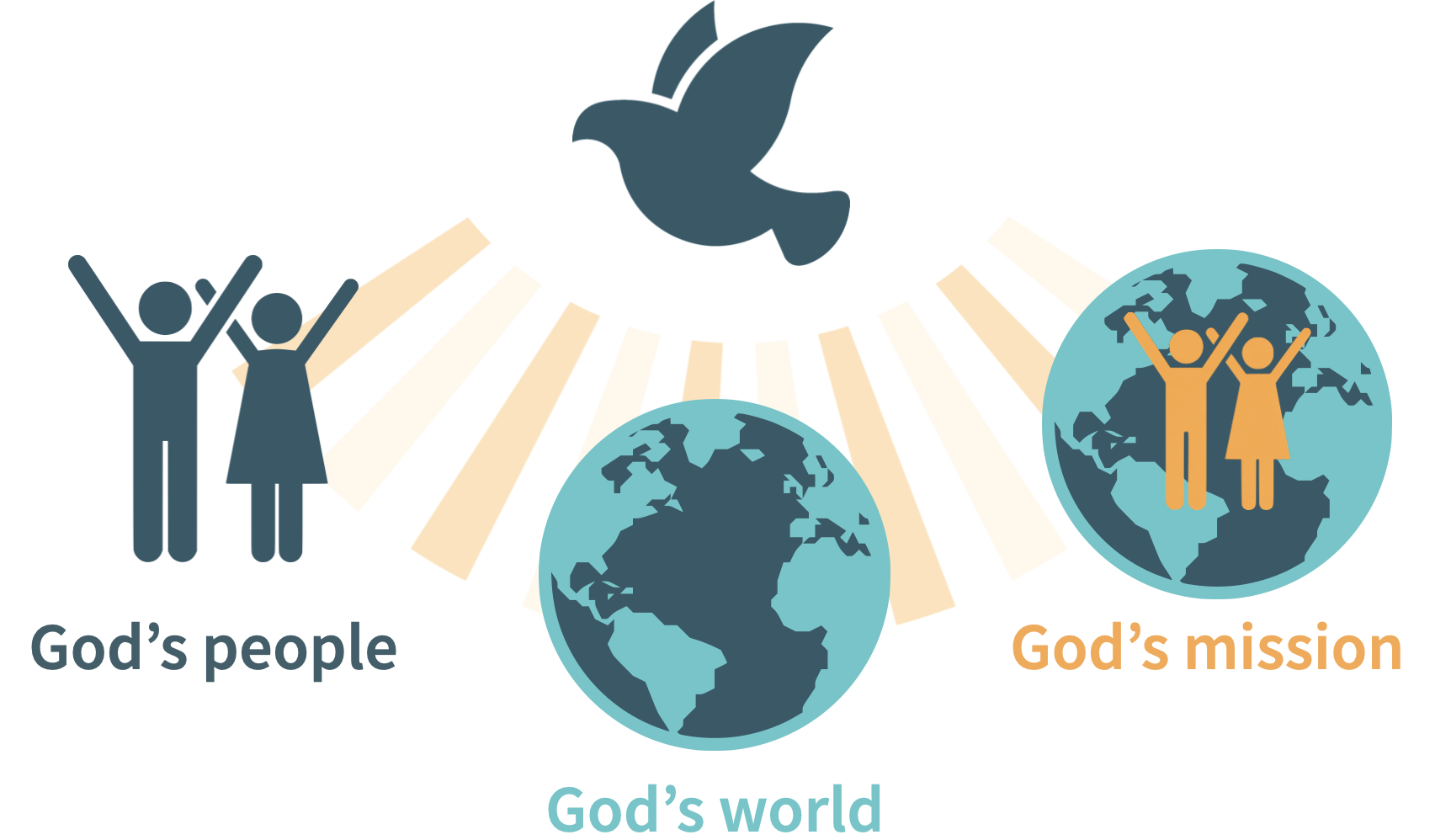
We will follow three great movements:
The Spirit’s magnificent acts fully restore God’s people.
The Spirit’s magnificent acts fully restore God’s world.
The Spirit’s magnificent acts fully restore God’s mission.
And because this lesson also concludes the course, we will end where we began—with the one practical question again:
What in the world is God doing—and how can I join him?

I. The Spirit's Magnificent Acts Fully Restore God's People
The first great movement in this final scene is the complete restoration of God’s redeemed people. What the Spirit has already begun in believers, he will bring to glorious completion when Christ returns.
Those who belong to Christ already have a new standing before God through Christ and a new heart by his Spirit.
Yet we still struggle with sin, suffer in a fallen world, live in mortal bodies subject to weakness and pain, and eventually die.
But it will not always be this way.
A. The Spirit's Restoration of our Bodies and Souls
Act Four, Scene Two begins with the personal, visible return of Jesus Christ. At his coming, the dead will be raised, and believers still living will be transformed (1 Thess. 4:16–17).[1]
Paul writes: “We shall not all sleep, but we shall all be changed, in a moment, in the twinkling of an eye, at the last trumpet. . . . The dead will be raised imperishable, and we shall be changed” (1 Cor. 15:51–52).
For believers who have died, their souls—already with Christ in heaven—will be reunited with their resurrected and glorified bodies. The same Spirit who gives us spiritual life now will then give life to our mortal bodies (Rom. 8:11).[2]
Patterned after Christ’s resurrection body, our same bodies will be raised imperishable, glorious, powerful, and completely free from corruption (1 Cor. 15:42–44).[3]
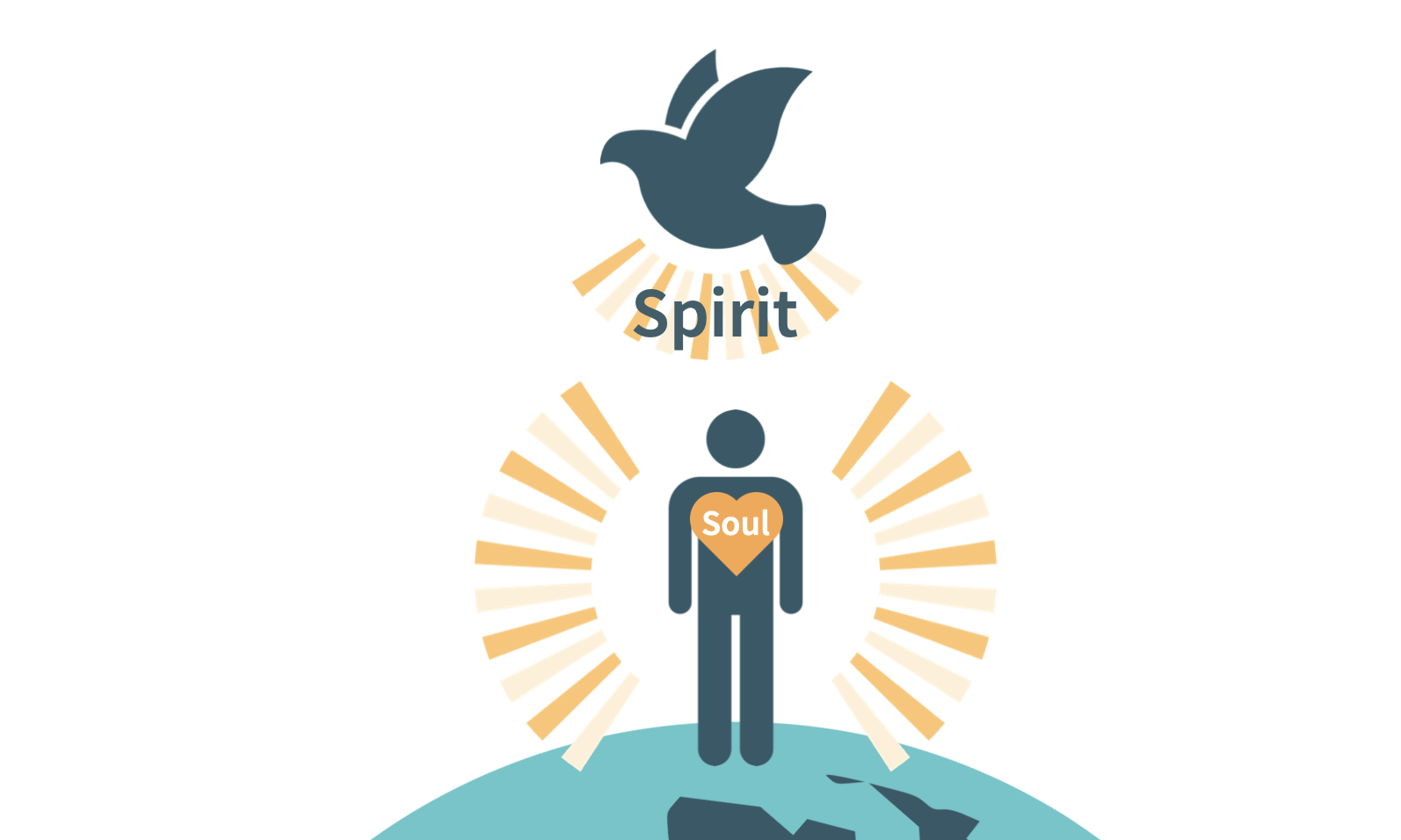
So the Christian’s ultimate hope is not to escape the body and remain forever as a disembodied soul in heaven. Our hope is resurrection—the full restoration of the whole person, body and soul, in the world to come.[4]
And the Spirit’s restoration will reach even deeper. Adam and Eve were created upright and able not to sin, yet still capable of sinning. But when the Spirit completes his work in us, we will be unable to sin. Every thought, desire, and action will be perfectly aligned with God’s will.[5]
Every thought, desire, and action will be perfectly aligned with God’s will.
What the Spirit has begun in you now, he will then bring to full and final completion.
B. The Spirit's Restoration of all our Relationships (Shalom)
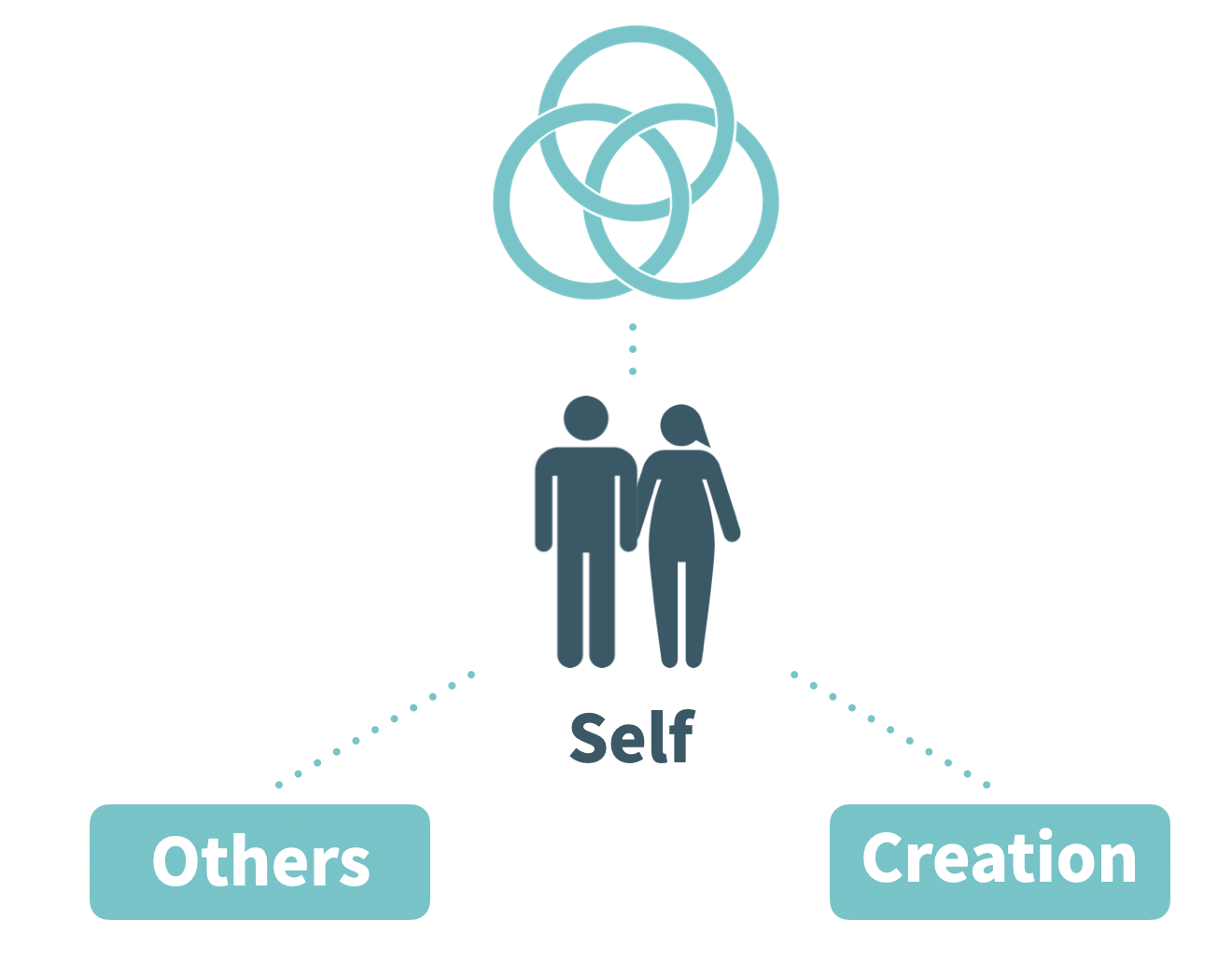
The Spirit’s final restoration will include not only our bodies and souls, but every relationship God designed for human flourishing—with God, ourselves, others, and creation.
Most importantly, our relationship with God will be fully restored. We will see him “face to face” (1 Cor. 13:12; Rev. 22:4), enjoying perfect, unbroken fellowship with the triune God.[6]
From that restored relationship will flow the healing of every other relationship. We will be whole within ourselves—free from shame, fear, guilt, and corruption—and fully restored to one another, without alienation, rivalry, loneliness, or death.[7]
Our relationship with creation will also be made whole as our vocation and mission in the world are fully restored to God's original creation mission.
This is biblical shalom—peace, wholeness, harmony, joy, and flourishing in every relationship God created us to enjoy.

II. The Spirit's Magnificent Acts Fully Restore God's World
The Spirit’s final restoration will not stop with God’s people. He will also fully restore God’s fallen world.
Humanity’s rebellion brought both humanity and creation under God’s just curse and Satan’s tyrannical rule. But through his life, death, resurrection, ascension, and reign, Christ decisively defeated sin, Satan, and death. At his return, that victory will become final and universal.
A. God Removes Everything That Corrupts His World
When Christ returns, he will come in glory as the conquering King and righteous Judge, and every remaining enemy will be removed.
The Bible reveals this general sequence:
Christ raises the dead—believers to “the resurrection of life” and unbelievers to “the resurrection of judgment” (John 5:28–29).[8]
He judges the living and the dead––both unbelievers and believers (Acts 17:31; Matt. 25:31–46; Rev. 20:11–15).[9]
Unbelievers are condemned and removed from his kingdom.[10]
Satan and every hostile power are finally judged and cast away forever (Rev. 20:10).[11]
Death itself, “the last enemy,” is destroyed (1 Cor. 15:24–26; Rev. 20:14).[12]
God’s curse is finally removed: “No longer will there be anything accursed” (Rev. 22:3).[13]
At last, every consequence of the Fall is gone: God’s curse is removed. Satan’s tyranny is ended. Death is destroyed. All our pain, suffering, grief, and struggles are over. The battle is over.

B. God renews everything he created in his world
When Christ returns, God will not only restore redeemed humanity. He will also restore the fallen creation itself, setting it free “from its bondage to corruption” (Rom. 8:21).[14]
Jesus calls the coming new creation the “new world” (Matt. 19:28), using the same word Paul uses for the Spirit’s regenerating work in believers (Titus 3:5). Peter similarly speaks of “the restoration of all things” (Acts 3:21).[15] Together, these texts portray the new creation not as God destroying his world, but regenerating, restoring, and renewing it.[16]
John writes: “Then I saw a new heaven and a new earth.... And I saw the holy city, new Jerusalem, coming down out of heaven from God.... And he who was seated on the throne said, ‘Behold, I am making all things new’” (Rev. 21:1–5)[17]
So our ultimate hope is:
not going back to Eden
or merely up to heaven where our soul has no body,
but going forward to Christ's return,
when heaven comes down to a renewed earth as our eternal home.
This new world will not be unrelated to the world we know now. Like our resurrection bodies, God’s present creation will be transformed and glorified—freed from every trace of corruption.[18]
And this restored world is the guaranteed inheritance of every believer. Paul writes that the Spirit is “the guarantee of our inheritance” (Eph. 1:13–14)—God’s pledge that what he has begun in you now, he will one day complete in you and in all his creation.
III. The Spirit's Magnificent Acts Fully Restore God's Mission
After the Spirit fully restores God’s people and God’s world, one question remains:
What will restored humanity do in God’s restored world?
The answer takes us back to Genesis 1–2. God’s original creation mission was never abandoned. What sin corrupted, Christ redeemed; and what Christ redeemed, the Spirit will finally restore to its intended fullness

A. Restored Humanity Reigns with Christ and Cultivates God’s New World
God’s original creation mission had two dimensions: humanity was to multiply and fill the earth with God’s image bearers and rule and cultivate his world so that his invisible kingdom would become visible and his name glorified (Gen. 1:26–28; 2:15).
The first dimension will reach its goal. Jesus teaches that in the resurrection there will be no marriage—and therefore no further procreation of image bearers (Matt. 22:30)—because God’s redeemed people will be complete. Revelation pictures that finished multitude “from every nation, from all tribes and peoples and languages” (Rev. 7:9).
But the second dimension of the creation mission will continue forever.
In the new world, God’s original creation mission will be fully restored: God ruling in and through us as we cultivate every sphere of influence he entrusts to us, making his invisible kingdom visible and bringing glory to his name.
This is why Revelation says Christ has redeemed a people to be “a kingdom and priests” who will reign with him (Rev. 5:9–10), and finally promises, “They will reign forever and ever” (Rev. 22:5).
This reign with Christ has already begun. Paul says that God has “raised us up with him and seated us with him in the heavenly places in Christ Jesus” (Eph. 2:6). Even now, united to the reigning Christ, we begin to fulfill God's restored mission through our work—and cultivating all the spheres of influence he entrusts to us so that his rule becomes increasingly visible through our lives.
That is why our work, calling, and vocation matter so deeply. Work was part of God’s good design before the Fall. Work itself was never the curse; the curse on work made it painful, frustrating, and futile (Gen. 3:17–19).
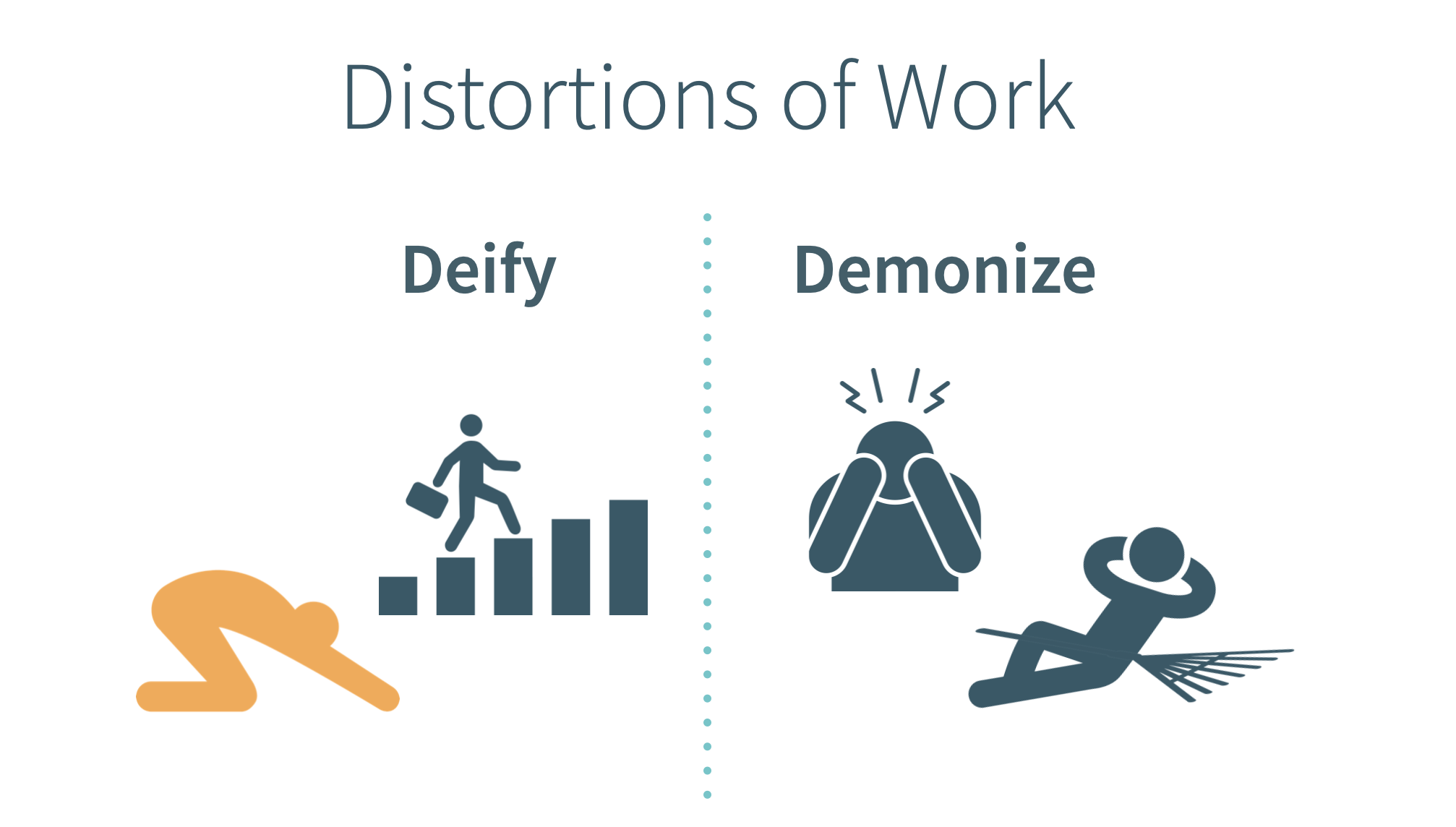
Because of the Fall, we often distort work in opposite ways. We either deify it, making it a source of identity and significance, or demonize it, treating it as a necessary evil. In the new earth, both distortions will be gone.
Our present occupations may change. There will be no disease for physicians to fight, no violence for police to restrain, no poverty or injustice for relief workers to overcome, and no lost sinners for pastors and missionaries to evangelize. But our God-given gifts and abilities will not become useless. They will be redirected toward joyful service in a world where nothing is broken.
Revelation even says that “the glory and the honor of the nations” will be brought into the New Jerusalem (Rev. 21:24–26), suggesting that the faithful cultural fruit of human work may be purified and gathered into God’s renewed world.[19]
So the calling we begin to recover now will reach its fullness then: reigning with Christ, cultivating his world, and glorifying God through every sphere of life.
The curse on our work will end. The mission of our work will not.
B. God’s Redemptive Mission Ends—His Creation Mission Does Not
This distinction brings the whole biblical story together.
Before the Fall, there was nothing to redeem. Humanity’s mission was to bear God’s image, cultivate his world, and make his gracious rule visible throughout the earth.
After the Fall, redemption became necessary because humanity and creation came under sin, death, God’s curse, and Satan’s tyranny. But redemption was never God’s abandonment of his creation mission.
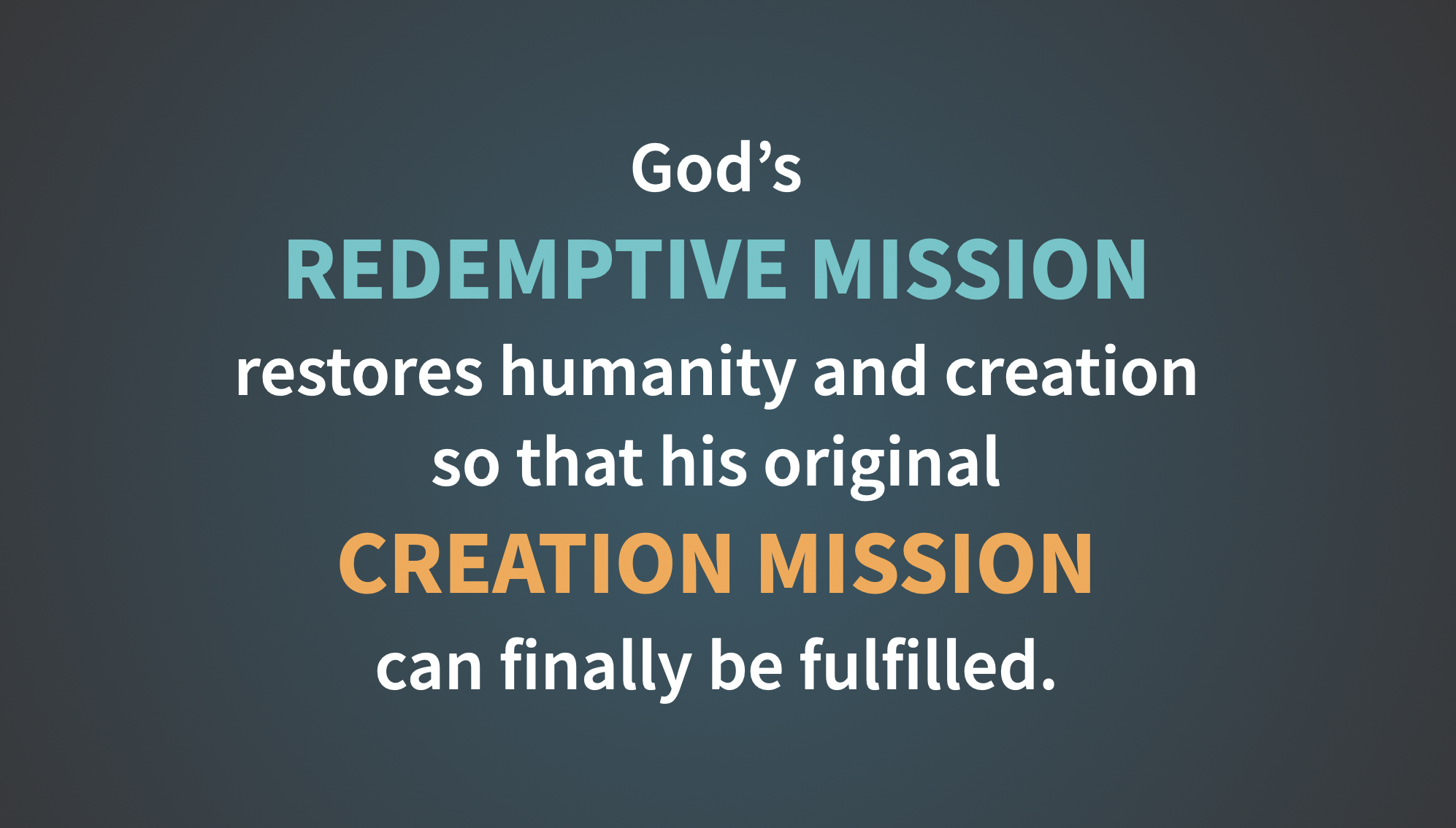
Redemption is God’s way of restoring humanity and creation so that his original creation mission can finally be fulfilled.
The Son accomplished that redemption. The Spirit now applies it and empowers the church to participate in God’s redemptive mission among the nations.
But when Christ returns, that redemptive mission reaches its appointed completion. There will be no lost sinners to evangelize, no unreached peoples to reach, no churches to plant, no curse to reverse, and no death to defeat.
God’s redemptive mission will have accomplished its purpose.
But the creation mission will continue forever. Restored humanity will continue to reign with Christ, cultivate God’s world, serve, worship, and glorify him throughout every sphere of the new creation.
God’s redemptive mission will end. His creation mission in and through your life will continue forever.
Conclusion
We began this course with one great question:
What in the world is God doing—and how can I join him?
And throughout these lessons, we have returned to one central conviction:
God delights to manifest his presence and pour out his power on those who will dare to align their purposes more fully with his purposes for the world.
We have now seen where God’s mission is going. One day, restored humanity will reign with Christ forever, cultivating God’s renewed world so that his invisible kingdom is perfectly visible and his name is glorified throughout every sphere of life.
But that calling does not begin then.
It begins now.
Already united to the reigning Christ and seated with him in the heavenly places, we are called to begin living today as the people we will one day fully become.
Richard Lovelace gives us a compelling picture of this restored calling. United to Christ by the Spirit, we share in his continuing mission as his prophets, priests, and kings:
As prophets, we proclaim and uphold God’s truth in a world filled with lies.
As priests, we pray and intercede for others to experience God’s mercy and blessing.
As kings, we use everything God has entrusted to us to make his invisible kingdom more visible—not only in human hearts, but throughout every sphere of life until they increasingly reflect the order of heaven.
That is the creation mission Christ is restoring us to fulfill.
So do not settle for a smaller story centered on comfort, success, security, recognition, or personal fulfillment. Jesus calls us into an upside-down kingdom where we find our lives by losing them for him and the gospel.
Make God’s redemptive mission central to your life—helping others be redeemed and restored.
And make God’s creation mission the mission of your whole life—your family, work, relationships, resources, gifts, and every sphere of influence he entrusts to you.
Then begin each day with Jesus’ prayer:
“Hallowed be your name, your kingdom come, your will be done, on earth as it is in heaven.”
And ask:
“Father, how can you rule in and through me today so that your invisible kingdom becomes more visible and your name is glorified in every sphere of life you entrust to me?”
FOOTNOTES
[1]Jesus describes the same coming hour when “all who are in the tombs will hear his voice and come out” (John 5:28–29).
[2] What will happen to believers who are still alive at Jesus’ return? Paul tells us, “Then we who are alive, who are left, will be caught up together with them in the clouds to meet the Lord in the air, and so we will always be with the Lord” (1 Thess. 4:17). Paul writes, “But we do not want you to be uninformed, brothers, about those who are asleep, (have died) that you may not grieve as others do who have no hope” (1 Thess. 4:13). Paul does not want his readers to lose hope about their future with the Lord, simply because other believers have died. Some Thessalonians seem to have believed that Christians would not die before Jesus returned. Paul is reassuring them that those who have died in Christ will be raised from the dead and united with all believers who are living when Jesus returns. It’s a mistake to interpret this passage as giving us any more specific details about this event and what follows. Paul is not teaching that Jesus will miraculously scoop up all his followers to snatch (rapture) them out of this corrupt world before his final judgment on all who are “left behind.” When he writes, “and so we will always be with the Lord,” he’s not teaching that all the believers who are caught up with the Lord and each other “in the clouds” will be staying up in the clouds forever. Instead, Revelation 21:1–3 shows us the opposite, that heaven (holy city, new Jerusalem) will come down to earth in all its fullness.
[3] These resurrection bodies will not be new in origin but new in quality––our same bodies, transformed and glorified, freed from every trace of corruption. On the significance of καινός (kainos, new in kind or quality) rather than νέος (neos, new in time or origin) in Paul's resurrection and new-creation language, see especially 2 Corinthians 5:17 (“if anyone is in Christ, he is a καινὴ κτίσις,” a new creation) and John's parallel use of καινός for the “new heaven and new earth” (Rev. 21:1, 5). See Anthony A. Hoekema, The Bible and the Future (Eerdmans, 1994), 280–86, and Moisés Silva, ed., New International Dictionary of New Testament Theology and Exegesis, rev. ed. (Zondervan, 2014), s.v. “καινός.” On Paul's use of the Greek words kainos versus neos in the New Testament's resurrection and new-creation language as denoting renewal in quality rather than origin, see N. T. Wright, Surprised by Hope (HarperOne, 2008).
[4] The terms that Paul uses in 1Thessalonians 4 for Jesus' "coming" (parousia, Παρουσίαν in verse 15) and our “meeting” (ἀπάντησιν in verse 17), reflect the political rhetoric of the Roman Empire used to describe military or political dignitaries making official visits. Paul’s words imply that believers will meet the Lord "in the air,” not as an act of departing from fallen creation, but as a majestic act of welcoming their victorious, conquering Lord and King back to the world he created. Paul’s emphasis is on the majestic, final union when Christ’s purified bride is fully united to the groom forever. Apparently, when that final union first takes place, it will not be on the surface of the earth, but above it “in the clouds.”
[5] On the believer's final, unopposed inability to sin as the completion of progressive sanctification, see Anthony A. Hoekema, Saved by Grace (Eerdmans, 1989).
[6] John also writes that there will be no temple in the city, “for its temple is the Lord God the Almighty and the Lamb” (Rev. 21:22). We will enjoy perfect, unbroken fellowship with God forever.
[7] On the “communion of saints” as encompassing both the church living on earth and the church already with Christ, reunited at the resurrection, see Herman Bavinck, Reformed Dogmatics, vol. 4, Holy Spirit, Church, and New Creation (Baker Academic, 2008).
[8] The Scriptures present a general resurrection of believers and unbelievers as occurring together (Dan. 12:2, John 5:25–29, Acts 24:14–15, Rev. 20:11–15). Some Christian traditions, e.g. Historic and Dispensational Premillennialists, believe that the resurrection of unbelievers will take place one thousand years (millennium) after the believers' resurrection. On the two resurrections—of life and of judgment—as distinct outcomes of the one final resurrection event, see Anthony A. Hoekema, The Bible and the Future (Eerdmans, 1994). While the Bible describes much detail about the resurrection body of believers, there is nothing said about the resurrection body of unbelievers. In 1 Corinthians 15, Paul says nothing about the resurrection of unbelievers, he is only speaking of the resurrection of believers. So we can only speculate about what the bodies of unbelievers will look like for all eternity and the nature of the “place” of the unbelievers before they’re judged and cast into hell forever.
[9] Paul writes, “For we must all appear before the judgment seat of Christ, so that each one may receive what is due for what he has done in the body, whether good or evil” (2 Cor. 5:10; see Hebrews 10:30; James 3:1; I Peter. 4:17). The Bible teaches that everything a believer has done, including thoughts, words, and deeds, will be taken into account on the Judgment Day (Matt. 25:35–40, 1 Cor. 3:8, Eph. 6:8, 1 Pet. 1:17, Rev. 20:12; 22:12). Paul describes the believer’s judgment with this imagery: “Now if anyone builds on the foundation (Christ) with gold, silver, precious stones, wood, hay, straw—each one's work will become manifest, for the Day will disclose it, because it will be revealed by fire, and the fire will test what sort of work each one has done. If the work that anyone has built on the foundation survives, he will receive a reward. If anyone's work is burned up, he will suffer loss, though he himself will be saved, but only as through fire” (1 Cor. 3:12–15). The loss referred to here is not a loss of salvation but the loss of eternal rewards. Leon Morris writes, “Here and now the man who gives himself wholeheartedly to the service of Christ knows more of the joy of the Lord than the half-hearted. We have no warrant from the New Testament for thinking that it will be otherwise in heaven.” Biblical Doctrine of Judgment (Wipf and Stock, 1960), p. 67. Although believers must all appear before Christ on the Day of Judgment, they should not fear because God promises them that “there is no condemnation for those who are in Christ Jesus” (Rom. 8:1). John writes, “By this is love perfected with us, so that we may have confidence for the day of judgment” (1 John 4:17). See how Answer 52 of the Heidelberg Catechism reflects this: “In all my distress and persecution I turn my eyes to the heavens and confidently await as judge the very One who has already stood trial in my place before God and so has removed the whole curse from me. All his enemies and mine he will condemn to everlasting punishment: but me and all his chosen ones he will take along with him into the joy and the glory of heaven.”
[10] To those who have rejected him, Christ will say, “Depart from me, you cursed, into the eternal fire prepared for the devil and his angels” (Matt. 25:41). Revelation describes this final judgment as being cast into “the lake of fire” (Rev. 20:15). In the parable of the weeds, Jesus taught that “The field is the world, and the good seed is the sons of the kingdom. The weeds are the sons of the evil one, and the enemy who sowed them is the devil. The harvest is the end of the age, and the reapers are angels” (Matt. 13:39). On that day, Jesus promises he will send his angels to separate the wheat (the righteous) from the weeds (the wicked). In this parable, Jesus teaches that “the enemy (Satan) came and sowed weeds (the wicked) among the wheat (his Church)” (Matt. 13:25). Then Jesus says, “Let both grow together until the harvest (the end of the age), and at harvest time I will tell the reapers, ‘Gather the weeds first and bind them in bundles to be burned, but gather the wheat into my barn’” (Matt. 13:30). Prior to the final judgment day, there will be many professing Christians within the church who are not true believers. But when Jesus returns, his visible Church (the wheat) will finally be purged of all unbelievers (the weeds).
[11] The one Jesus called “the ruler of this world” is finally condemned, and Satan will be cast into the lake of fire, never again to deceive, accuse, or tyrannize God’s people or world (1 Cor. 6:3, John 12:31; Rev. 20:10). The promise of Genesis 3:15 will be fulfilled in its ultimate sense: the serpent will be finally crushed beneath the victory of God’s promised Redeemer. On Genesis 3:15 as the protoevangelium whose ultimate fulfillment is Satan's final defeat and destruction, see O. Palmer Robertson, The Christ of the Covenants (Presbyterian and Reformed, 1980). Humans will not be the only ones judged on that final day. Satan and his fallen angels (demons) must also appear before Christ’s final judgment seat (1 Cor. 6:2–3, 2 Pet. 2:4, Jude 6). Glorified believers will also participate in the judgment of Christ on the world and the angels (Matt. 19:28). Paul writes to the Corinthians, “Do you not know that the saints will judge the world” (1 Cor. 6:2)?
[12] John writes, “Then Death and Hades were thrown into the lake of fire … and if anyone's name was not found written in the book of life, he was thrown into the lake of fire” (Rev. 20:11–15). Similar to how believers will receive degrees of eternal rewards (1 Cor. 3:12–15), Jesus seems to indicate that unbelievers will receive degrees of eternal punishment (Luke 12:47–48). On the final judgment of Satan and his angels as preceding the removal of the curse from creation, and on 1 Corinthians 15:24–26's destruction of every hostile power culminating in death's own destruction, see G. K. Beale, A New Testament Biblical Theology (Baker Academic, 2011).
[13] Death, mourning, crying, pain, corruption, and every remaining effect of the Fall will be gone from God's world forever (Rev. 21:4)
[14] On Romans 8:19–23 and creation's future liberation as bound to humanity's own redemption, see Douglas J. Moo, The Epistle to the Romans, New International Commentary on the New Testament (Eerdmans, 1996).
[15] The Greek word in Peter's sermon in Acts 3:21 is ἀποκατάστασις (apokatastasis), meaning “restoration” or “reestablishment”—the restoration of something to its proper condition.
[16] This renewal of the world will include the complete purging and cleansing of all forms of evil and corruption. Jesus says at the end of the age his angels will remove from his kingdom not only “all law-breakers” but also “all causes of sin”––all stumbling blocks (Matt. 13:41). Peter describes the coming day of the Lord as a time when “the heavens will pass away with a roar, and the heavenly bodies will be burned up and dissolved, and the earth and the works that are done on it will be exposed” (2 Pet. 3:10). The Greek word εὑρεθήσεται (heurethēsetai), translated “exposed,” is used in the earliest Greek manuscripts and can be translated “found, revealed, and discovered,” possibly conveying the exposure and revelation of the righteous and unrighteous works that have been done on the earth. Peter is teaching that God’s final judgment of the whole earth with fire, will be like God’s earlier judgment of the whole earth with water during the times of Noah (2 Pet. 3:5–7). During the flood, the earth was not completely annihilated but purged of all its wickedness. So, when Peter writes that “we are waiting for new heavens and a new earth in which righteousness dwells” (2 Pet. 3:13), he’s not referring to a totally new earth that is completely different than the present one. Instead, he’s referring to a gloriously renewed and restored earth that remains in continuity with the present one—but is completely without any form of corruption. In the same way that God will make us recreated bodies from our dust, God will also make a new, recreated world after being “burned up” and “dissolved”. The world will be a new creation, but not a totally new creation. We’ll still recognize the earth and the world as we know it, but it will be fully redeemed, restored, and glorified to flourish according to God’s design – just like our new bodies.
[17] Heaven and earth will no longer be separated with God “up in heaven,” where his will is done perfectly, and man “down on earth” where God’s revealed will is not done perfectly. When Jesus returns, the “first heaven and the first earth will pass away.” In 1 Peter 3:5-13, the Apostle Peter describes the “passing away” of the “old world” and its transformation into the “new world.” When Jesus returns, heaven will come “back down” to earth like it was in creation before the Fall, when God’s presence was with his people (Immanuel) on earth. But it will be far better than Eden.
[18] The Greek word John and Peter use to designate the “newness” of the new earth is not νέος (neos), meaning new in time or origin, bu καινὸς (kainos) meaning new in nature or in quality. Similarly, when Paul says in Romans 8:20-21 that creation waits with eager longing to be set free from its bondage, he’s referring to how the present corrupt creation will be delivered from all its corruption when Christ returns to make all things new – not become a totally different creation.
[19] Theologian Anthony Hoekema writes, “One could also say that whatever people have done on this earth which glorified God will be remembered in the life to come (see Rev. 14:13). But more must be said. Is it too much to say that, according to these verses, the unique contributions of each nation to the life of the present earth will enrich the life of the new earth? Shall we then perhaps inherit the best products of culture and art which this earth has produced?” The Bible and the Future (Eerdmans, 1994), p. 286. Abraham Kuyper suggests that whatever has been accomplished by the nations of the earth that brings glory and honor to God in this world, will somehow be retained and glorified by God in the world to come. And all these great accomplishments will be the result of the faithful work of both famous kings and unknown servants. Kuyper writes: “If an endless field of human knowledge and of human ability is now being formed by all that takes place in order to make the visible world and material nature subject to us, and if we know that this dominion of ours over nature will be complete in eternity, we may conclude that the knowledge and dominion we have gained over nature here can and will be of continued significance, even in the kingdom of glory.” De Gemeene Gratie (Hoveker & Wormser, 1902) I, 482-83 (see also 454-94)..
The Magnificent Acts of The Spirit in Restoration, Scene One
Introduction
Where are we now in God’s unfolding story?
In Act One, the Father created humanity and the world through his Son and by his Spirit, good but not complete. He intended their completion to unfold through humanity’s faithful fulfillment of his creation mission: to multiply and fill the earth as his image bearers, representing his gracious rule by making his invisible kingdom visible in every sphere of life, until all things flourish according to his design and his glory fills the earth.[1]
In Act Two, Satan and humanity corrupted that mission, bringing both under God’s curse.[2]
In Act Three, the Son accomplished God’s redemption through his incarnation, sinless life, sacrificial death, resurrection, ascension, and reign. He secured the deliverance of a people from every tribe, tongue, and nation from God’s just curse and Satan’s tyrannical rule.[3]
So, what in the world is God doing now and how can we join him?
Now we come to the final act, Act Four—the Spirit’s magnificent acts in restoration.
This final act unfolds in two scenes.
Scene One, the focus of this lesson, is the Already: the period from Pentecost to Christ’s return when the Father, through his ascended Son and by the power of his Holy Spirit, is carrying out his redemptive mission through his church to begin restoring his redeemed humanity and the world to his original creation mission.
Scene Two, the focus of our final lesson, is the Not Yet: when Christ returns, God will fully restore his redeemed humanity and creation to his original mission. On the new earth, humanity will reign with the Son, cultivating and subduing his world by the Spirit’s power so that all things flourish according to his design, without opposition, forever.
The major points in this lesson include how:
the Spirit’s magnificent acts empower the church for mission.
the Spirit’s magnificent acts advance the church in mission.
the Spirit’s magnificent acts are unfolding today.
the Spirit’s magnificent acts are meant to reshape your story.
To understand the Spirit’s magnificent work that began at Pentecost, we must first understand the mission that Jesus had already given his disciples at the end of Act Three.
I. The Spirit’s Magnificent Acts Empower the Church for Mission.
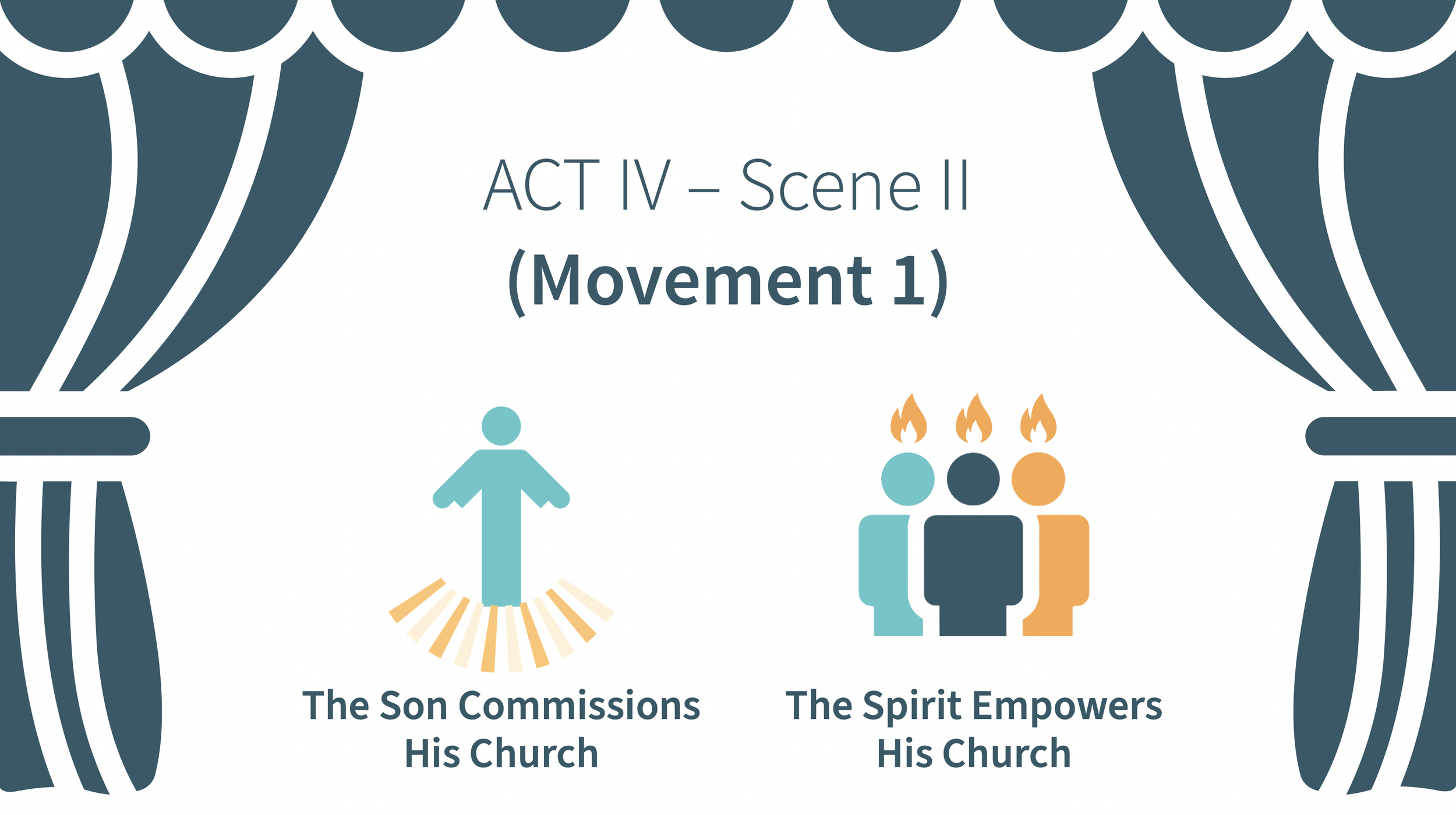
A. The Son Commissions His Church
Before his ascension, the risen Christ gave his disciples the Great Commission. Its clearest and fullest expression is found in Matthew 28:18–20.[4]
But notice where Jesus begins: “All authority in heaven and on earth has been given to me.”[5] Why begin there?
Because he wants his disciples—then and now—to know where their confidence must rest.
Jesus does not send his church on its own authority, strength, or resources. He sends us under the authority of the risen King, who rules over heaven and earth.
Then Jesus gives his church its central redemptive assignment: “make disciples of all nations.”
How does the church do that? Jesus gives three inseparable directions.[6]
First, “Go.” Move outward, proclaiming the gospel and calling people everywhere to repentance and faith in Christ.
Second, “Baptize them in the name of the Father and of the Son and of the Holy Spirit.” Those who believe are publicly identified with the triune God and incorporated into his visible church.
Third, “Teach them to observe all that I have commanded you.”
Notice: Jesus does not merely say, “Teach them what I commanded.” He says, “Teach them to observe”—to obey—his commands.
The goal is not merely converts who know Christian doctrine, but disciples who increasingly learn to follow Christ in every area of life. God intends this disciple-making to unfold within local churches, where his people are taught, shepherded, encouraged, and formed into Christ’s likeness.
Then Jesus anchors the commission in a final promise: “And behold, I am with you always, to the end of the age.”
The mission begins with Christ’s authority and ends with Christ’s presence. When he sends you, he never sends you alone.
B. The Spirit Empowers His Church
But before the disciples could begin, Jesus gave them a surprising command: Wait for the promise of the Father.
He told them to remain in Jerusalem until they were “clothed with power from on high” (Luke 24:49).
Then, just before his ascension, he promised, “You will receive power when the Holy Spirit has come upon you, and you will be my witnesses” (Acts 1:8).
Then came Pentecost.
At Pentecost, the Father and the Son poured out the promised Spirit, inaugurating the new-covenant age of restoration in which we now live.[7]
The disciples who had been commanded to wait were now empowered to go. The Spirit enabled them to proclaim Christ’s accomplished redemption of humanity and the world, beginning in Jerusalem and carrying that good news to the ends of the earth.[8]
But the church is not carrying out an independent mission for an absent Christ.
The risen and ascended Christ is now continuing his own mission from heaven through his people by the power of his Spirit.
Paul understood this. Looking back on all his missionary work, he wrote, “I will not venture to speak of anything except what Christ has accomplished through me” (Rom. 15:18).
That is the secret of Christian mission. Christ accomplishes his work through dependent people by the power of his Spirit.
II. The Spirit’s Magnificent Acts Advance the Church in Mission
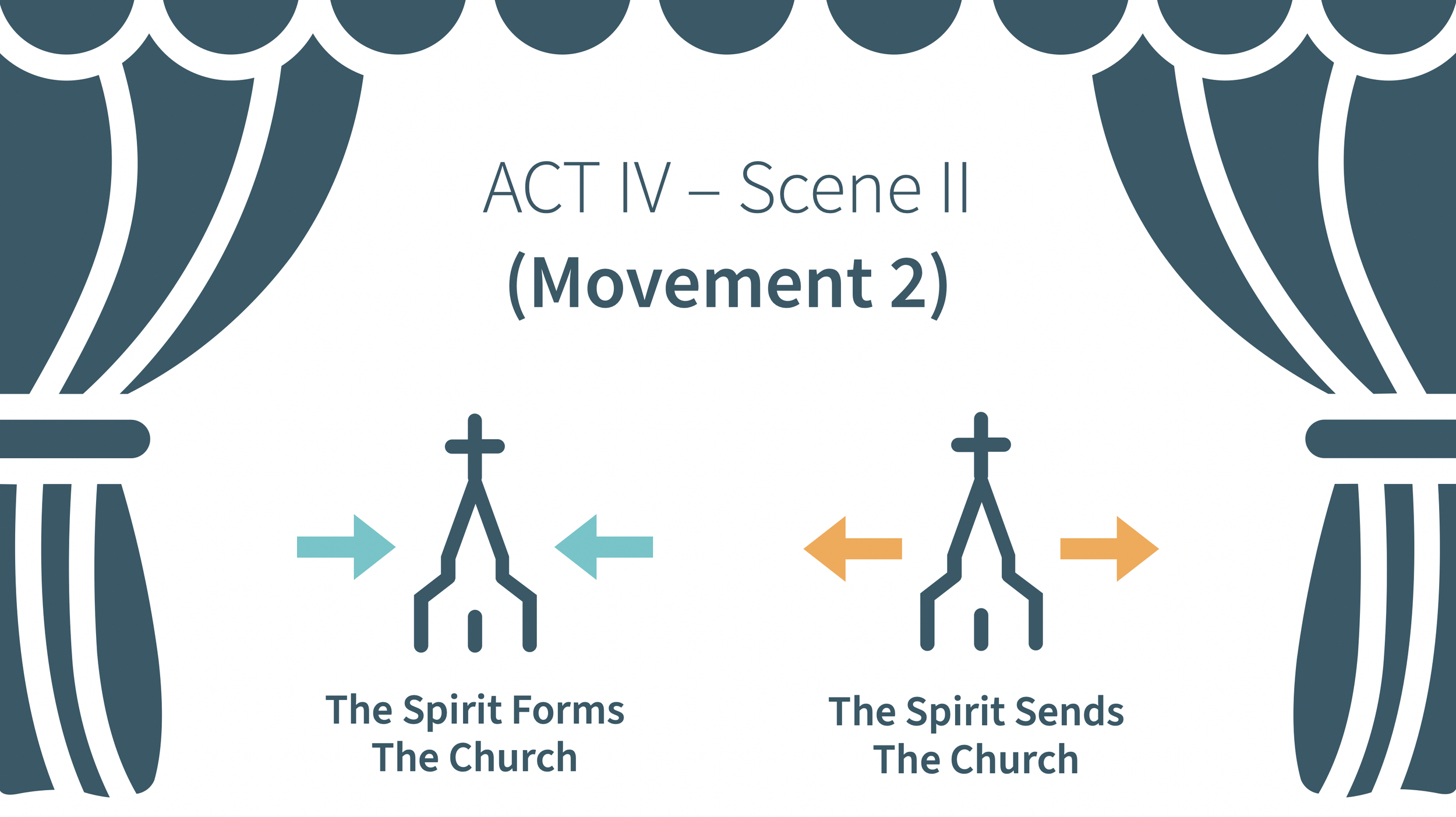
A. The Spirit Forms God’s New Humanity: The Church
What magnificent acts of the Spirit took place at Pentecost?
Jews from many nations had gathered in Jerusalem for the feast. Suddenly, a sound like a mighty rushing wind filled the house. Tongues as of fire appeared, and the disciples began speaking in other languages. The crowd was astonished to hear the mighty works ("Magnificent Acts") of God proclaimed in their own tongues (Acts 2:1–11).
But what was the Spirit doing through these extraordinary signs?
He was applying Christ’s accomplished redemption and beginning to reverse the curse of the Fall.[9]
Peter announced two inseparable gifts of the gospel: “the forgiveness of your sins” and “the gift of the Holy Spirit” (Acts 2:38).[10]
Humanity’s innocent standing had become condemned. Through Christ, the Spirit now gives believers forgiveness and a new standing before God. Humanity’s pure heart had become corrupt. The Spirit now gives them new hearts, new desires, and new life.
The first step toward making a new world is making new people by restoring their broken relationship with God.
But the Spirit does not restore isolated individuals. He gathers them into God’s new collective humanity—called the church.
As Acts unfolds, the gospel moves from Jerusalem to Samaritans and Gentiles, gathering people from the nations into one body under one Lord. The Spirit forms a community of worship, reconciliation, love, and obedience—a foretaste of the kingdom still to come.
First, the Spirit forms the church—then he sends the church.
B. The Spirit Sends God's New Humanity: The Church
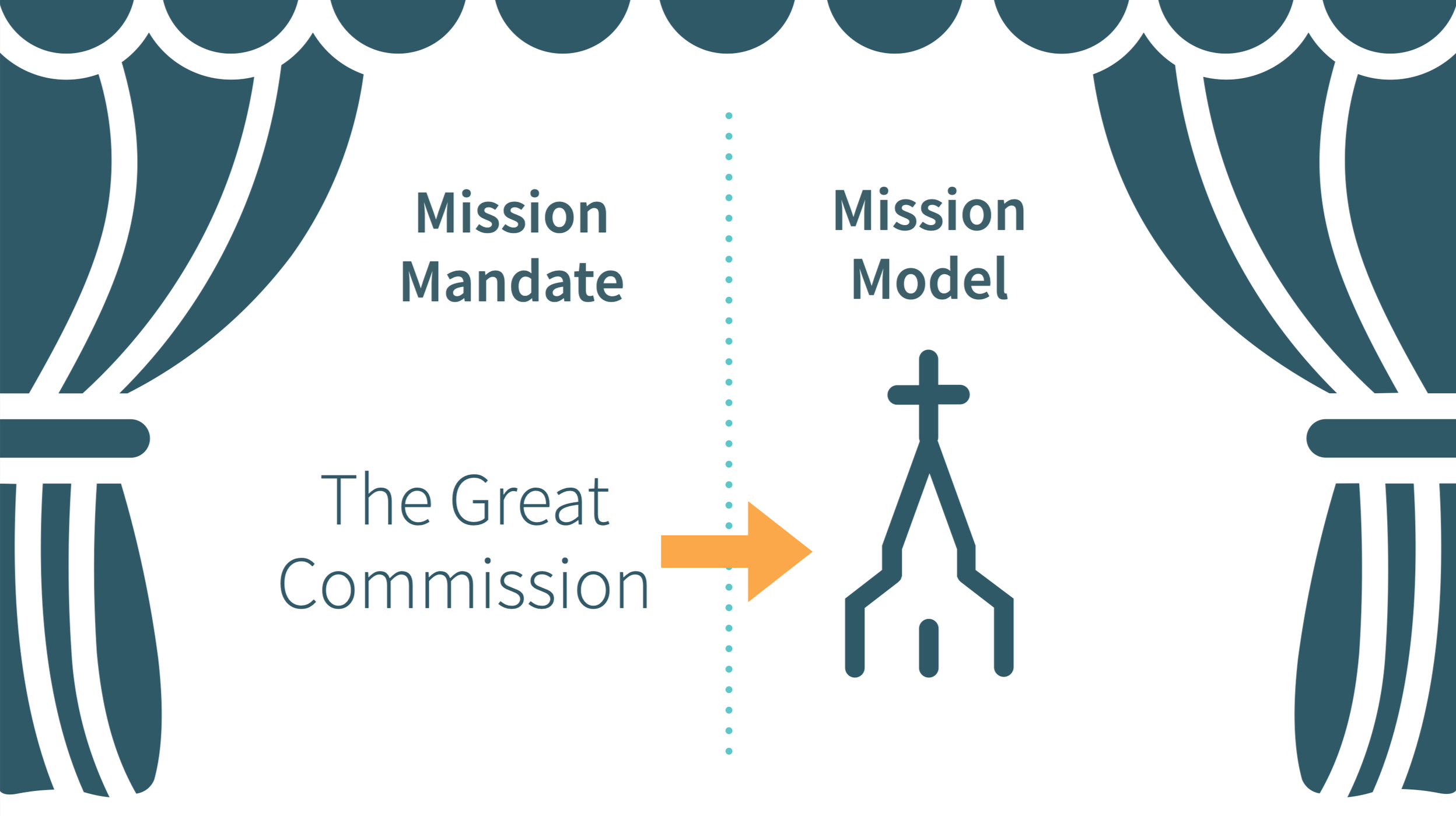
Jesus’ Great Commission gives us God’s mandate for missions: make disciples of all nations.
The magnificent acts of the Holy Spirit in Acts show us God’s model for carrying out that mandate: through his church.
Acts is not merely a record of early church history. It shows how the ascended Christ continues building his church among the nations by his Spirit.
In Acts 1, Jesus promises, “You will receive power when the Holy Spirit has come upon you, and you will be my witnesses” from Jerusalem “to the end of the earth.” And that is exactly what happens.
The gospel moves from Jerusalem and Judea, into Samaria, and then toward the Gentile world. By Acts 11, a visible, multiethnic church emerges in Antioch, where believers are gathered, taught, and formed as disciples.[11]
Then, in Acts 13, that planted church becomes a sending church.
As the church worships and fasts, the Holy Spirit sets apart Paul and Barnabas. The church lays hands on them and sends them out to plant more churches.
Christian mission, then, does not ordinarily advance through isolated individuals. Missionaries are commissioned by Christ, empowered by his Spirit, and sent through his church.[12]
By Acts 14, the pattern is clear:
The gospel is preached.
Disciples are made.
Churches are planted.
Elders are appointed.
And the mission continues.
Paul makes his missionary strategy especially clear in Romans 15. His ambition was to preach the gospel “not where Christ has already been named” (Rom. 15:20).
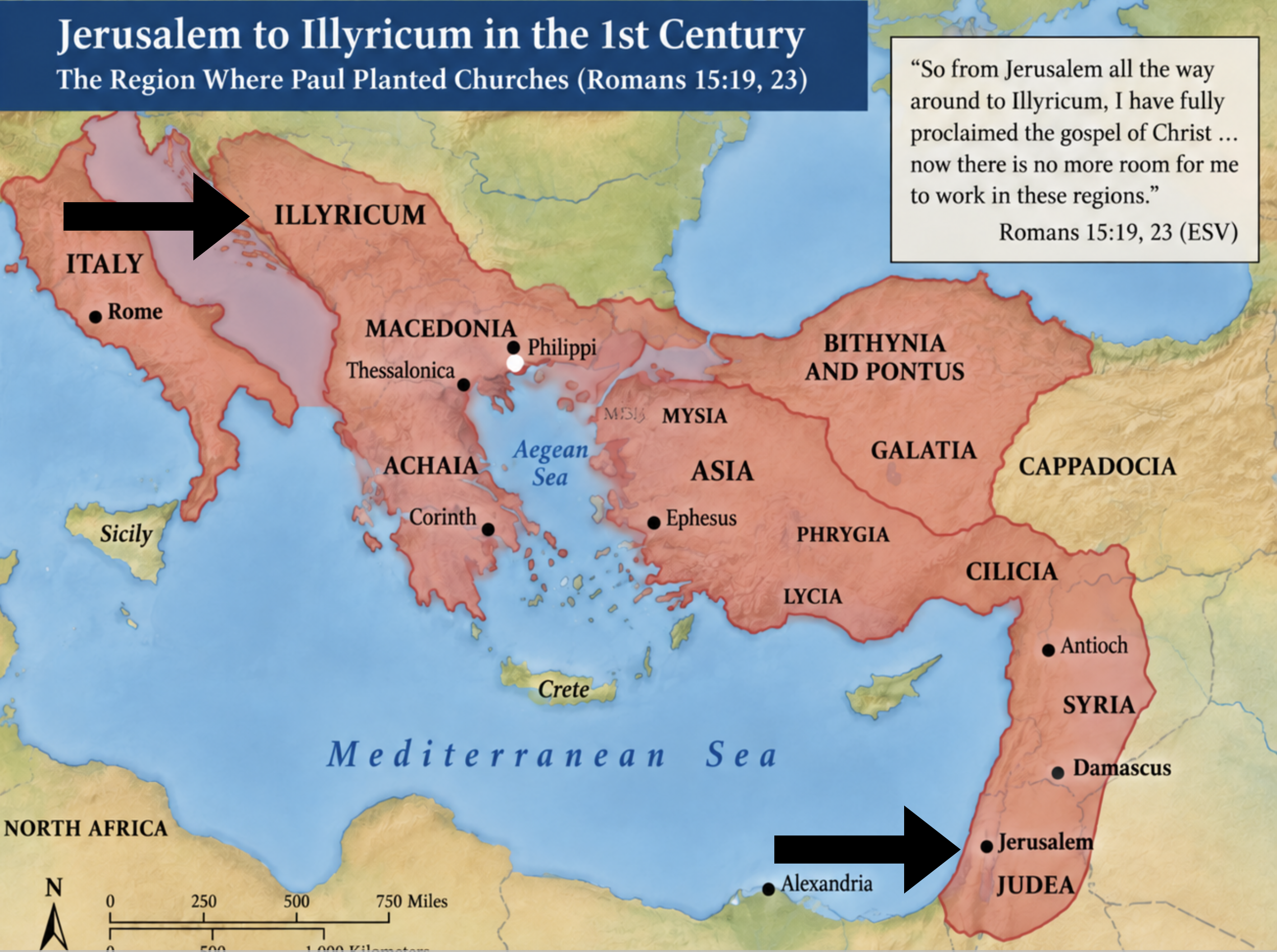
Remarkably, he could say that from Jerusalem to Illyricum--basically the entire Mediterranean world where he had planted churches--there was “no more room” for his missionary work—not because everyone had been evangelized, but because churches had been planted throughout all those regions that could continue the work.
So Paul pressed on toward Spain, where Christ was not yet known. His passion was not merely to win converts, but to plant healthy churches that could keep proclaiming the gospel, making disciples, and planting more churches long after he was gone.[13]
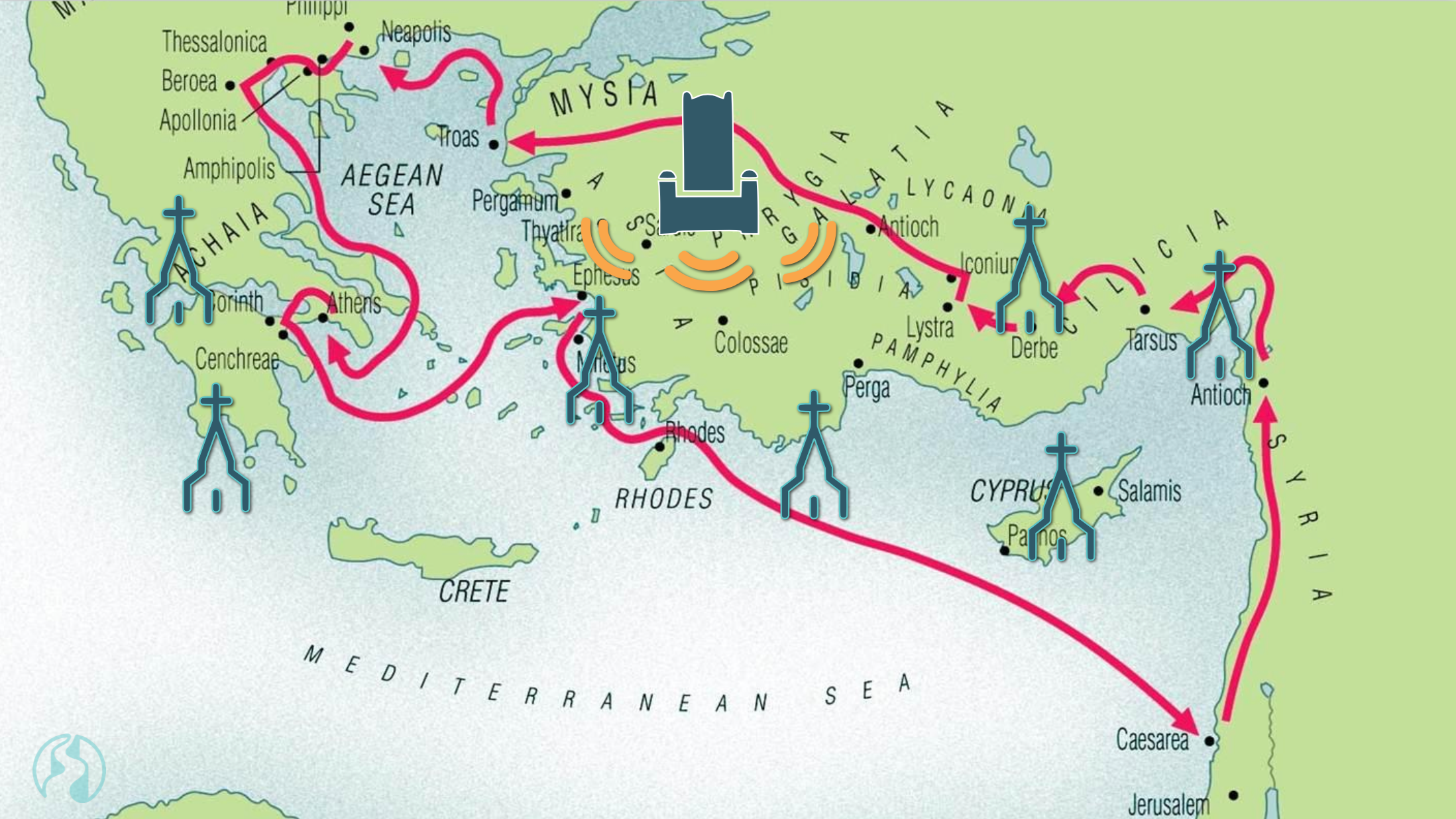
God's model for carrying out his mission mandate became clear: It was through planting, growing, and multiplying healthy churches that transform lives and communities.
III. The Spirit's Magnificent Acts of Restoration Today—Already
So what in the world is God doing now?
In Act Three, we saw the Father send his Son into the world to redeem his fallen people and restore his broken creation.
Then the Father and the Son sent the Holy Spirit to apply Christ’s redemption, give his people new life, and form them into God’s new humanity—the church.
Now the sending movement reaches its climax.
The Father sent his Son.
The Father and the Son sent the Spirit.
And now the Father, through his Son and by his Spirit sends his church into the world.
Jesus said and still says: “As the Father has sent me, even so I am sending you” (John 20:21).
So I send you.
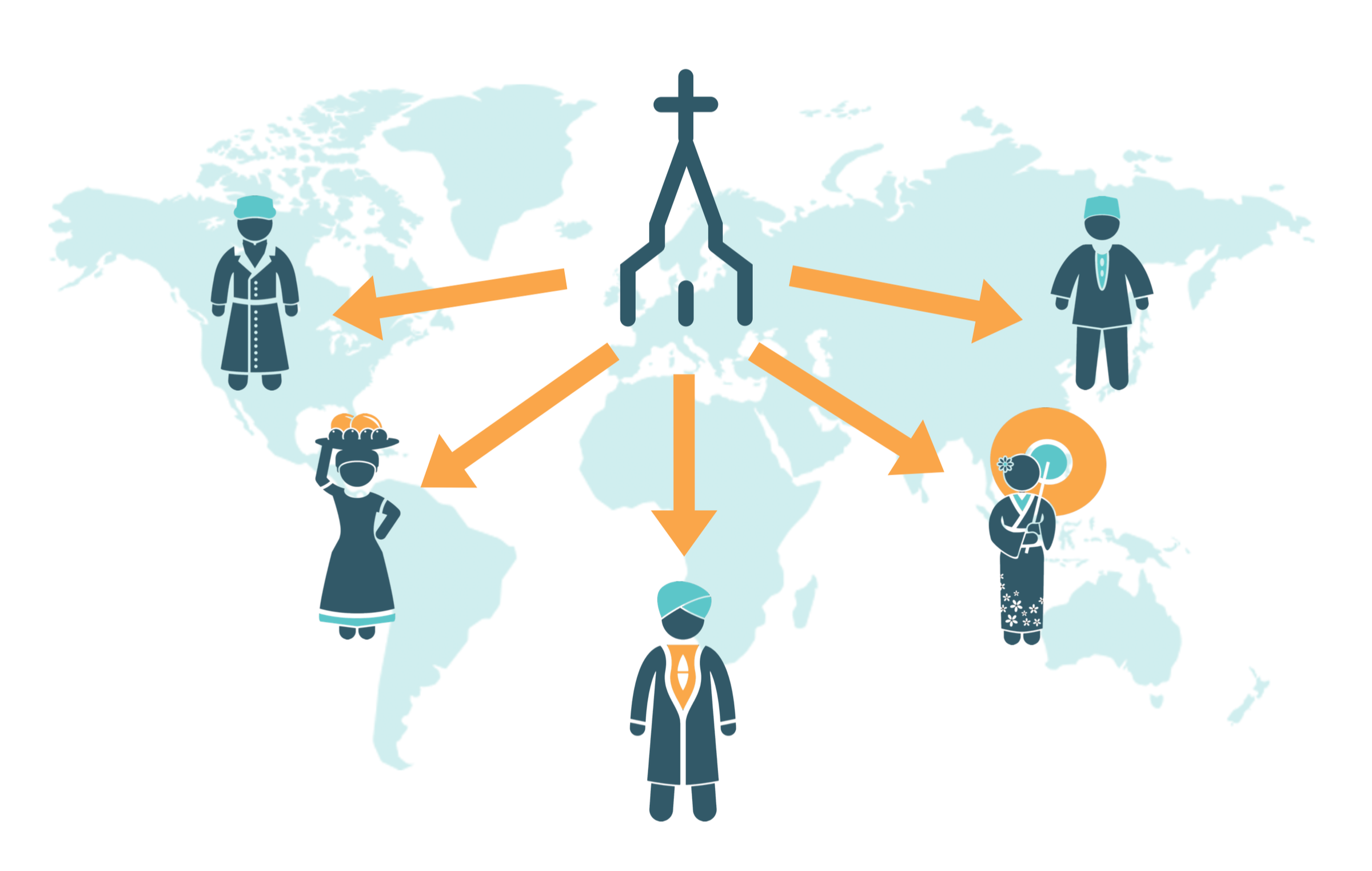
That is what God is doing now: sending his church into the world to fulfill his redemptive mission to make disciples of all nations.
God’s redemptive mission does more than rescue people from the effects of the Fall. Through his Son and by his Spirit, the Father restores us to his creation mission—the calling for which we were created—to live in communion with him, under his gracious rule, as his image bearers, as his instruments making his invisible kingdom visible in every sphere of life for his glory.
Richard Lovelace gives us a helpful way to understand this restored calling. United to Christ by the Spirit, we share in his continuing mission today as his prophets, priests, and kings:
As prophets, we proclaim and uphold God’s truth in a world filled with lies.
As priests, we pray and intercede for others to experience God’s mercy and blessing.
As kings, we use all our resources to help make God’s invisible kingdom more visible, not only in human hearts, but in every sphere of our lives until they reflect the order of heaven. [14]
The Great Commission therefore does more than make converts. It makes disciples whose whole lives are increasingly restored to God’s original creation mission under his triune Lordship.
What in the world is God doing? He is fulfilling his redemptive mission by restoring his people to his original creation mission...and he is calling you to join him.
IV. How the Spirit's Magnificent Acts Reshape Your Story
So how do we join him? In one sense, we already know the answer.
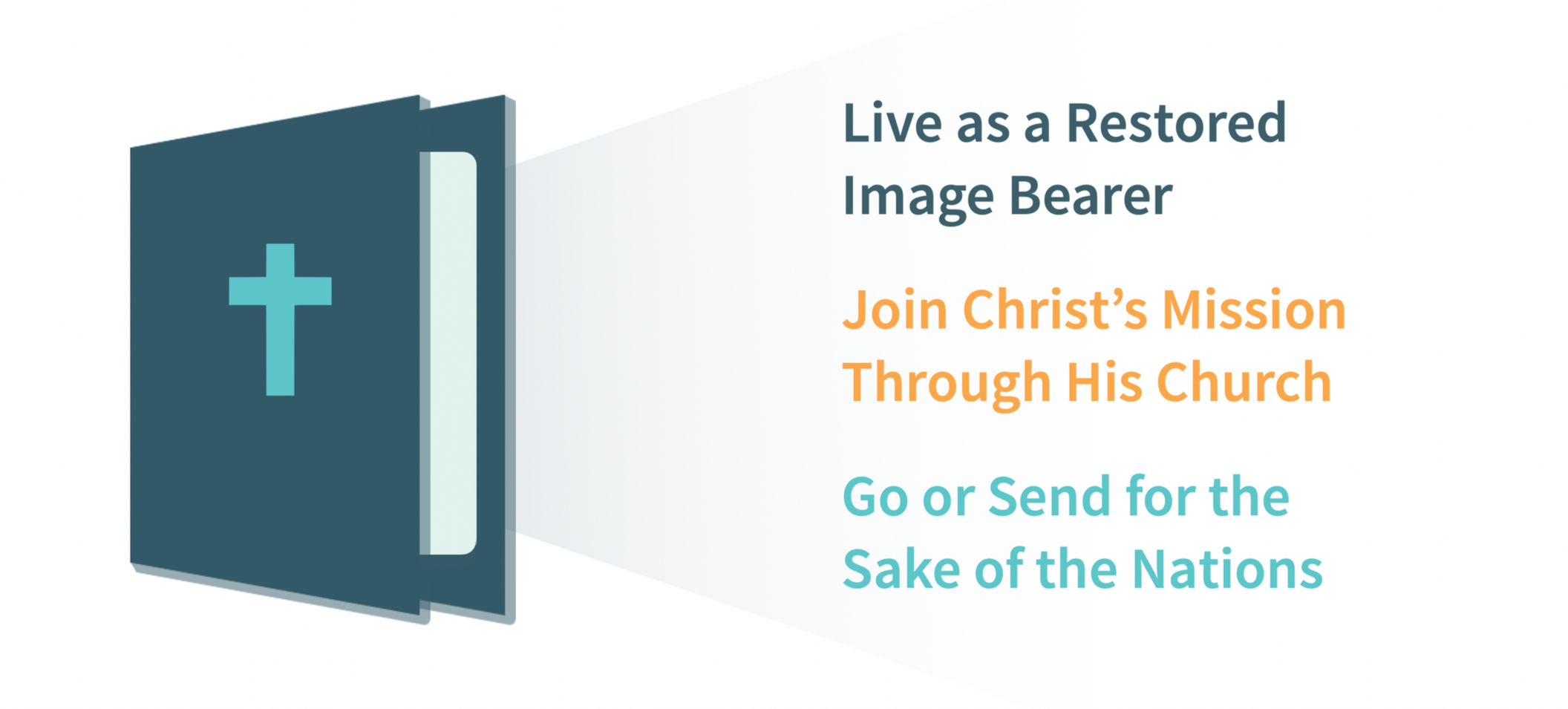
A. Live as Restored Image Bearers
Bring our whole lives increasingly under Christ’s lordship—as prophets, priests, and kings—in our relationships, work, neighborhoods, churches, and every sphere of influence.
B. Join Christ’s Mission Through His Church
Participate in the worship, prayer, evangelism, discipleship, mercy, leadership development, church planting, and sending ministry of our local church.
C. Go or Send for the Sake of the Nations
Dare to ask whether Christ is calling us to cross cultures ourselves or to become more radical senders through prayer, generosity, hospitality, encouragement, and sacrifice.
Conclusion
But perhaps the deeper question is not, “How do I join him?”
The deeper question is, “Why do I so often fail to align my story—my time, talents, and treasures—with his?”
One reason is that our hearts are captured by lesser loves: comfort, possessions, approval, pleasure, reputation, or control.
Here is a truth, often emphasized by Jonathan Edwards and more currently popularized by John Piper, that has deeply shaped my understanding of missions:
You cannot commend what you do not cherish.
You will not commend what you do not cherish.
When you discover a wonderful restaurant, read a great book, or welcome a new grandchild, you naturally want to tell someone.
We commend what we cherish.
So if we are not more radically aligning our lives and resources to commend Christ across the street or around the world, perhaps the first question is not, “How can I try harder?”
It is, “What has captured my heart more than Christ?”
The answer is not guilt-driven missionary activity. We do not serve to earn God’s acceptance. We serve from the acceptance Christ has already secured for us.
The answer is repentance and faith—turning from our idols and drawing nearer to Christ for pardon and power until our hearts increasingly cherish him above our lesser loves in this world.
And as our love for Christ deepens, our lives and resources will increasingly align with his mission—not merely because we ought to, but because we increasingly want to.
FOOTNOTES
[1] Richard J. Middleton, The Liberating Image: The Imago Dei in Genesis 1 (Grand Rapids: Brazos Press, 2005), 27–90, on the creation mandate and humanity's vice-regent commissioning; cf. Gen. 1:26–28.
[2] Derek Kidner, Genesis: An Introduction and Commentary, Tyndale Old Testament Commentaries (Downers Grove, IL: InterVarsity Press, 1967), 71–76, on the scope of the curse; cf. Gen. 3:1–19.
[3] John Frame, Systematic Theology: An Introduction to Christian Belief (Phillipsburg, NJ: P&R Publishing, 2013), 875–900, on the work of Christ in his incarnation, life, death, resurrection, ascension, and reign.
[4] The risen Christ gives the Great Commission in several complementary forms. In Matthew 28:16–20, its clearest and fullest expression, Jesus grounds the mission in his universal authority and commands his followers to “make disciples of all nations” by going, baptizing, and teaching them to obey all he commanded. Luke 24:46–49 emphasizes the proclamation of repentance and forgiveness to all nations and Christ’s command to wait until the disciples are “clothed with power from on high.” John 20:21–23 connects their sending with Jesus’ own mission from the Father and with the gift of the Holy Spirit. Acts 1:8 again joins worldwide witness with the promised power of the Spirit, extending from Jerusalem to “the end of the earth.” Taken together, these passages show that the church’s mission is not merely to make converts, but to make disciples of all nations as the risen Christ continues his mission through his people by the power of his Spirit. Mark 16:15–18 contains a similar commission, but because the longer ending of Mark is textually disputed, Matthew 28, Luke 24, John 20, and Acts 1 provide the strongest primary basis for this formulation.
[5] Matthew 28:18; Luke 24:49; Acts 1:4–8; 2:1–4, 32–36; Philippians 2:8–11; Ephesians 1:20–23. Christ’s declaration that all authority has been given to him does not imply that the eternal Son previously lacked divine sovereignty. Rather, following his humiliation and accomplished redemption, the incarnate Son—the God-man—has now been exalted and invested with the full exercise of his mediatorial kingship. As the last Adam and representative of redeemed humanity, he now reigns at the Father’s right hand, gathering and protecting his church and bringing his enemies into subjection. See Bavinck, Reformed Dogmatics, vol. 3, Sin and Salvation in Christ, ed. John Bolt, trans. John Vriend (Baker Academic, 2006), chap. 7, “The Work of Christ in His Exaltation.” Jesus' phrase echoes Daniel's vision of the Son of Man receiving “dominion and glory and a kingdom” from the Ancient of Days (Dan. 7:14). On the echo of Daniel 7:13–14 in Matthew 28:18, see R. T. France, The Gospel of Matthew, New International Commentary on the New Testament (Eerdmans, 2007).
[6] On the threefold structure of the commission—going, baptizing, teaching—as participial clauses subordinate to the main command “make disciples,” see D. A. Carson, “Matthew,” in The Expositor's Bible Commentary, rev. ed., vol. 9 (Zondervan, 2010).
[7] Luke 24:49; Acts 1:4–8; 2:1–4, 32–33. Pentecost marks the promised outpouring of the Holy Spirit by the exalted Christ and the inauguration of the new-covenant age. This does not mean that the Spirit was inactive before Pentecost, but that his work now takes a new redemptive-historical form in applying Christ’s accomplished redemption and empowering the church for its worldwide mission. See also Joel 2:28–32; John 7:37–39; 14:16–17; 16:7–15. See Richard B. Gaffin Jr., “Pentecost: Before and After,” Kerux 10, no. 2 (September 1995): 3–24, especially his discussion of Acts 2:32–33 and the resurrection–ascension–Pentecost complex. See also Joel 2:28–32; John 7:37–39; 14:16–17; 16:7–15.
[8] See John Murray, Redemption Accomplished and Applied (Eerdmans, 1955), 32–46, on Christ's decisive victory over sin, death, and Satan; cf. Col. 2:15; Heb. 2:14–15.
[9] Acts 2:38–47; 8:14–17; 10:44–48; 15:8–9; Romans 5:12–19; 8:1–4; 1 Corinthians 12:13; 2 Corinthians 5:17–21; Ephesians 2:11–22; Titus 3:4–7. The Spirit applies Christ’s accomplished redemption, giving believers a new standing before God and renewing their hearts and lives. This renewal is personal but not merely individual: the Spirit incorporates believers into Christ’s body, forming one new humanity from Jews and Gentiles. See John Murray, Redemption Accomplished and Applied (Eerdmans, 1955), chap. 9, “Union with Christ”; Herman Bavinck, Reformed Dogmatics, vol. 4, Holy Spirit, Church, and New Creation, ed. John Bolt, trans. John Vriend (Baker Academic, 2008), especially the sections on the application of salvation and the church.
[10] Acts 2:38–39 joins two central blessings of the new covenant: the forgiveness of sins and the gift of the Holy Spirit. Jeremiah 31:31–34 anticipates a covenant in which God will forgive iniquity and remember sin no more, while Ezekiel 36:25–27 promises cleansing, a new heart, and the indwelling Spirit. Together these texts show that the salvation announced at Pentecost includes both a new standing before God and new life through the Spirit. The clean heart and gift of the Spirit in Ezekiel 36 are presented as inseparable dimensions of God’s promised restoration. Jesus draws on this new covenant imagery in John 3:3–8 when he teaches that entrance into the kingdom requires being “born of water and the Spirit.” Paul likewise describes salvation as “the washing of regeneration and renewal of the Holy Spirit” poured out through Jesus Christ (Titus 3:5–6). On regeneration as the Spirit's application of a new heart and new life in fulfillment of Ezekiel 36:26–27 and Jeremiah 31:33, see G. K. Beale, A New Testament Biblical Theology (Baker Academic, 2011).
[11] On Antioch as the first visible, intentionally multiethnic sending church in Acts, see I. Howard Marshall, Acts, Tyndale New Testament Commentaries (Eerdmans, 1980).
[12] On Acts 13–14 establishing the apostolic pattern of proclamation, discipleship, and church formation, see John R. W. Stott, The Message of Acts, The Bible Speaks Today (InterVarsity Press, 1990).
[13] On Paul's missionary strategy as oriented toward planting healthy, reproducing churches, see Eckhard J. Schnabel, Paul the Missionary: Realities, Strategies, and Methods (InterVarsity Press, 2008).
[14] Richard F. Lovelace, Renewal as a Way of Life: A Guidebook for Spiritual Growth (InterVarsity Press, 1985). See especially his discussion of Christ as Prophet, Priest, and King and the believer’s participation in Christ’s ongoing kingdom mission. The formulation here is a summary of Lovelace’s categories rather than a direct quotation.
The Magnificent Acts of The Son in Redemption
Introduction
Act One began with Adam standing before God as humanity’s representative. God created him good and gave humanity a creation mission: to fill the earth with his image bearers, cultivate his good world, and extend his rule, blessing, and glory throughout creation.
But Act Two ended very differently.
Adam rebelled. His sin was not merely eating forbidden fruit; it was rejecting God’s word, will, and mission for his life in the world. As humanity’s representative, his disobedience alienated humanity from God—changing our standing from innocent to guilty, our hearts from pure to corrupt, and leaving us in a broken world under Satan’s tyrannical rule.
God’s creation mission was not erased, but fallen humanity could no longer fulfill it as God intended. We needed a new representative—a new Adam who would succeed where the first Adam failed.
And that is where God’s covenant of grace begins to unfold. Even as God pronounced judgment in Genesis 3, he promised that the offspring of the woman would one day crush the serpent’s head (Gen. 3:15).
From that point forward, the biblical story moves toward the promised Redeemer who would undo Adam’s ruin and restore God’s people, world, and mission.
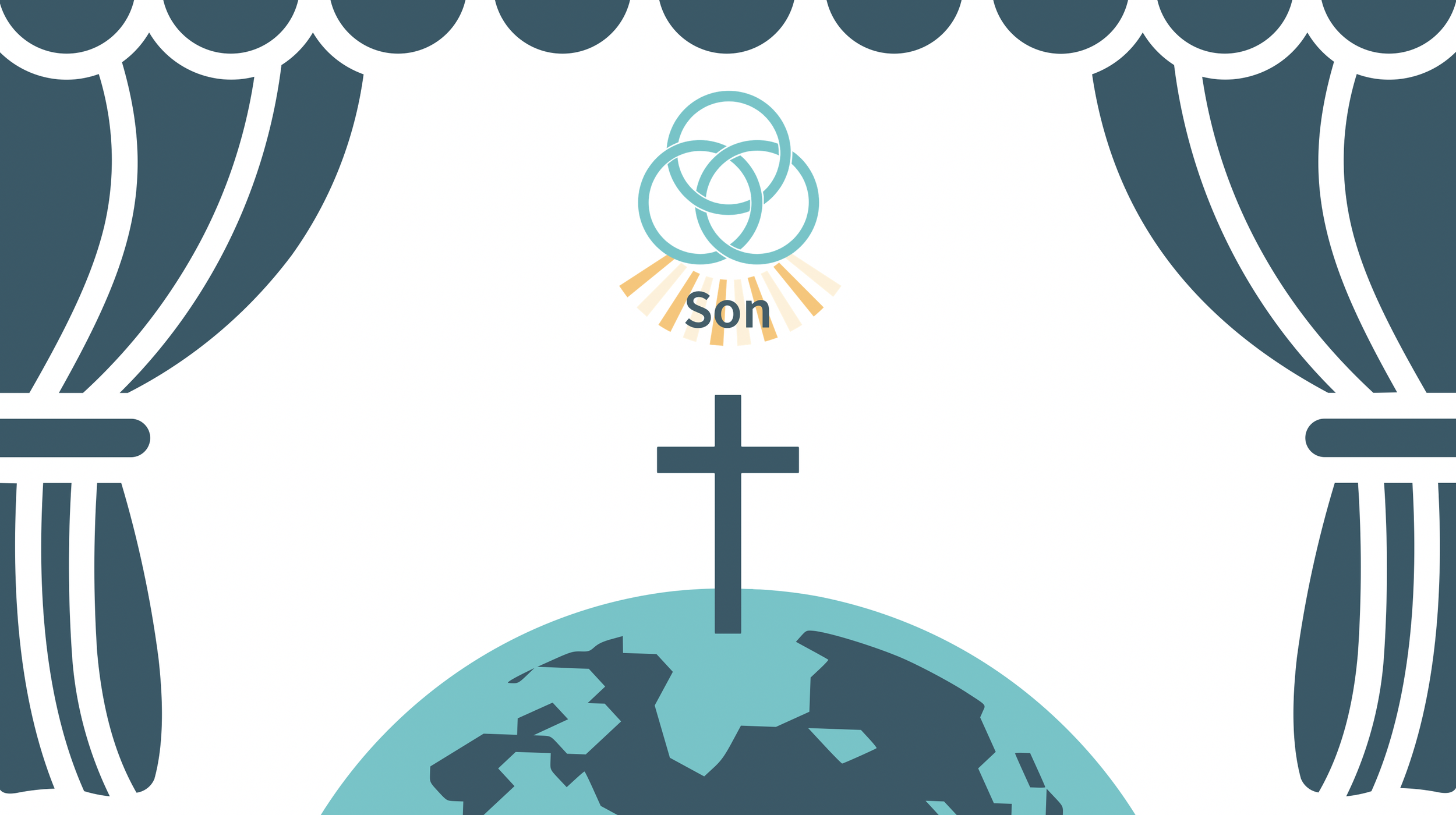
That brings us to Act Three—the Son’s magnificent acts in redemption. Here we see the promised Redeemer first rescuing Israel in the Old Testament and then bringing his saving work to its climax in Jesus Christ, rescuing from captivity and curse a people from all nations.
So our first scene begins with the Redeemer at work through Israel, preparing the way for the One who would succeed where both Adam and Israel failed.
I. Scene One: The Son Redeems Fallen Humanity
A. Movement One: Old Testament — The Son Redeems Israel
The Son’s work as Redeemer did not begin at Bethlehem.
From Genesis 3:15 onward, God progressively revealed his promised Redeemer through covenants, sacrifices, priests, prophets, kings, and acts of deliverance.[1]
Through Noah, God preserved humanity and the world. Through Abraham, he promised a land and an offspring through whom “all the families of the earth” would be blessed (Gen. 12:3).
Through Moses, he redeemed Israel from slavery and formed them as his covenant people. Through David, he promised a royal Son whose kingdom would endure forever.
These acts of redemption were real, but they also pointed beyond themselves: the exodus to a greater liberation, Israel’s sacrifices to a greater sacrifice, her priests to a greater Priest, her prophets to a greater Prophet, and her kings to a greater King.
The eternal Son was already at work in Israel’s story. Through Moses, God brought Israel out of Egypt, and in the wilderness Moses struck the rock at Horeb so the people could live (Ex. 17:1–7). Paul later writes that Israel “drank from the spiritual Rock that followed them, and the Rock was Christ” (1 Cor. 10:4).
Jude makes the connection even more explicit, identifying Jesus as the one who “saved a people out of the land of Egypt” (Jude 5).[2]
So the Son who would later take on flesh in Bethlehem was already the divine Redeemer—delivering, sustaining, and preparing his people for the greater salvation to come.
Yet Israel, like Adam, repeatedly failed to live faithfully under God’s rule. God’s people still needed a faithful Israelite—a new Adam and true King—who would succeed where both Adam and Israel had failed.
B. Movement Two: New Testament — The Son Redeems All Nations
Then, “when the fullness of time had come,” God sent forth his Son (Gal. 4:4).
The eternal Son entered the story he had been directing.
His magnificent acts as Redeemer include not merely his death, but his entire saving mission: his incarnation and birth, his perfect life, his sacrificial death, his resurrection, and his ascension.[3]
In his birth, the eternal Son became truly human.
In his life, Jesus obeyed where Adam and Israel had failed, resisted Satan, proclaimed God’s kingdom, and displayed signs of the coming restoration.
In his death, he bore the guilt and judgment our rebellion deserved.
In his resurrection, he conquered death and emerged as the beginning of a new humanity.
In his ascension, the Father exalted him to his right hand, where he now reigns over all things.
The cross stands at the center of Jesus’ magnificent acts as Redeemer, but it does not stand alone. The gospel announces not merely something Jesus did, but who Jesus is because of what he did.
He is Savior—the only Redeemer God has given to rescue cursed humanity and creation.
And he is Lord—the risen King before whom every person and power must ultimately bow.
What began through Israel now opens outward toward every tribe, language, people, and nation.
The risen Christ is not one savior among many. He is the Redeemer King to whom every nation belongs.
C. The Good News of Jesus’ Redemption
Lesson Three showed us the problem: humanity stands guilty before a holy God. We do not merely need improvement. We need a new standing.
That is why Christ’s substitutionary death is at the heart of redemption.
God is perfectly loving and perfectly just. He cannot simply overlook evil. Yet in astonishing love, God himself provides the sacrifice his justice requires. Paul says that God put Christ forward as a “propitiation by his blood” so that he might remain “just and the justifier of the one who has faith in Jesus” (Rom. 3:25–26).[4]
Propitiation means that God’s just wrath against our sin is not ignored but satisfied. At the cross, that judgment falls on Christ in our place. God’s just wrath is turned away from us because it is poured out on Jesus for us—so that God can look on us without anger, and we can look on God without fear.
Christ therefore does more than make salvation possible; he actually accomplishes it. He truly suffers for us. “The LORD has laid on him the iniquity of us all” (Isa. 53:6). The Good Shepherd “lays down his life for the sheep” (John 10:11).[5]
But humanity is not the only captive Christ came to rescue.
II. Scene Two: The Son Redeems the Fallen World
Genesis 3:15 promised not only the rescue of fallen humanity, but the defeat of the serpent.
Jesus came to fulfill that promise.
Throughout his ministry, the conflict with Satan is unmistakable. In the wilderness, Jesus stands where both Adam and Israel had stood before him. Adam was tested and failed. Israel was tested and failed. But Jesus, the last Adam and faithful Israelite, is tested by Satan and remains perfectly obedient to his Father. Where Adam and Israel failed, Jesus succeeds.
He then publicly displays Satan’s defeat through signs and wonders—casting out demons, liberating the oppressed, healing the broken, and giving visible glimpses of what God’s future kingdom will one day look like on earth.
Then comes the cross.
To everyone watching, the crucifixion appears to be the triumph of darkness. The promised King is humiliated, tortured, and killed.
But what appears to be Satan’s greatest victory becomes his decisive defeat.
Paul writes that Christ “disarmed the rulers and authorities” and triumphed over them through the cross (Col. 2:15). John adds, “The reason the Son of God appeared was to destroy the works of the devil” (1 John 3:8).[6]
C. S. Lewis gives us a memorable picture in The Lion, the Witch and the Wardrobe. Edmund’s betrayal places him under the White Witch’s claim, and Aslan gives himself in Edmund’s place. The Witch thinks his death means victory.
But the very sacrifice she thinks secures her victory becomes the means of her defeat.[7] Aslan rises, her power is broken, and Edmund is not only released from condemnation but restored to his family and given a new future in a whole new world.
This is why the gospel is not merely personal; it is cosmic. Paul says that through Christ God purposes “to reconcile to himself all things, whether on earth or in heaven” (Col. 1:20).
The promised offspring has come. The serpent has been struck. Resurrection life has entered the world.
But Satan still attacks. People still die. Creation still groans.
How can Christ have won if the battle is still raging?
III. The Redemption Mission Accomplished,
But Not Yet Complete
Here we need an important distinction.
The Son fully accomplished redemption, but redemption accomplished is not the same as God’s entire mission completed.
Jesus could pray, “I glorified you on earth, having accomplished the work that you gave me to do” (John 17:4). From the cross he declared, “It is finished” (John 19:30).
Nothing needs to be added to Christ’s finished work.
Yet everything he accomplished has not yet been fully applied or brought to completion.
We can summarize the tension this way:
Satan is defeated, but not destroyed.
Death is conquered, but not yet removed.
The new creation has begun, but has not yet filled the earth.
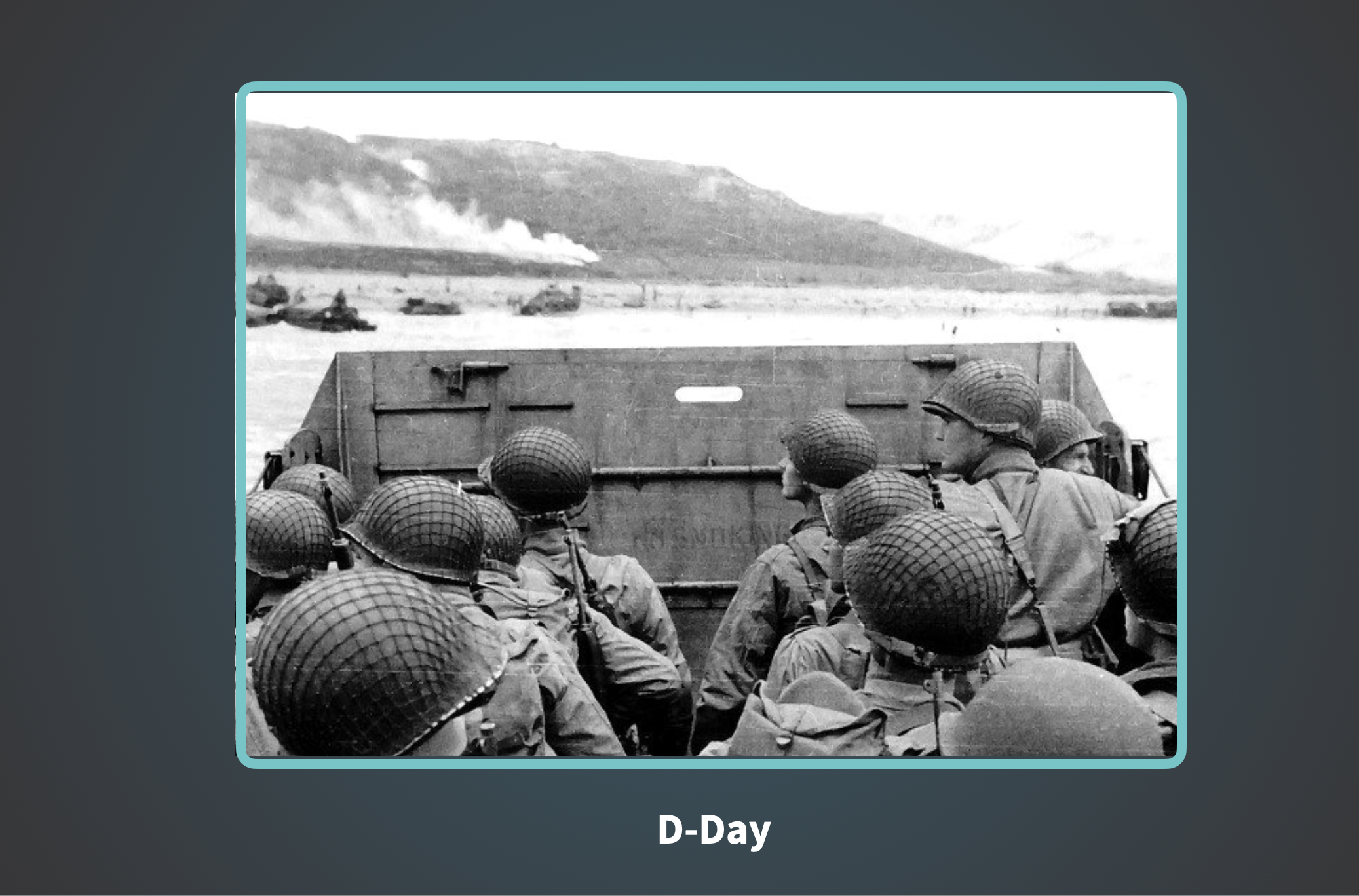

Think of D-Day and VE-Day in World War II. The Allied invasion of Normandy dealt Nazi Germany a decisive blow. The outcome had been determined, but fierce fighting continued until final victory.
Christ’s death and resurrection are like D-Day. The decisive victory has been won. But we are still awaiting the final VE-Day when Satan and every enemy will be completely removed.[8]
This distinction prepares us for Act Four.
In Act one the Father establishes his mission. After the Fall, in Act three, the Son accomplishes redemption. In the final act four, the Holy Spirit applies Christ’s finished redemption and carries God’s mission toward its appointed fullness.[9]
Redemption has been accomplished. Its saving benefits must now be applied, and restoration must unfold throughout God’s people and world.
IV. How the Son’s Redemption Reshapes Our Mission
The Son’s magnificent acts in redemption should reshape how we understand God’s gospel, salvation, and mission.
A. First, it reshapes how we understand God’s gospel.
The gospel is not only that Jesus died for us, but that he also obeyed for us.
Adam disobeyed. Israel disobeyed. We disobey. But Jesus perfectly obeyed the Father in our humanity. Paul writes, “by the one man’s obedience the many will be made righteous” (Rom. 5:19).[10]
Shortly before his death, J. Gresham Machen wrote to John Murray, “I’m so thankful for the active obedience of Christ. No hope without it.”[11]
Facing death, Machen knew his hope rested not in his record, but Christ’s.
Jesus lived the life we should have lived and died the death we deserved. Our hope before God rests not in our righteousness, but in his.
B. Second, it reshapes how we understand God’s salvation.
Salvation has three tenses:
We have been saved from sin’s penalty.
We are being saved from sin’s domineering power.
We will be saved from sin’s presence.
The gospel does not mean that sin no longer influences us. It does. But for those united to Christ, sin is no longer our rightful master. Christ has ransomed and liberated us from the bondage of Satan and sin.[12] Paul says that we have “died to sin” and are now “alive to God in Christ Jesus” (Rom. 6:2, 11).
Think of a tyrant who has been overthrown. He may still threaten, intimidate, and cause trouble, but he no longer sits on the throne. In the same way, sin remains present and powerful, but its reigning authority has been broken.
And one day, Christ will save us not only from sin’s penalty and domineering power, but from sin’s very presence.
C. Third, it reshapes how we understand God’s mission.
Christ’s redemption should give us enormous confidence in mission.
Jesus says of people not yet gathered to him, “I must bring them also, and they will listen to my voice” (John 10:16).
Those words are engraved beside the grave of David Livingstone in Westminster Abbey. Years later, the deeply discouraged missionary Peter Cameron Scott knelt there, read that promise, returned to Africa, and eventually founded Africa Inland Mission.
Several years ago, I stood at that same grave and looked down at those words myself: “I must bring them.”
Christ’s sovereignty does not weaken mission; it gives us confidence for mission. We go because the risen Shepherd has sheep among the nations, and he promises to gather them through the proclamation of his gospel.
Our confidence rests not in the missionary, the method, or even the response.
It rests in the Shepherd.
Conclusion
The promised Redeemer has come. Jesus succeeded where Adam and Israel failed, bore our curse, defeated Satan, and accomplished redemption.
But God’s mission is not finished.
Christ has secured redemption; now its saving benefits must be applied to God’s people and world.
That brings us to Act Four—the magnificent acts of the Holy Spirit in restoration.
FOOTNOTES
[1] The biblical covenants progressively unfold God’s redemptive promise from Adam and Noah through Abraham, Moses, David, and the prophetic expectation of a new covenant. The Pathway Learning Applied Theology material describes covenant as the principal biblical structure through which the triune God carries forward his redemptive purpose in history. See also Gen. 3:15; 9:1–17; 12:1–3; 17:1–8; 2 Sam. 7:12–16; Jer. 31:31–34.
[2] See Jude 5; 1 Cor. 10:1–4. Jesus himself teaches his disciples to read the Old Testament as Scripture ultimately pointing toward both himself and the worldwide mission accomplished through him (Luke 24:27, 44–47).
[3] The Apostles’ Creed preserves this historic emphasis on the saving events of Christ’s humiliation and exaltation: conception and birth, suffering and death, resurrection, ascension, heavenly reign, and return. Martin Luther similarly organized his explanation of the Creed around Christ as the eternal Son who “has redeemed me, a lost and condemned person.” See Martin Luther, Small Catechism, “The Creed,” Second Article.
[4] On propitiation as Christ’s satisfaction of God’s righteous judgment against sin, see Rom. 3:21–26; 1 John 2:1–2; 4:10. Leon Morris emphasizes that biblical atonement must take seriously both God’s personal opposition to evil and the objective dealing with guilt accomplished in Christ. See Leon Morris, The Apostolic Preaching of the Cross, 3rd rev. ed. (Eerdmans, 1965), esp. 144–213.
[5] See John 6:37–40; 10:11, 14–16, 26–29; 17:2, 6, 9. The Reformed tradition describes Christ’s atonement as definite because his death actually secures, rather than merely makes possible, the salvation of those given to him by the Father. This emphasis should be held together with Scripture’s indiscriminate command to proclaim Christ freely to all nations.
[6] See also Heb. 2:14–15, where Christ destroys “the one who has the power of death, that is, the devil,” and delivers those held in lifelong slavery through fear of death. The Pathway Learning Applied Theology materials describe redemption both as liberation through a ransom price and as deliverance through a champion’s victory.
[7] C. S. Lewis, The Lion, the Witch and the Wardrobe (Geoffrey Bles, 1950). The analogy is illustrative rather than exegetical, but Lewis memorably portrays sacrificial death becoming the unexpected means of defeating an apparently victorious tyrant.
[8] The D-Day/VE-Day analogy is intended to distinguish decisive victory from final consummation. Like all historical analogies, it should not be pressed in every detail. Its usefulness is simply that a decisive event can determine the outcome of a conflict while substantial resistance continues afterward.
[9] Ephesians 1 provides a particularly rich Trinitarian pattern: the Father’s eternal purpose (vv. 3–6), redemption accomplished in the Son (vv. 7–12), and the Spirit’s application and guarantee of the promised inheritance (vv. 13–14). Calvin similarly begins Book III of the Institutes by emphasizing that the benefits accomplished by Christ become ours through the Spirit: “The Holy Spirit is the bond by which Christ effectually unites us to himself.” See John Calvin, Institutes of the Christian Religion, 3.1.1.
[10] See Rom. 5:18–19; 2 Cor. 5:21; Phil. 2:8. Reformed theology commonly distinguishes Christ’s lifelong obedience to the Father—often called his active obedience—from his suffering of sin’s penalty, while regarding both as inseparable aspects of his saving obedience. The Heidelberg Catechism describes justification as receiving “the satisfaction, righteousness, and holiness of Christ” by faith alone; see Heidelberg Catechism, Q. 61.
[11] See John Murray, “Dr. Machen’s Hope and the Active Obedience of Christ.”
[12] See Mark 10:45; Col. 1:13–14; Titus 2:14; 1 Pet. 1:18–19. Roger Nicole notes that the biblical ransom imagery draws upon the liberation of prisoners and slaves through the payment of a price. See Roger Nicole, “C. H. Dodd and the Doctrine of Propitiation,” Westminster Theological Journal 17 (1955): 117–57. See also Leon Morris, The Apostolic Preaching of the Cross.
The Rebellious Acts of Humanity in the Fall
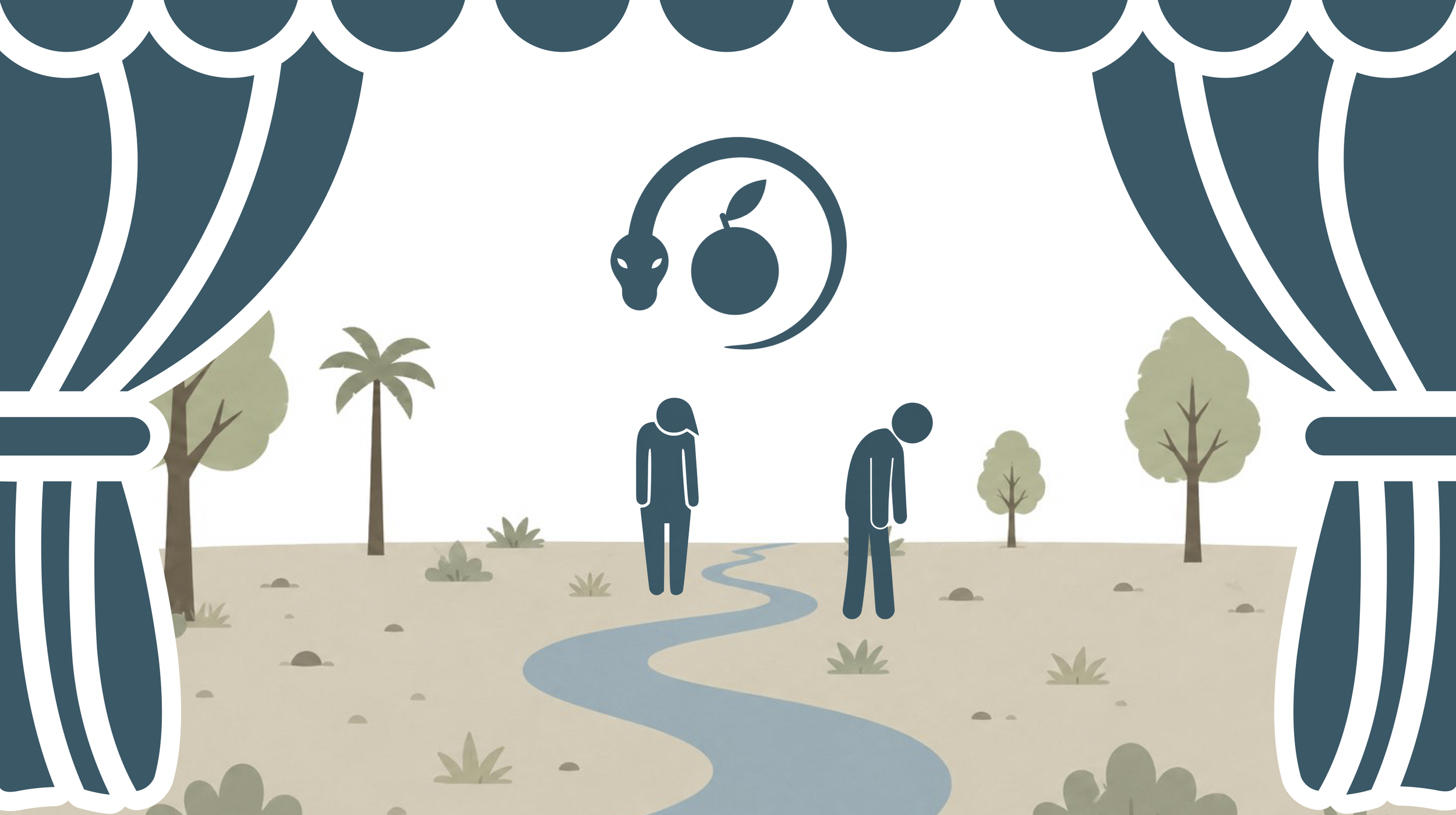
Introduction: Things Are Not the Way They’re Supposed to Be
Martin Luther once made a penetrating observation: if you see yourself as a little sinner, you will see Jesus as a little Savior.
That principle reaches far beyond our personal salvation. The degree to which we understand what humanity’s rebellion actually did to us and to the world will shape the degree to which we understand the greatness of God’s salvation—and the nature of his mission that follows.
Act Two is therefore essential.
Humanity’s Fall did far more than give us a bad record before God. It left us with corrupt, idolatrous hearts, alienated us from God, brought the world under the curse and Satan’s influence, and distorted the very mission God gave humanity.
Before we can understand the astonishing grace of what God does in the next Act III—and how his redemptive mission revealed in that next act relates to his original creation mission revealed in the last act—we must first understand how deeply humanity’s rebellion changed everything.
I. Humanity Rebels Against the Father: Cursed but Not Destroyed
Satan’s temptation was far more than an invitation to eat forbidden fruit. It was an assault against the Father’s mission by turning God’s image bearers against their King.
Adam and Eve distrusted God’s goodness, rejected his word, and sought life, wisdom, and glory apart from him. Instead of living under God’s gracious rule, they claimed the right to determine good and evil for themselves.[1] Their rebellion brought humanity under God’s just curse.
The Fall reversed two great blessings humanity received in creation.
First, our perfect standing became a condemned standing. We now have what we might call a bad record before God. Adam’s “one trespass led to condemnation for all men” (Rom. 5:18). Our problem is therefore not merely that we sometimes do wrong things. We stand guilty before a holy and righteous Judge.[2]
Second, our pure hearts became corrupt hearts. Sin did not merely change our record; it changed us. Jesus teaches that our outward sins arise “from within, out of the heart of man” (Mark 7:21).
This brings us to one of the most practical truths about the Fall: our core heart problem is idolatry—the sin beneath our sins.[3]
We were created as worshipers, designed to find our deepest happiness, identity, security, and significance in God. But fallen hearts redirect those desires toward created things. And this is important: the desires themselves are often not wrong. Approval, success, comfort, control, pleasure, relationships, family, work, and ministry can all be good gifts from God.
The problem comes when we turn good things into ultimate things—when we look to the gifts to give us what only the Giver can ultimately provide. Then our loves become disordered and our hearts become captured by idols.
So beneath many of our visible sins is a deeper question: What am I wanting, trusting, loving, or fearing so much that it has become more important to me than God?
Our condemned standing and corrupt heart result in alienation from God. And that alienation flows like a polluted river into our relationships with ourselves, with others, and with the world God entrusted to us.[4]
Yet though humanity is cursed, it is not destroyed. We remain God’s image bearers with real dignity and God-given capacities, even though every dimension of our lives has been corrupted by sin.
II. Humanity’s Rebellion Curses the World: Broken but Still Good
The Fall did not corrupt humanity alone. It brought the whole world under the influence of a new tyrannical ruler.
Jesus repeatedly calls Satan “the ruler of this world” (John 12:31; 14:30), and the apostle John writes that “the whole world lies in the power of the evil one” (1 John 5:19). This does not mean that Satan replaced God as the supreme ruler of creation. God remained—and remains—the sovereign Lord over all things, including Satan. But in his judgment, God allowed Satan to exercise a real, temporary, and subordinate rule over the fallen world.
This was a cosmic coup. The evil one who had deceived humanity now became the great vandal of God’s good world.
Cornelius Plantinga describes sin as the “vandalism of shalom.” The peace, wholeness, beauty, justice, harmony, and flourishing of creation were violently defaced.[5] The perfect world became a broken world. The ground produced thorns and thistles. Work became painful and frustrating. Human bodies became subject to weakness, sickness, decay, and death. Creation itself was “subjected to futility” and now groans in “bondage to corruption” (Rom. 8:20–22).[6]
Satan carries out much of this vandalism through fallen, idolatrous image bearers. The people created to cultivate and bless God’s world now become instruments through whom disorder, exploitation, injustice, violence, and curse spread throughout it.
Yet the world is broken, not destroyed.
Marriage, family, work, government, education, art, technology, and culture remain good gifts from God, though deeply corrupted by sin. Through his common grace, God preserves their goodness, restrains evil, and refuses to surrender either his world or his mission.
III. Humanity Distorts the Father’s Mission: Thwarted but Not Abandoned
The Fall did not erase humanity’s creation mandate. It distorted and redirected it.
Human beings still multiply, cultivate, create, build, and exercise influence. We remain image bearers with God-given gifts and capacities.
But instead of using those gifts to enjoy God’s presence, reflect his character, represent his gracious rule, cultivate his world, and extend his blessing, fallen humanity increasingly uses them to establish rival kingdoms.
Rather than advancing God's rule so that the earth is filled with God’s name and glory, humanity seeks its own name and glory.
Genesis 4 records the development of cities, agriculture, music, and technology alongside polygamy, vengeance, and violence. At Babel, humanity’s distorted mission becomes explicit: “Let us make a name for ourselves” (Gen. 11:4).
Sin therefore corrupts the cultural development of the world without making culture itself evil. Humanity continues exercising its creation mandate, but now toward idolatrous ends. Under Satan’s influence, the very capacities God gave humanity to cultivate and bless his world are bent toward self-glory, rival kingdoms, and rebellion against God.
But humanity’s distortion of its mission does not mean the Father has abandoned his.
Here we reach a critical turning point in the grand story of God’s mission. Humanity’s rebellion made a new redemptive mission necessary: fallen humanity and the broken world must now be rescued, redeemed, and restored from God’s curse and Satan’s rule, if God’s original creation mission is to continue.
God’s creation mission and redemptive mission are therefore distinct, yet inseparably related. The redemptive mission became necessary because sin corrupted the people through whom the creation mission was meant to advance.
And here is the astonishing grace: rather than abandon his rebellious people, his broken world, or his original purpose, God determines to redeem and restore them so that his people can once again participate in his creation mission.
So, the creation mission has been thwarted, but God’s mission has not been abandoned.
Humanity seeks its own glory. Satan seeks to rule God’s world. But the Father refuses to surrender his people, his world, or his mission.
What he does in the first scene of the next act—which we’ll explore in the next lesson—is an astonishing display of grace..
IV. How Humanity’s Fall Reshapes Our Mission
The deeper we understand what the Fall has ruined, the more clearly we will understand the gospel we proclaim, the salvation we need, and the mission God has given us.
A. How it reshapes our understanding of the gospel
Humanity’s fall into sin is meant to reshape not only how we understand the gospel, but also how we experience and proclaim it.
After telling people the good news that God created them in love for a relationship with himself and a place in his purposes for the world, we must tell them the bad news: humanity has rebelled against God, leaving us with a condemned standing, a corrupt heart, and a broken world.
Our problem is therefore deeper than a bad record that needs forgiveness. We also have corrupt, idolatrous hearts that need to be made new.
This is why Peter promises those who repent and turn to Christ both “the forgiveness of your sins” and “the gift of the Holy Spirit” (Acts 2:38).[7] The gospel promises not only a new standing before God, but also a new heart from God.
The old hymn “Rock of Ages” calls this the “double cure”: deliverance from both sin’s guilt and its power.
So when we call people to “repent and believe in the gospel” (Mark 1:15), we are calling them to turn from idols to the living God. Repentance pulls our heart affections away from created things we have made ultimate; faith redirects those affections toward the risen and ascended Christ.
The gospel therefore addresses both dimensions of our fallen condition: guilty people need forgiveness, and idolatrous people need new hearts.
B. How it reshapes our understanding of salvation
Given what the Fall actually did to humanity and the world, what kind of salvation do we need?
Our understanding of the Fall determines our understanding of salvation.
If sin has corrupted only our record before God, then salvation would need only to change our record. But the Fall has done far more. It has left us condemned, corrupted, alienated from God, broken in our relationships, and living in a world under the curse.
So God’s salvation must be as comprehensive as the ruin sin has caused.
Because we have a condemned standing, we need forgiveness through Christ’s blood and justification—the gift of his righteousness and a new standing of acceptance before God.
Because we have corrupt, idolatrous hearts, we need regeneration and sanctification—new hearts made alive by the indwelling Spirit and increasingly freed from sin’s power.
Because we are alienated from God, we need reconciliation—a restored relationship with the One for whom we were created.
Because that alienation has flowed into our relationships with ourselves, others, and creation, salvation must increasingly bring renewal there as well—including our work, vocation, and calling to join God in his mission.
And because creation itself is subject to corruption and death, biblical salvation ultimately reaches toward the restoration of humanity and the world.
A salvation that remedies only part of what the Fall ruined is less than the full biblical vision of salvation. As Herman Bavinck summarized it, “Grace restores nature.” God’s saving grace does not discard his creation; it redeems and restores what sin has ruined.
C. How it reshapes our understanding of God’s mission
The Fall should first heighten our awareness of the reality of spiritual warfare.
Christian mission does not take place on neutral territory. We live and minister in a fallen world where Satan still exercises real, though subordinate, power. Scripture warns that our enemy “prowls around like a roaring lion, seeking someone to devour” (1 Pet. 5:8). Mission therefore involves a real battle against the world, the flesh, and the devil.
Second, we must learn to “put on the whole armor of God” (Eph. 6:11). Paul reminds us that “we do not wrestle against flesh and blood,” and names the armor God provides: truth, righteousness, the gospel of peace, faith, salvation, and the word of God. These are not merely doctrines to understand, but realities we must depend on as we participate in God’s mission.
Paul then concludes by calling us to pray “at all times in the Spirit” (Eph. 6:18).
God’s sovereignty should never weaken our expectation that prayer changes things. The sovereign God ordains both the ends of his mission and the means—including the prayers of his people.
This is why prayer for world missions should never be relegated to a handful of faithful older Christians. We need younger generations learning what Jack Miller called frontline kingdom prayers—bold, expectant prayers for God’s kingdom to advance against the powers of darkness.[8]
William Carey captured that spirit: “Expect great things from God. Attempt great things for God.” John Piper gives us a memorable picture in Let the Nations Be Glad: prayer should function more like a wartime walkie-talkie than a domestic intercom. It is given to call for the direction, power, and resources needed for Christ’s kingdom to advance in a real spiritual war.
If we truly believe that, prayer will not be peripheral to mission. Prayer will be on the front line.
Conclusion: God’s Mission Continues After the Fall
Act Two shows us why things are not the way they are supposed to be.
Humanity’s rebellion left us with a condemned standing and corrupt, idolatrous hearts. It brought God’s good world under the curse and Satan’s subordinate rule, and it distorted humanity’s original mission toward self-glory and rival kingdoms.
Yet the Father did not abandon his people, his world, or his mission.
Instead, the Fall made a new redemptive mission necessary—one that would rescue and restore fallen humanity and creation so that God’s original mission he gave at creation could continue.
And that is where the next act will begin.
Act Three will reveal the greatest rescue in the history of the world: the Father sends his Son to rescue and restore his fallen people to himself and to reclaim his fallen world by defeating Satan, its tyrannical ruler, and beginning to restore all that sin has ruined.
That act begins with an astonishing promise embedded in God’s curse on the serpent—a promise pointing forward to the magnificent acts of the Son in redemption.
The next act has rightly been called “the greatest story ever told.”
FOOTNOTES
[1] Gen. 3:1–7. For further discussion, see Steve Childers, “All Things New (Act 1): Creation – The Way Things Are Supposed to Be,” Pathway Learning Blog, Pathway Learning, April 17, 2026, and Steve Childers, “All Things New (Act 2): The Fall – The Way Things Are Not Supposed to Be,” Pathway Learning Blog, Pathway Learning, April 20, 2017, https://www.pathwaylearning.org/search?q=All+Things+New.
[2] Although God is a loving and merciful Father, he is also a perfectly holy and righteous Judge. He cannot remain neutral toward evil or treat rebellion as though it does not matter. Humanity now stands guilty before God’s heavenly court, condemned under his just curse and separated from his loving presence. See Exodus 34:6–7 and Romans 1:18; 3:19–20; 5:12–19. The Westminster Confession of Faith describes Adam and Eve as becoming “dead in sin, and wholly defiled in all the parts and faculties of soul and body,” with the guilt of their sin imputed to their descendants (1646; repr., Lawrenceville, GA: Confessional Publications, 2018), 6.2–3.
[3] An idol is anything or anyone we look to as our ultimate source of happiness, identity, security, or significance apart from God. Approval, success, comfort, control, pleasure, power, possessions, money, and relationships are good gifts. But when we cherish these gifts above the Giver, our loves become disordered and our hearts turn away from God. Jesus teaches that our outward sins arise “from within, out of the heart of man” (Mark 7:21; See Jer. 2:11–13; Mark 7:20–23; Rom. 1:21–25; Eph. 2:1–3). The corrupt heart is “dead to God, enslaved to idols,” with disordered loves producing lives of disobedience.
[4] This “polluted river” image and relational sequence appear explicitly in Steve Childers, “Amazing Grace, Part One” (sermon, Grace Fellowship, May 7, 2023), and in Mission Course, lesson 3, “Primary Sources.” On the inseparable knowledge of God and self, see John Calvin, Institutes of the Christian Religion, 1.1.
[5] Cornelius Plantinga Jr. describes sin as the “vandalism of shalom”—the culpable disruption of the peace, wholeness, justice, and flourishing God intended for humanity and creation. See Cornelius Plantinga Jr., Not the Way It’s Supposed to Be: A Breviary of Sin (Eerdmans, 1995), 10–16.
[6] See Gen. 3:16–19; Rom. 5:12; 8:18–25; 1 Cor. 15:21–22. Creation’s subjection to futility is joined to humanity’s fall and will be overcome when creation shares “the freedom of the glory of the children of God” (Rom. 8:21).
[7] God’s new-covenant promises join forgiveness with inner renewal through the Spirit (Jer. 31:31–34; Ezek. 36:26–27). Peter proclaims these two gifts together at Pentecost: “the forgiveness of your sins” and “the gift of the Holy Spirit” (Acts 2:38). See also Gospel in Theology by Steven Childers and John Frame, where these promises are summarized as a new standing and a new heart.
[8] William Carey captured that spirit: “Expect great things from God. Attempt great things for God.” John Piper gives us a memorable picture in Let the Nations Be Glad: prayer should function more like a wartime walkie-talkie than a domestic intercom. It is given to call for the direction, power, and resources needed for Christ’s kingdom to advance in a real spiritual war.
The Magnificent Acts of the Father in Creation
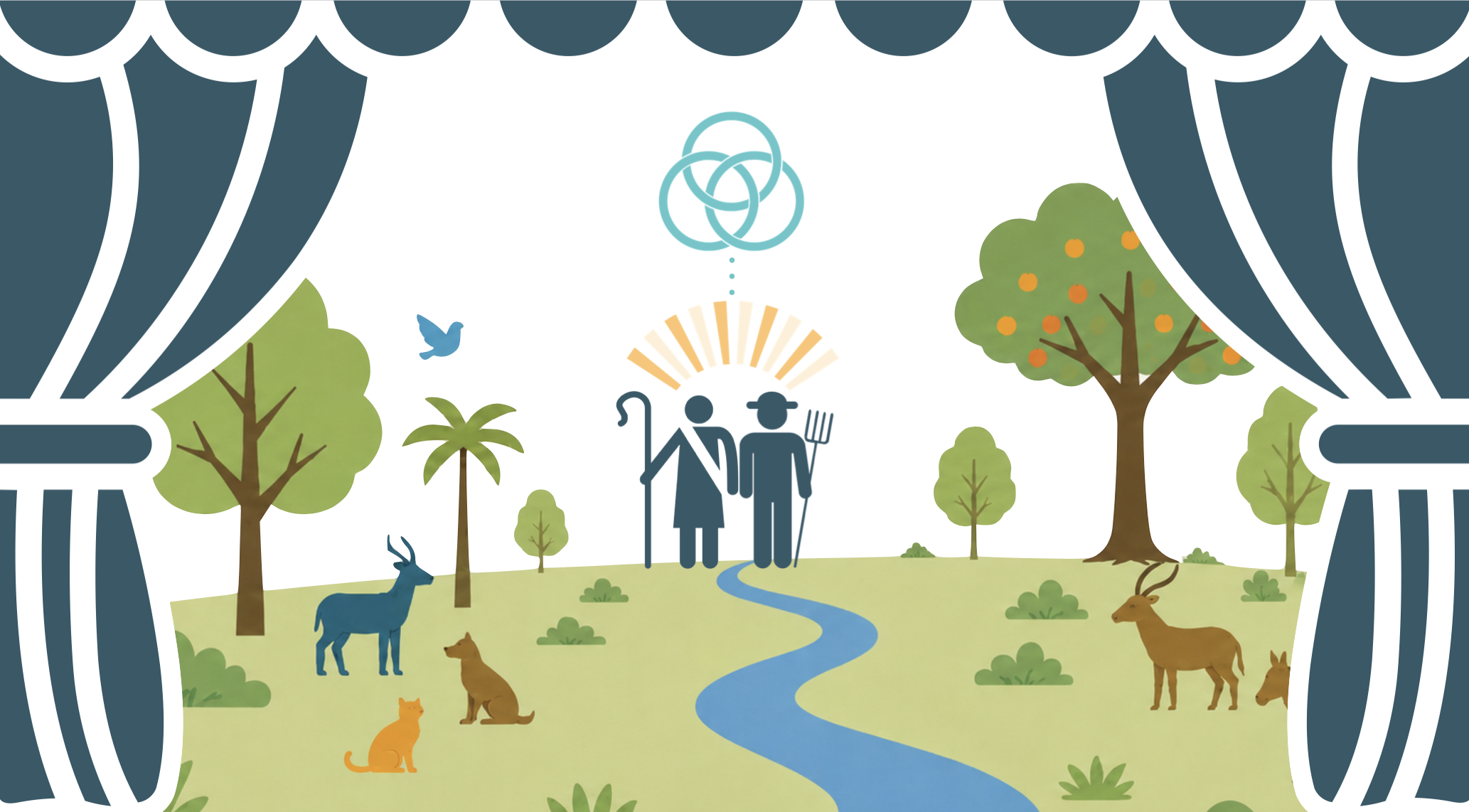
Introduction: What Was God Doing Before There Was Anyone to Save?
Many Christians think God’s mission begins with Abraham, Israel, Jesus, or especially the Great Commission. But God’s mission did not begin with a rescue. It began before humanity and the world needed to be rescued.
In Lesson One, we saw the Bible’s grand story unfold through the Father’s magnificent acts in Creation, humanity’s rebellion in the Fall, the Son’s magnificent acts in Redemption, and the Spirit’s magnificent acts in Restoration.[1]
Now we return to Act One and ask a foundational question: What was God’s original mission for humanity and the world before anything went wrong?
Before there was sin, there was mission. Before humanity needed salvation, humanity already had a calling. And before Jesus gave the Great Commission, the Father had already given humanity a creation commission.
Act One reveals why humanity and the world were created and what human flourishing was meant to look like. It helps us understand why our lives, relationships, and work matter to God, what salvation ultimately restores, and how our lives fit into his mission today.
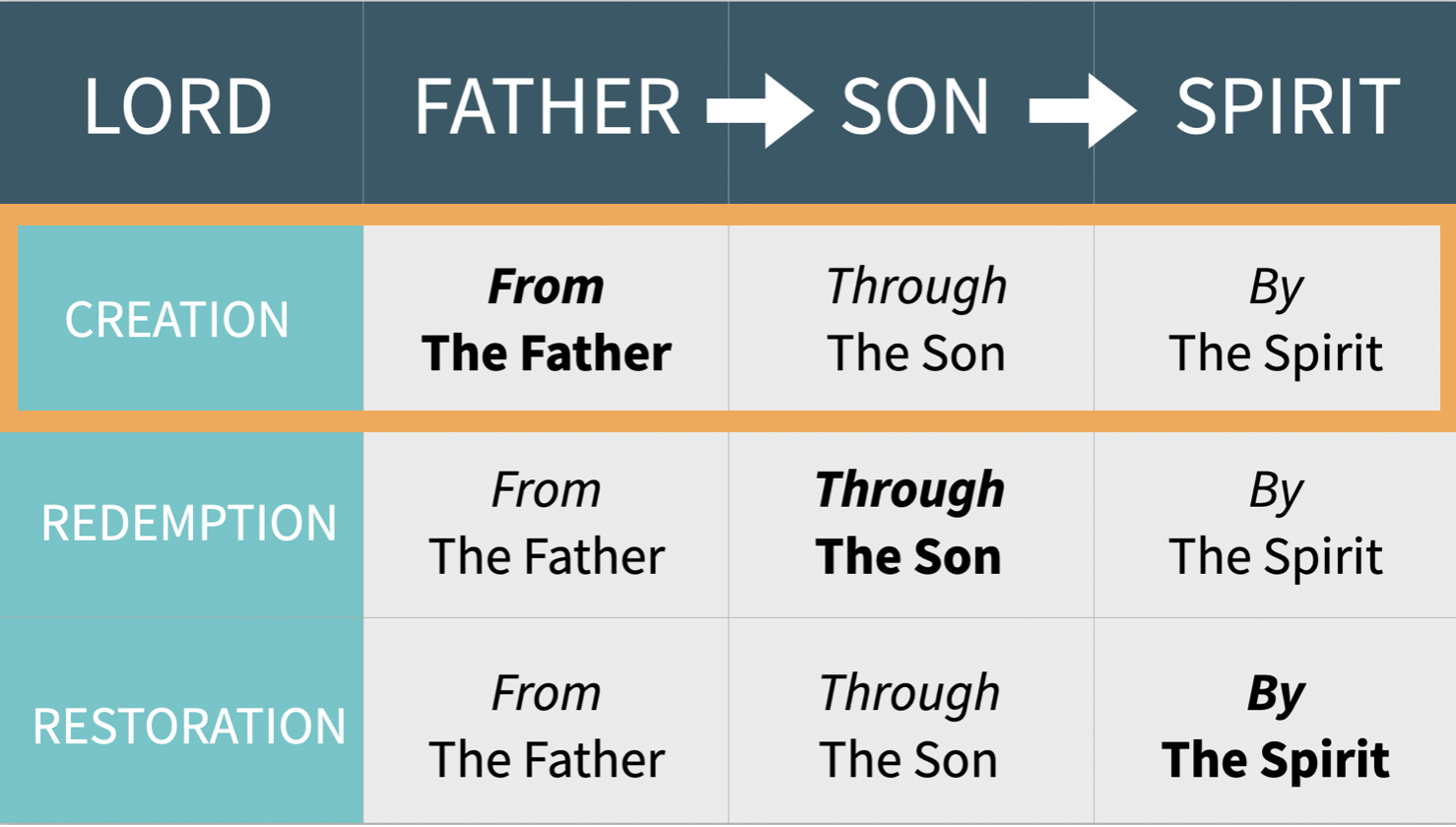
Here's a theological sidebar reminder: Although Scripture gives the Father special prominence as Creator, all three persons of the Trinity always work inseparably as the one true God. The Father creates all things through his Son and by his Spirit.[2]
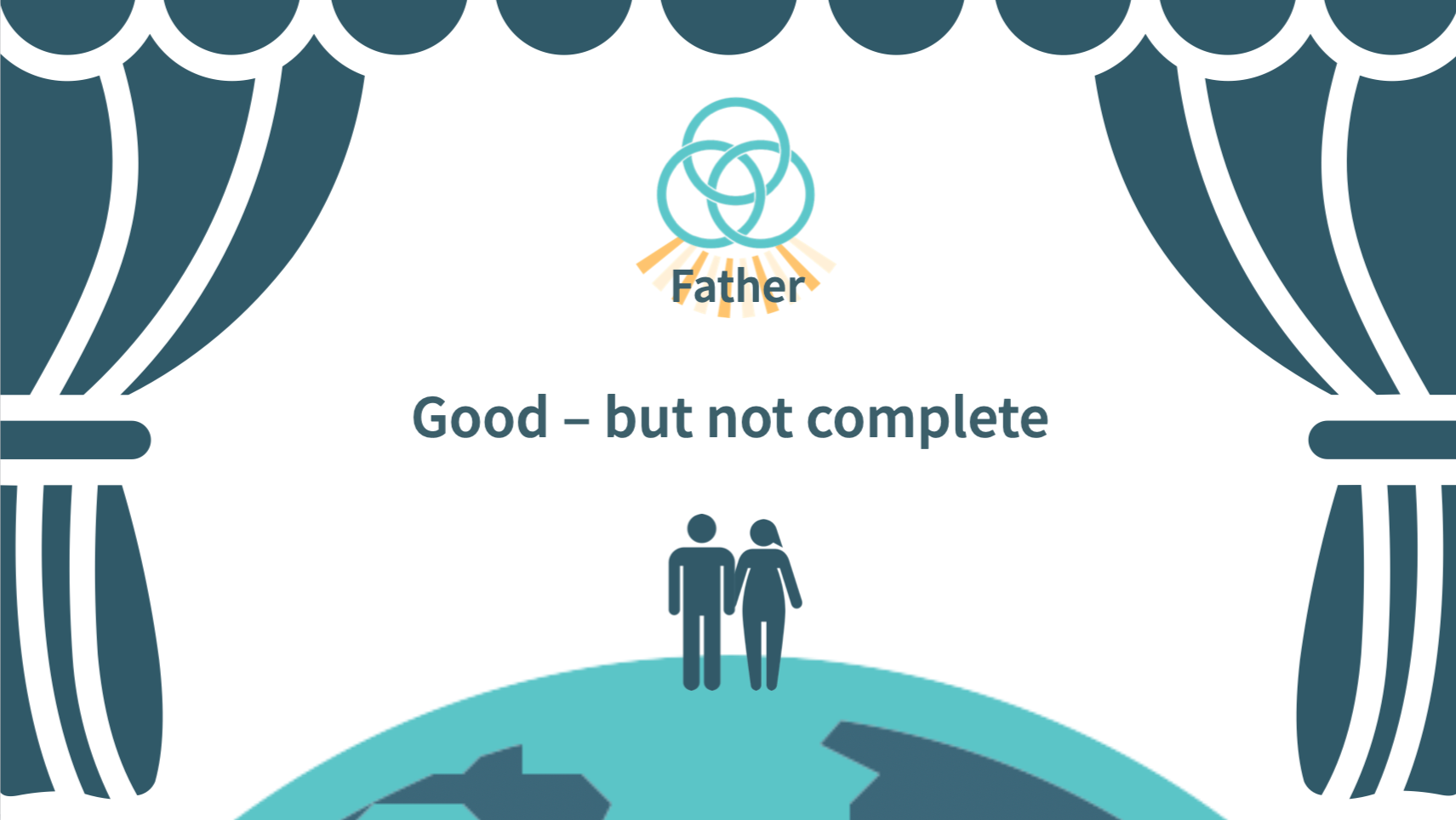
I. The Father Creates Humanity: Good but Not Complete
Genesis 1:26–28 closely connects humanity’s identity and calling: “Let us make man in our image, after our likeness. And let them multiply and have dominion....”
God created human beings in his image to represent him within his creation. In the ancient world, kings placed images of themselves throughout their kingdoms as signs of their authority. In a far greater way, God created living images of himself to reflect his character and represent his gracious rule throughout his world. We are not the King; we represent the King. Psalm 8 therefore describes humanity as crowned “with glory and honor” and given dominion over the works of God’s hands.[3]
God also created humanity for a loving relationship with him, marked by two extraordinary gifts: a perfect standing before God and a pure heart from God.
Their perfect standing meant Adam and Eve lived in complete innocence and acceptance before God. They were without guilt or shame and could enjoy his holy presence without fear. Their pure hearts meant their loves were rightly ordered toward him. They loved God above all else, delighted in him, trusted him, and were free to love one another without the corruption.
But God did not create humanity merely for a private relationship with himself. Their relationship with God was designed to overflow into flourishing relationships with themselves, one another, and the world. This is the biblical picture of shalom—peace, wholeness, harmony, and flourishing. It was, in a very real sense, heaven on earth.[4]
Yet a very important distinction is necessary: Good did not mean complete. Adam and Eve were genuinely righteous, but they had not yet reached the mature humanity God intended.
Augustine described Adam’s original condition as posse non peccare—”able not to sin.” Adam was genuinely righteous, but his obedience had not yet been tested and confirmed.[5] Herman Bavinck similarly writes that Adam stood “not at the end but at the beginning of the road."[6]
Humanity therefore had God-given potential to mature in wisdom, love, holiness, obedience, and faithful service. Their incompleteness was not a defect but part of God’s design—and the same was true of the world entrusted to them.
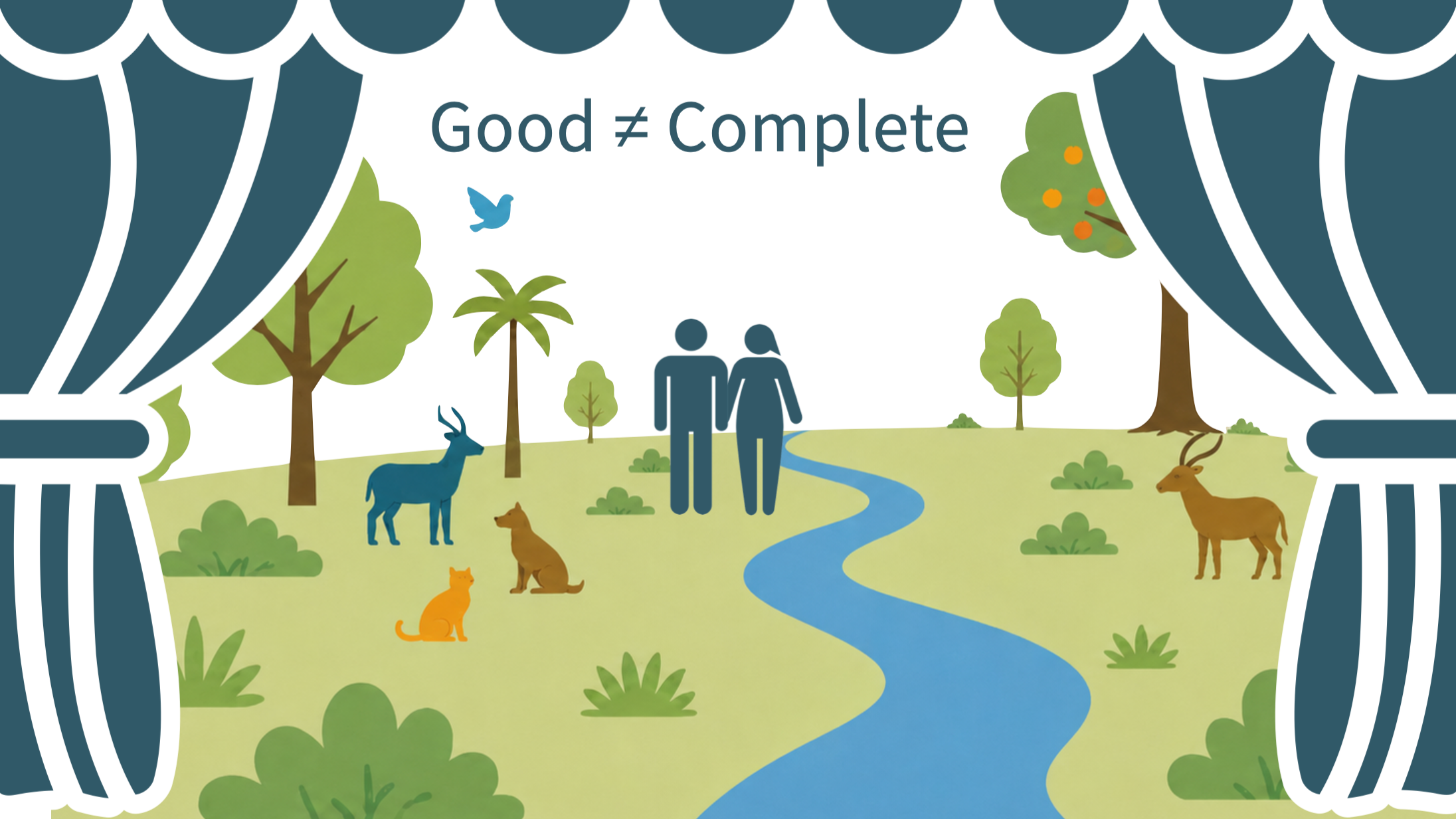
II. The Father Creates the World: Good but Not Complete
Genesis repeatedly declares God’s creation good, concluding, “God saw everything that he had made, and behold, it was very good” (Gen. 1:31).
The Bible therefore begins with creation as God’s good gift. The physical world, human bodies, work, food, marriage, beauty, creativity, and culture are not evils from which spiritual people should escape, but gifts to be received, cultivated, and enjoyed under God’s gracious rule.
This was the third dimension of humanity’s original blessing. God gave Adam and Eve not only a perfect standing and a pure heart, but also a perfect world in which to flourish and carry out his mission.
But again, perfect did not mean complete.
Creation was perfectly good, but not fully developed. It contained enormous, untapped potential that human beings were called to cultivate.
Sounds could become music; trees could become homes, books, or instruments; raw materials could become art, technology, institutions, and culture.[7]
God creates. Human beings cultivate what God creates. Through that cultivation, God's world (sometimes called culture) develops.
This progression can be summarized simply: Creation → Cultivation → Culture
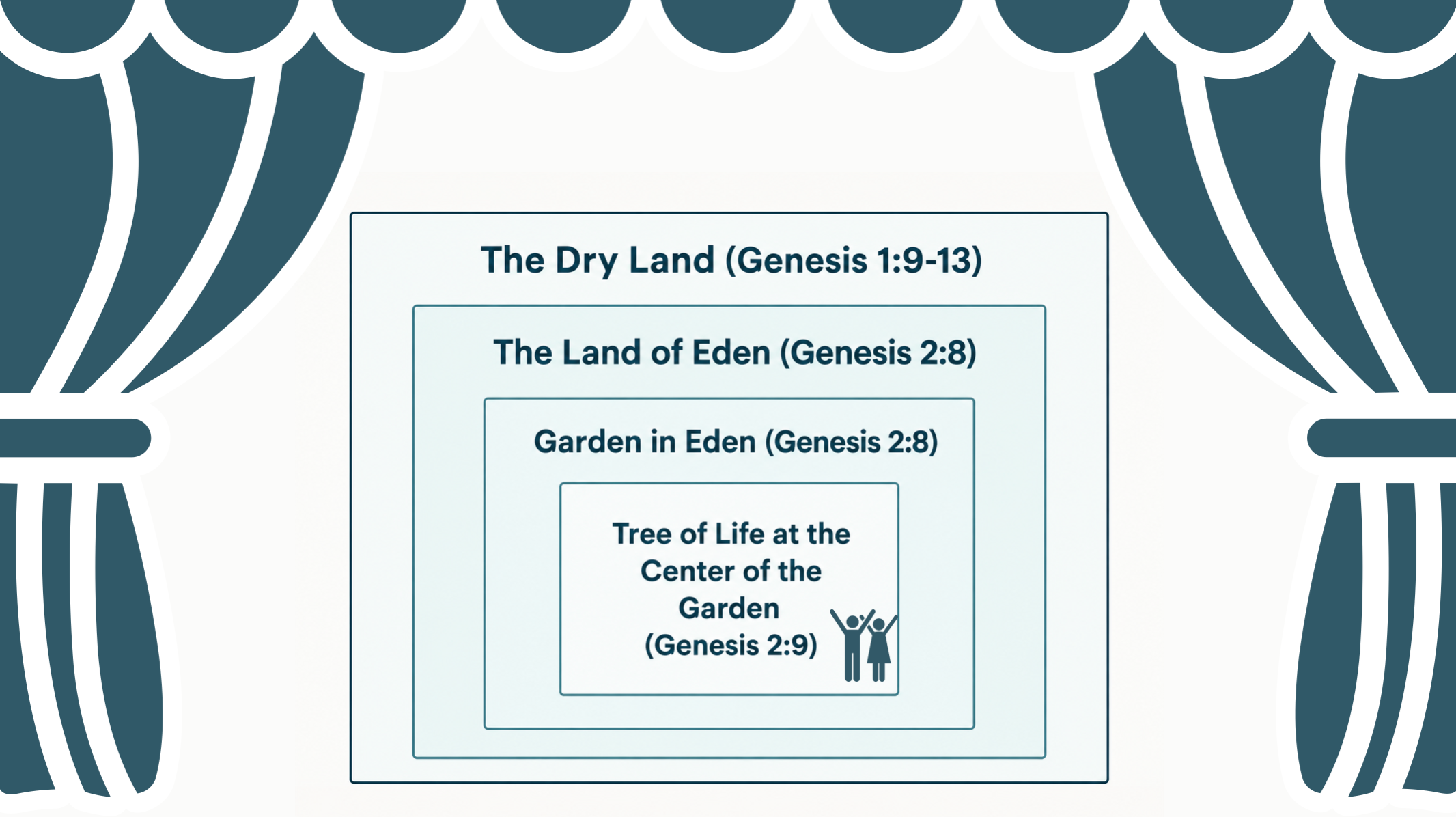
Genesis 2 also shows that the paradise of the garden of Eden was neither all of Eden nor the whole earth beyond it.
The biblical account narrows its focus
from the whole earth,
to one particular land called Eden,
and then, within Eden, to smaller garden-paradise that God planted there[8]
and put Adam and Eve in it.
The garden was a concentrated place of his presence, blessing, beauty, and order within a larger world waiting to be cultivated
The garden was the beginning, not the end.
There are also strong biblical reasons for seeing the garden of Eden as an original sanctuary or temple. The tree of life stood there. God manifested his presence there. Adam was placed there “to work it and keep it” (Gen. 2:15), Hebrew language that carries the ideas of cultivating and guarding that is later associated with priestly service in a sacred space.[9]
A river flowed from Eden to water the garden
and then outward toward surrounding lands, picturing God’s life and blessing moving beyond the garden. God’s purpose was for this garden-sanctuary to expand until the whole earth became his dwelling place—a worldwide temple filled with his presence, rule, blessing, and glory.
Humanity and the world were both good but not complete, and God intended them to develop together.
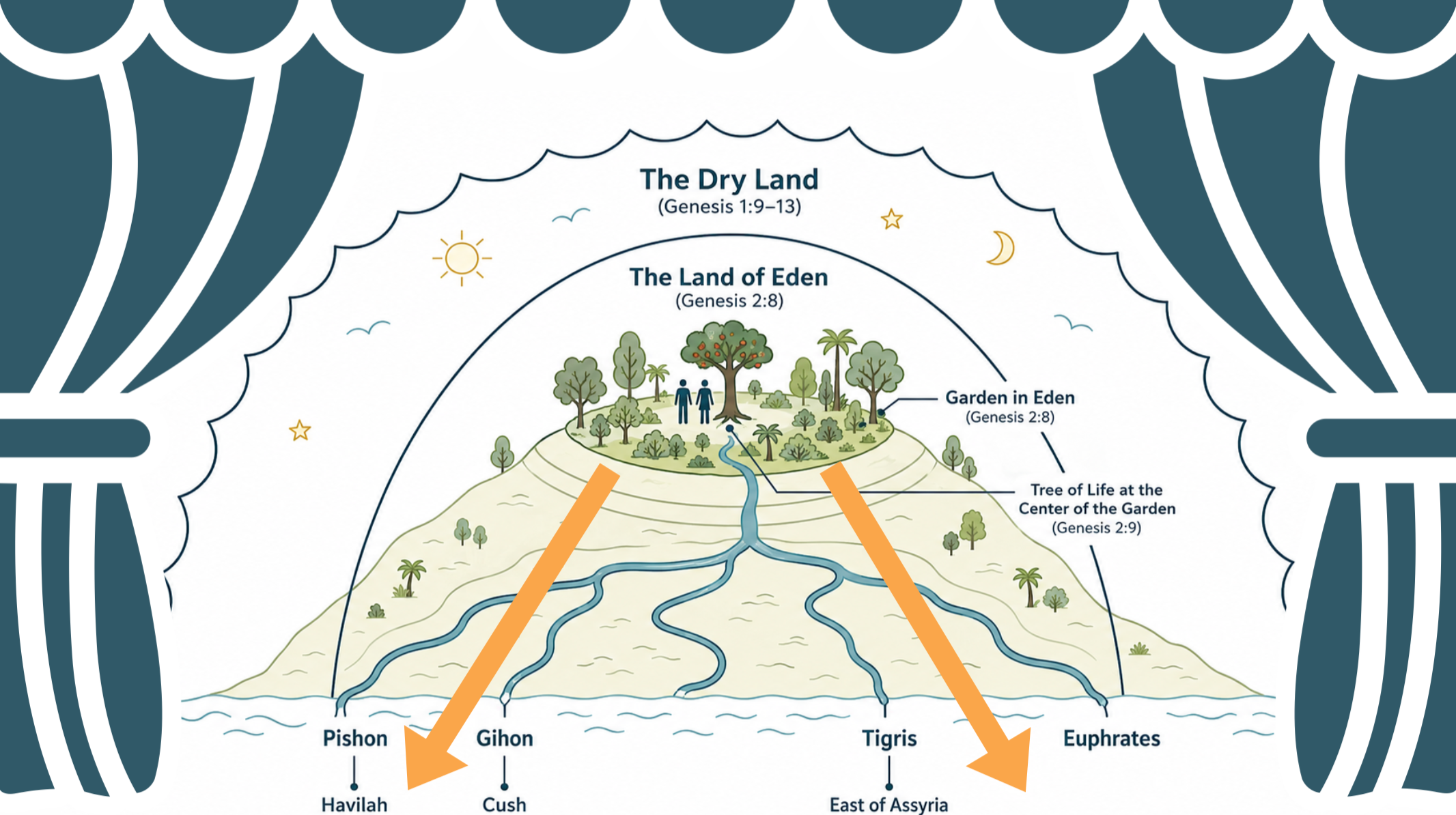
III. The Father Begins His Mission Through Humanity in the World
After creating Adam and Eve in his image, and putting them in the garden-paradise, God blessed them and gave them their mission:
“Be fruitful and multiply and fill the earth and subdue it, and have dominion...” (Gen. 1:28).
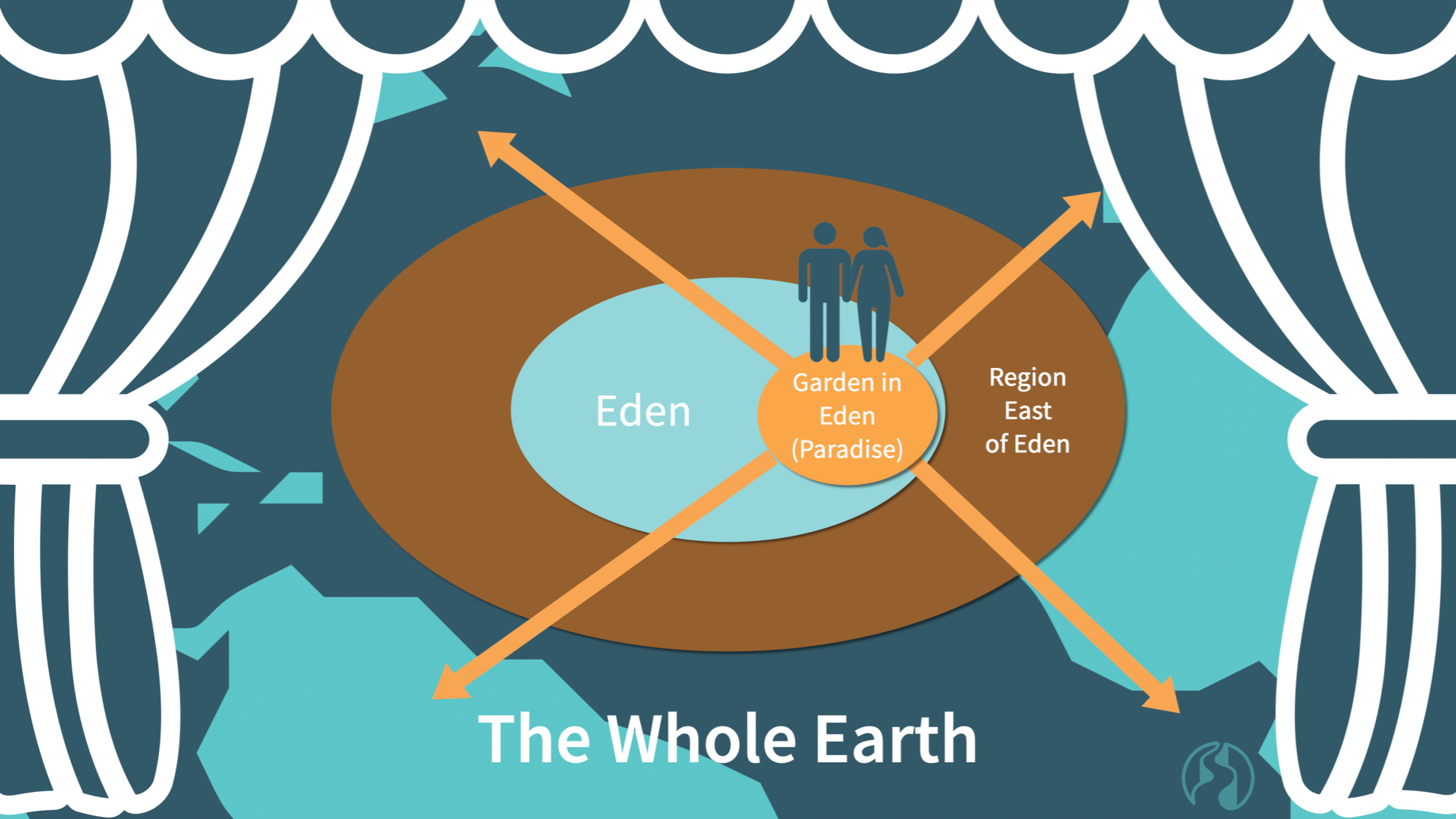
This is the Bible’s first great human commission, reflecting God's first great mission. The Great Commission to make disciples of all nations is essential to God’s redemptive mission, but it is not God’s first commission. Before humanity needed a rescue mission, humanity already had a creation mission.
That mission included two closely related dimensions: procreation and vocation.
First, procreation: “Be fruitful and multiply and fill the earth.” God intended the earth to be filled with image bearers who would know and enjoy him, reflect his character, and represent his gracious rule throughout his creation.
Second, vocation: “subdue it, and have dominion.” Genesis 2:15 says God placed Adam in the garden “to work it and keep it.” Humanity was commissioned to cultivate, develop, preserve, and protect what God entrusted to them.[10]
Put simply:
Procreation fills the earth with image bearers.
Vocation develops the earth through image bearers.
Many people are surprised that humanity’s original mission does not sound more “spiritual.” Genesis does not portray Adam and Eve spending all their time singing, praying, and praising God. Instead, God puts them to work.
This corrects a common misunderstanding of worship.
Singing, prayer, and gathered praise are essential expressions of worship, but biblical worship is much broader.
Scripture calls us to worship God by bringing him glory in all of life—including our work. Paul calls believers to present their bodies as “a living sacrifice” in “spiritual worship” (Rom. 12:1), and writes, “whether you eat or drink, or whatever you do, do all to the glory of God” (1 Cor. 10:31).[11] As R. C. Sproul writes, “To live coram Deo is to live one’s entire life in the presence of God, under the authority of God, to the glory of God."
As image bearers fulfilled God’s mission to multiply, fill the earth, and exercise his gracious rule, they would increasingly develop the possibilities embedded in creation. Genesis already gives glimpses of this in language, marriage, work, music, craftsmanship, and tools.
Richard Mouw illustrates the point by imagining Adam and Eve picking up a branch and using it as a rake instead of working only with their hands—an early step in developing tools. They name it, expanding language, then take turns using it, developing cooperation and social organization. His larger point is that God’s image bearers were meant to discover and develop the rich possibilities God had placed within creation for his purposes.[12]
Eden therefore corrects not only a common misunderstanding of worship, but also a common misunderstanding of happiness. God did not place humanity in paradise to escape meaningful work, but to worship God and flourish through it. Rest is a gift from God, but so is work.
Retirement from paid employment may be appropriate; but retirement from God’s mission is not. As long as God gives us life, he continues to call us to represent his rule and extend his blessing through all the particular spheres of influence he entrusts to us.[13]
This principle is already built into the creation account. Genesis 1 gives humanity a cosmic commission: fill and subdue the earth. Genesis 2 gives Adam a particular assignment: cultivate this garden. Adam could not cultivate the entire earth himself; he began with what God placed under his care.
The same principle applies to us. God sovereignly places us within particular relationships, families, vocations, churches, communities, responsibilities, gifts, and spheres of influence. We are not responsible for cultivating everything in God’s world, but we are responsible for faithfully cultivating what he has entrusted to us.[14]
The garden was meant to spread. God’s image bearers were meant to spread. God’s blessing was meant to spread. And ultimately, God’s glory was meant to spread and fill the whole earth.
God created human beings in his image to participate in this purpose as they:
enjoy his presence,
reflect his character,
represent his rule,
cultivate his world,
extend his blessing.
Act One therefore reveals the central mission of God:
God’s mission is to glorify his name by causing his kingdom to come throughout the earth through his people by the power of his Spirit.
Jesus later teaches us to pray according to this same great purpose: “Our Father in heaven, hallowed be your name. Your kingdom come, your will be done, on earth as it is in heaven” (Matt. 6:9–10).
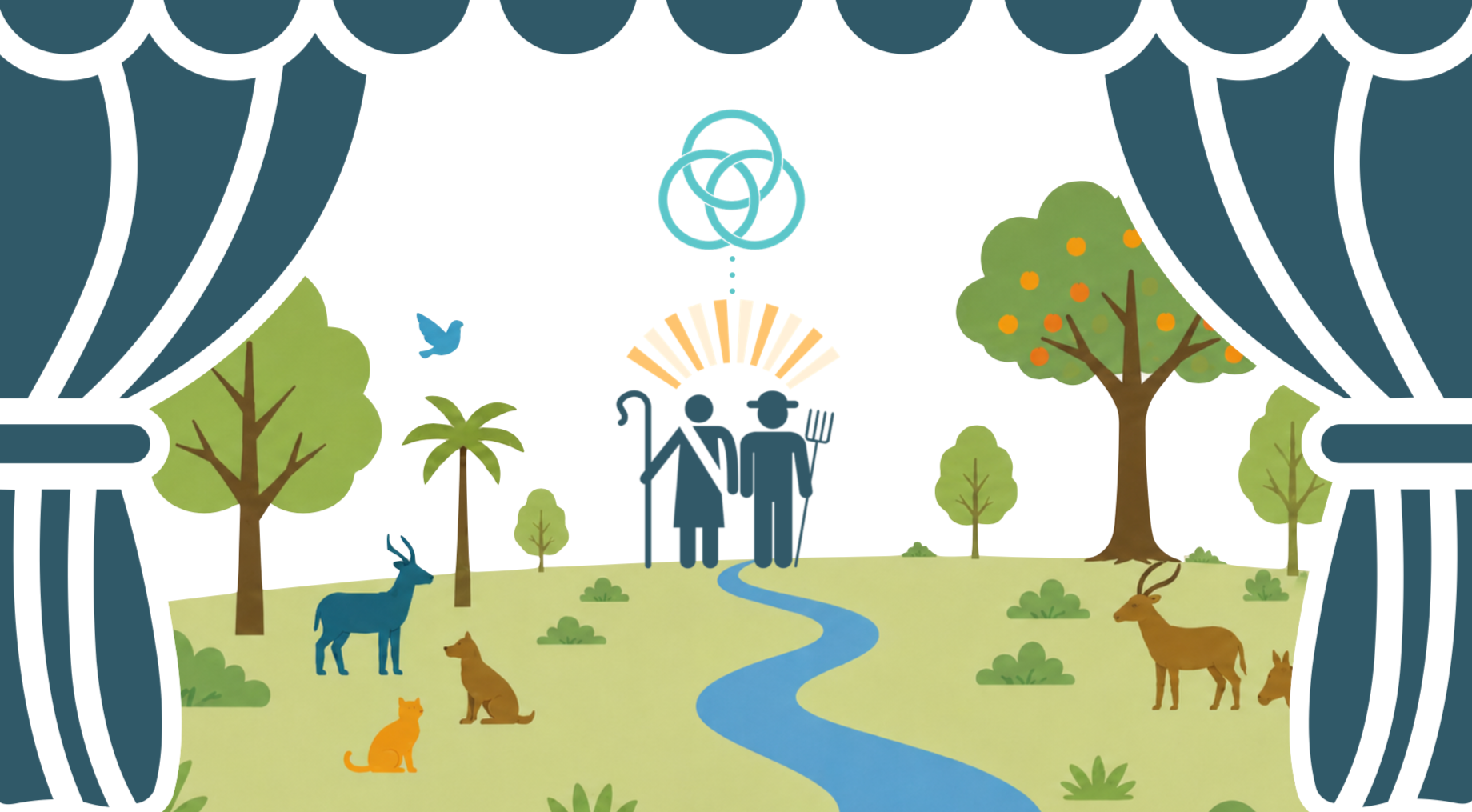
IV. How the Father’s Creation Mission Reshapes Our Mission
Understanding the Father's magnificent acts in creation reshapes how we understand God’s gospel, salvation, and mission.
A. First, it reshapes how we understand God’s gospel.
One of the first biblical truths in a clear presentation of the gospel is this: God created you to have a loving relationship with him and to flourish in this life and the next by living according to his purposes.
For many years, Bill Bright’s first Spiritual Law stated, “God loves you and has a wonderful plan for your life.” Though some theologians raised concerns about that wording, its worldwide appeal reflected a deeply biblical truth: God created us not only to know and enjoy him, but also to flourish by living according to his purposes for our lives.[15]
The good news of the gospel begins with the Father’s love revealed in creation. God is love (1 John 4:8), and in love he created the world and humanity as the crown of his creation—made in his image to know him, love him, enjoy him, and flourish in the fullness of life he designed for us.
That flourishing includes living for his purposes. We discover our deepest purpose by finding our story in God’s story, our mission in God’s mission, our plan in God’s plan, and God’s will for our lives within God’s will for the world.
B. Second, it reshapes how we understand God’s salvation.
Salvation at its core is re-creation—God reclaiming what sin and Satan have ruined, redeeming fallen humanity and creation from the curse, and restoring them toward his original purposes. As Herman Bavinck summarized, “Grace restores nature."[16]
This means that God’s saving grace restores what sin ruins. It not only reconciles us to God, but through that restored relationship renews our hearts and increasingly restores our relationships with ourselves, with others, and with the world—including our work, calling, and mission as his image bearers.
As we saw in Lesson One, God’s purpose in salvation is not only to forgive our sins so that we can go to heaven when we die—as important as that is. He also saves us from sin’s dominating and corrupting power over our hearts, which distorts all these relationships.
Salvation therefore moves toward the restoration and maturation of humanity according to God’s original design and mission. God does not save us simply to remove us from ordinary life, but to restore us within it so that, by his grace, we increasingly become the people he created us to be and fulfill the calling he gave humanity from the beginning.
C. Third, it reshapes how we understand God’s mission.
God’s creation mission and his redemptive mission to “make disciples of all nations” are not competing missions. They are distinct, yet inseparably related. Humanity’s rebellion made the redemptive mission necessary because sin corrupted the people through whom God’s creation mission was meant to advance.
Through the gospel, God redeems and restores fallen people to himself so that they can increasingly become the image bearers he created them to be. This is why the Great Commission calls us not merely to make converts, but to make disciples—people learning to live under Christ’s lordship in every area of life.
Biblical discipleship therefore includes our relationships, our work and calling, and the particular parts of God’s world entrusted to us. In this way, God’s redemptive mission restores his people so that they can once again participate in his creation mission.
Conclusion: The Mission Before the Rescue Mission
The Bible’s story begins with the Father’s magnificent acts in creation.
God created humanity good but not complete—with a perfect standing before him, pure hearts that loved him, and a perfect world filled with potential.
Then he gave humanity a mission: to mature as his image bearers, cultivate his world, and extend his presence, blessing, kingdom, and glory throughout the earth.
Before there was sin, there was mission. We were created to enjoy his presence, reflect his character, represent his rule, cultivate his world, and extend his blessing.
But in the next act, the image bearers commissioned to represent the King rebel against the King. Their perfect standing becomes guilty, their pure hearts become corrupt, and their perfect world becomes broken.
Act One shows us the way things were supposed to be. Act Two shows us why they are no longer that way.
FOOTNOTES
[1] Theologians have sometimes used the Latin expression Magnalia Dei, “the magnificent” or “wonderful works of God,” to describe God’s mighty acts in history. See Herman Bavinck, The Wonderful Works of God: Instruction in the Christian Religion according to the Reformed Confession, trans. Henry Zylstra (Westminster Seminary Press, 2019).
[2] This emphasis on the Father as Creator does not divide the work of the Trinity. The Father, Son, and Holy Spirit always work inseparably as the one true God. Scripture nevertheless presents distinguishable emphases within the triune economy: the Father creates through the Son and by the Spirit. See Gen. 1:1–2; Col. 1:15–17; Heb. 1:1–3.
[3] Genesis 1:26–28 closely associates humanity’s creation in God’s image with the commission to exercise dominion. The image bearer may therefore be understood as God’s royal representative or vice-regent, reflecting the King’s character and carrying out his purposes within creation.
[4] Adam and Eve were created with perfect innocence and acceptance before God, pure and rightly ordered hearts, whole bodies, harmonious relationships, and a fruitful creation. Their relationship with God overflowed into flourishing spiritually, physically, mentally, relationally, and vocationally.
[5] Augustine describes Adam’s original condition as posse non peccare, “able not to sin.” See Augustine, On Correction and Grace, 33.
[6] Herman Bavinck writes that Adam “stood not at the end but at the beginning of the road.” Herman Bavinck, Dogmatiek, 2:606.
[7] The Pathway Learning Faith and Work book and course by Steven Childers describes God’s good creation as possessing “deep, untapped potential for development” that human beings were called to cultivate through their work.
[8] Genesis 1 describes the earth broadly as dry land that God made fruitful and good (Gen. 1:9–13). Genesis 2 narrows the focus to Eden and then to the garden God planted within Eden (Gen. 2:8).
[9] Genesis 2:15 describes Adam’s calling “to work” and “keep” the garden. These terms include the ideas of cultivating or developing and preserving or guarding. Their later use in connection with priestly service contributes to the biblical understanding of Eden as sanctuary or sacred space.
[10] See Gen. 1:28; 2:15. Humanity’s calling to cultivate and guard creation establishes work as part of God’s good creation purposes rather than as a consequence of the Fall.
[11] The historic Christian expression Coram Deo captures this whole-life vision: living all of life before the face of God. As R. C. Sproul writes, “To live coram Deo is to live one’s entire life in the presence of God, under the authority of God, to the glory of God." Scripture presents worship both in a narrower sense—including prayer, praise, and the gathered worship of God’s people—and in a broader sense embracing all of life. Romans 12:1–8 describes “spiritual worship” not only as presenting ourselves to God but as using our God-given gifts in service to others; see also 1 Cor. 10:31; Col. 3:23–24. The historic Christian expression Coram Deo, “before the face of God,” captures this comprehensive understanding of worship. R. C. Sproul writes, “To live coram Deo is to live one’s entire life in the presence of God, under the authority of God, to the glory of God.” See R. C. Sproul, “What Does ‘Coram Deo’ Mean?,” Ligonier Ministries; see also John M. Frame, Worship in Spirit and Truth (Phillipsburg, NJ: P&R Publishing, 1996).
[12] Richard J. Mouw, Abraham Kuyper: A Short and Personal Introduction (Eerdmans, 2011). The illustration is used here as an imaginative description of the development of culture, not as an exposition of a specific biblical event.
[13] This helps explain why people who leave paid employment often continue serving, creating, mentoring, caring, or contributing in other ways. Retirement from paid employment may be appropriate; retirement from God’s calling to purposeful service is not the biblical vision of flourishing. The biblical pattern includes both work and rest. The Fourth Commandment not only commands Sabbath rest but also assumes a pattern of meaningful labor: “Six days you shall labor, and do all your work” (Exod. 20:9). The point is not that believers must remain in paid employment throughout life, but that purposeful service and stewardship remain part of humanity’s calling.
[14] The biblical command to exercise dominion requires an important qualification: dominion is not domination. Human authority over creation is entrusted, not owned. Image bearers have no right to exploit other people or creation for their own purposes. They are servants of the true King, called to exercise delegated authority according to his character and purposes.
[15] Bill Bright’s original First Spiritual Law, published in Campus Crusade for Christ’s Four Spiritual Laws booklet in 1965, read, “God loves you and has a wonderful plan for your life.” In 1976, Campus Crusade revised “has” to “offers,” helping address concerns in some Reformed and Calvinistic circles that the original wording could imply that every person already possesses God’s saving plan apart from repentance and faith. The point here is not that every person possesses the same saving plan, but that God created humanity for his purposes and calls people through the gospel to be reconciled to him and, in Christ, to live within his redemptive purposes for the world.
[16] Herman Bavinck, Reformed Dogmatics, vol. 3, Sin and Salvation in Christ, ed. John Bolt, trans. John Vriend (Baker Academic, 2006), 577. Bavinck’s formulation “grace restores nature” expresses the conviction that redemption does not abolish creation but restores it from sin toward God’s original purposes.
What in the World is God Doing—and How Can I Join Him?
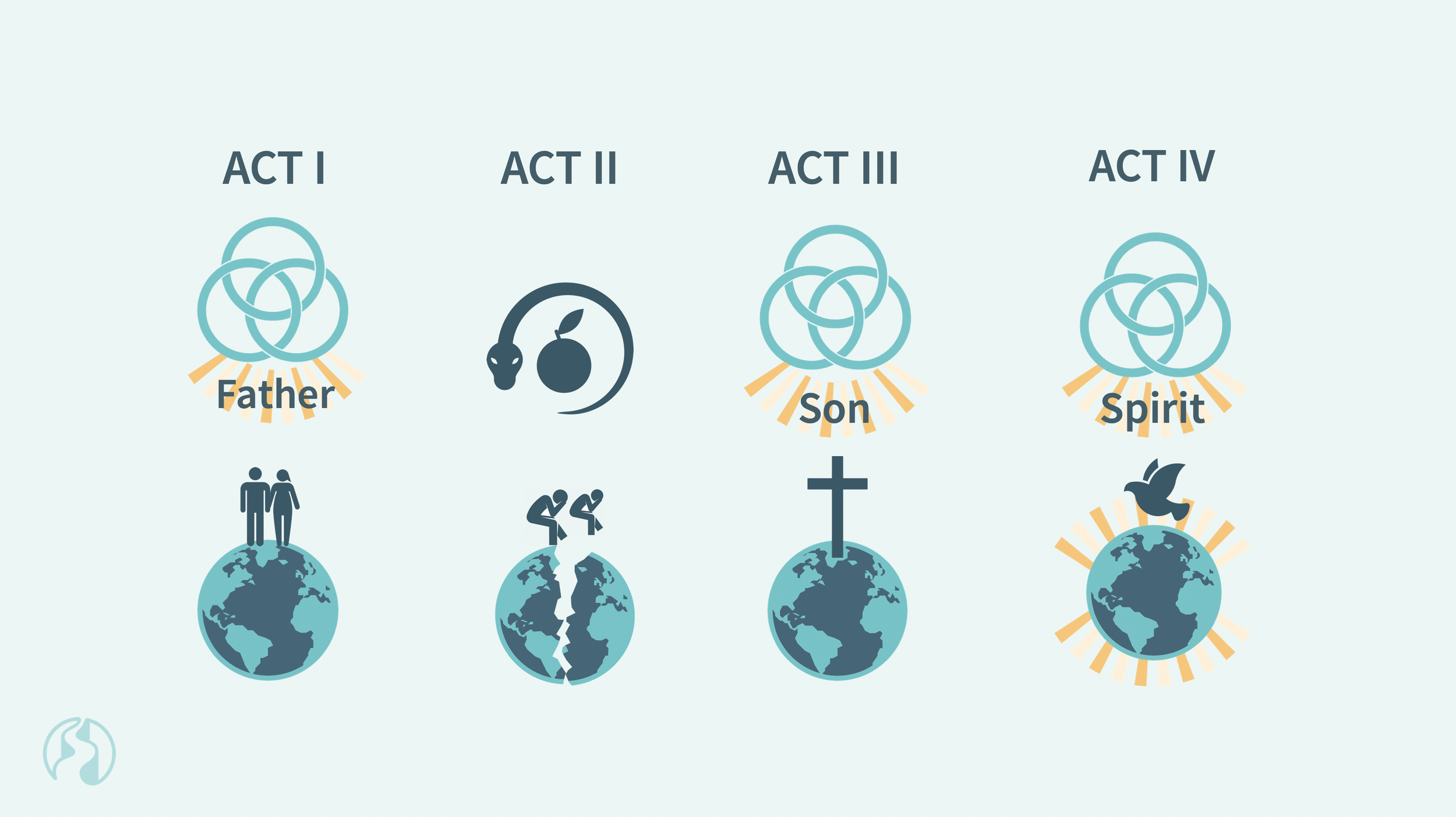
Introduction: What in the World is God Doing?
Viktor Frankl, the Austrian psychiatrist and Holocaust survivor, argued that our deepest need is not pleasure, possessions, or power, but meaning.
Even in the concentration camps, he saw people endure unimaginable suffering when they had something—or someone—worth living for.
Yet we often live by smaller stories centered on comfort, success, security, or personal fulfillment—good gifts that cannot bear the weight of our deepest hopes.
Jesus calls us into an upside-down kingdom in which we find life by no longer making ourselves its center. "Whoever loses his life for my sake and the gospel's will save it" (Mark 8:35).
When our smaller stories align with God’s greater story, the path may include sacrifice and loss—yet in surrendering to Christ and his mission, we discover a life no suffering can destroy.
You were created by God in his image. And if you're a follower of Christ, God is now recreating you by his Spirit for purposes far greater than yourself. Paul writes, “We are his workmanship, created in Christ Jesus for good works” (Eph. 2:10).
This raises the central question of this course: What in the world is God doing—and how can I join him?
During these six lessons, we will learn what God is doing in the world and how our lives can align with his purposes.
We'll learn from Scripture that God delights to manifest his presence and pour out his power on those who will dare to align their purposes more with his purposes for the world.
In this first lesson, we will see how the whole Bible reveals God’s grand story, how it unfolds through his magnificent acts, and how it can reshape our own.
I. The Whole Bible Reveals the Grand Story of God's Mission
A. The Bible reveals one grand story of God's mission.
We begin not with a few New Testament mission passages, but with the whole Bible. Though written by many human authors over generations, the Bible is one divinely inspired book with one divine Author, telling one unified story of God’s mission.[1]
This is why we must resist fragmenting the Bible into isolated stories, doctrines, and moral lessons.[2] As Edmund Clowney observed, we can know Bible doctrine and many Bible stories, but still miss the Bible Story.[3]
The Bible opens with a world without sin in Genesis 1–2 and closes with one restored in Revelation 21–22. Between those bookends unfolds the triune God’s mission to redeem and restore what humanity’s fall ruined.
Jesus taught us to read Scripture this way. After his resurrection, he showed his disciples how the Old Testament pointed to him and to God's mission through him to proclaim repentance and forgiveness in his name to all nations (Luke 24:27, 45–47).[4]
God’s mission, then, is not merely one biblical theme among many, but a central thread woven through the whole Bible. We need more than a biblical basis for missions; we need to read the whole Bible missionally—as the unfolding story of what God is doing in history.
B. This grand story reveals the true story of the whole world.
The Bible’s grand story does more than unite Scripture. It explains reality.
Everyone lives within a story that answers life’s deepest questions: Where did we come from? Why is the world broken? What will make things right? Where is history going? Where do we fit?
Many rival stories try to explain reality through human progress, political liberation, economic prosperity, personal fulfillment, scientific materialism, and more.
The Bible tells us that we were created by God, for God, and in his image; that humanity and creation were ruined by sin; and that God is redeeming and restoring his people and world through his Son and by his Spirit until Christ makes all things new
This story explains both the beauty and brokenness of the world, and both the dignity and depravity of humanity. It is not merely one religious story among many, but the true story of the whole world.[5]
Lesslie Newbigin told of a Hindu leader who urged missionaries not to present the Bible merely as another “book of religion.” What made it unique, he said, was that it interpreted universal history—the story of creation, humanity, and every person’s place within it.[6]
C. This Grand Story Draws Us In
And this is where the story becomes personal.
The Bible is not merely a religious story to understand. It is the true story of the world in which God calls you to find your identity, purpose, and place.[7] We cannot fully understand ourselves or find lasting fulfillment apart from the God who created us and the purposes for which he made us.[8]
Deep and lasting joy comes as we embrace what Tim Keller calls “the freedom of self-forgetfulness” and align our smaller story with God’s greater story—our purpose with his purpose, and our mission with his.[9]
II. The Grand Story Reveals the Magnificent Acts of God in Mission
The Bible’s grand story unfolds through a series of magnificent acts in which the triune God carries forward his mission for humanity and the world. Although the Father, Son, and Spirit always work inseparably, Scripture gives special prominence to the Father in creation, the Son in redemption, and the Spirit in restoration.
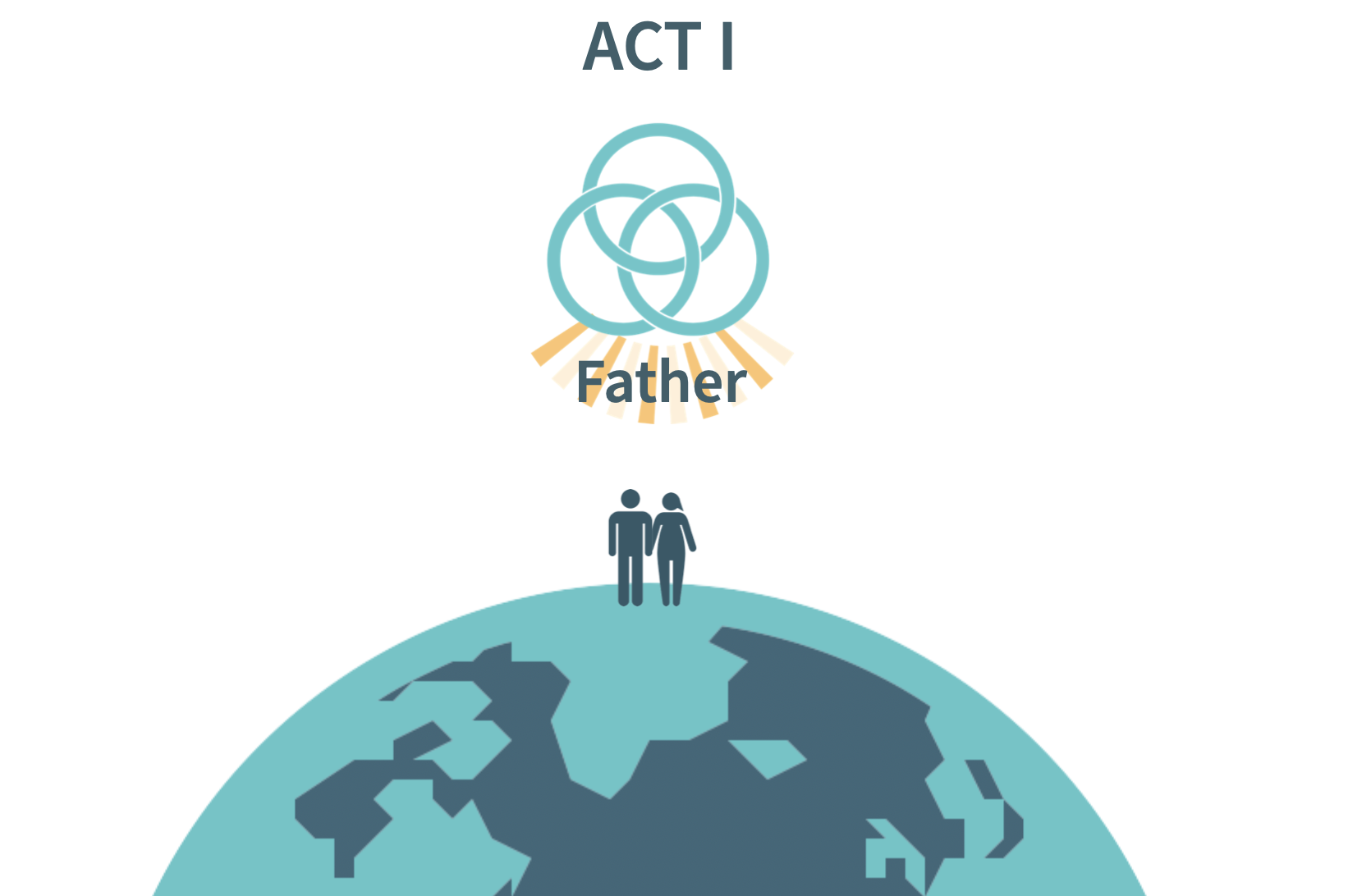
Act One: The Magnificent Acts of the Father in Creation
Many assume God’s mission begins with Jesus' Great Commission in Matthew 28. It doesn’t. God’s first commission comes in Genesis 1–2—before the Fall, Israel, or Christ.
And here is what surprises many: when God finished creating humanity and the world, both were good, but neither was complete. Humanity had not reached full maturity, and creation had also not reached its full potential under humanity’s influence.
This incompleteness was not a flaw in humanity or creation — it was why God gave humanity his mission for them and the world. As his image-bearing representatives, they were to “be fruitful and multiply and fill the earth and subdue it” (Gen. 1:28).
God called them to enjoy his presence, reflect his character, represent his gracious rule, and extend his blessing throughout creation. In other words, God’s original mission was to glorify his name by causing his kingdom to come throughout his creation through his people by the power of his Spirit.
In Lesson two we'll see how this original mission still defines our calling and mission today. God has sovereignly placed you within particular relationships, vocations, communities, and spheres of influence where you are called to make his invisible kingdom increasingly visible.
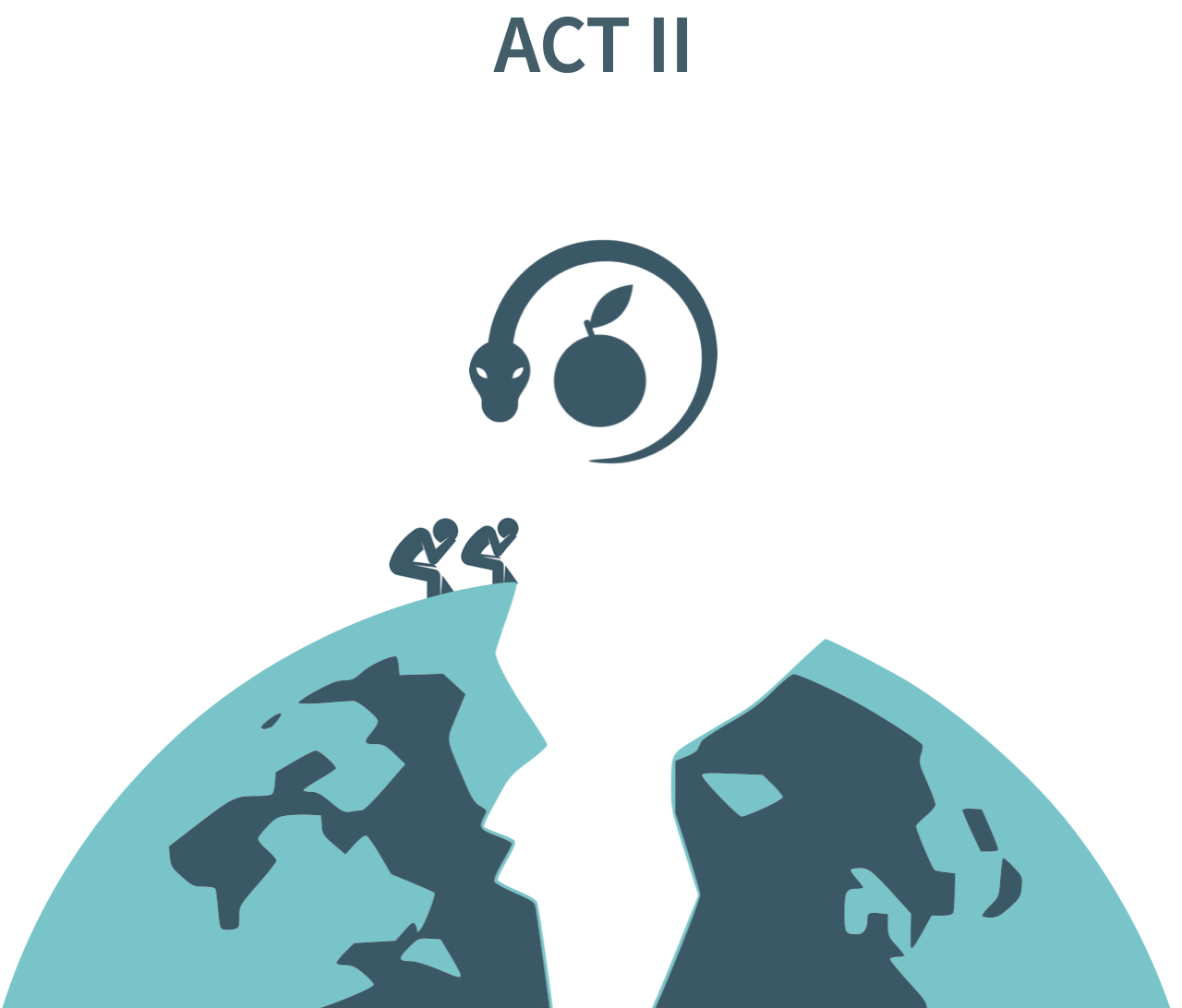
Act Two: The Rebellious Acts of Humanity in the Fall
The second act opens with catastrophe, as Satan enters the drama to overthrow God's mission by tempting Adam and Eve to reject his lordship. And the effects are far greater than many realize.
The Fall did not merely break our relationship with God; it corrupted humanity, disordered the world, and radically distorted humanity’s role in God’s mission.
The depth of our understanding of the Fall directly shapes the depth of our understanding and experience of God’s salvation—and therefore of God’s mission. Martin Luther captured the principle memorably: “If you see yourself as a little sinner, then you will see Jesus as a little Savior.”
In Lesson 3, we will see that humanity’s rebellion left us with a double problem: we lost our innocent standing and the purity of our hearts. Innocence became guilt, and pure hearts became corrupt and idolatrous hearts. This is why the old hymn, "Rock of Ages" speaks of how our sin needs a “double cure”—cleansing us from both its guilt and its power over our hearts.
But the Fall reached even further. Humanity was not the only thing corrupted. God’s good world was subjected to frustration, suffering, death, and the tyrannical rule of Satan—the one Jesus calls “the ruler of this world.”
Instead of using their God-given influence to extend his gracious rule, fallen humanity began building rival kingdoms for its own glory. Yet God’s mission was thwarted, not abandoned. What he chooses to do next is nothing less than astonishing grace.
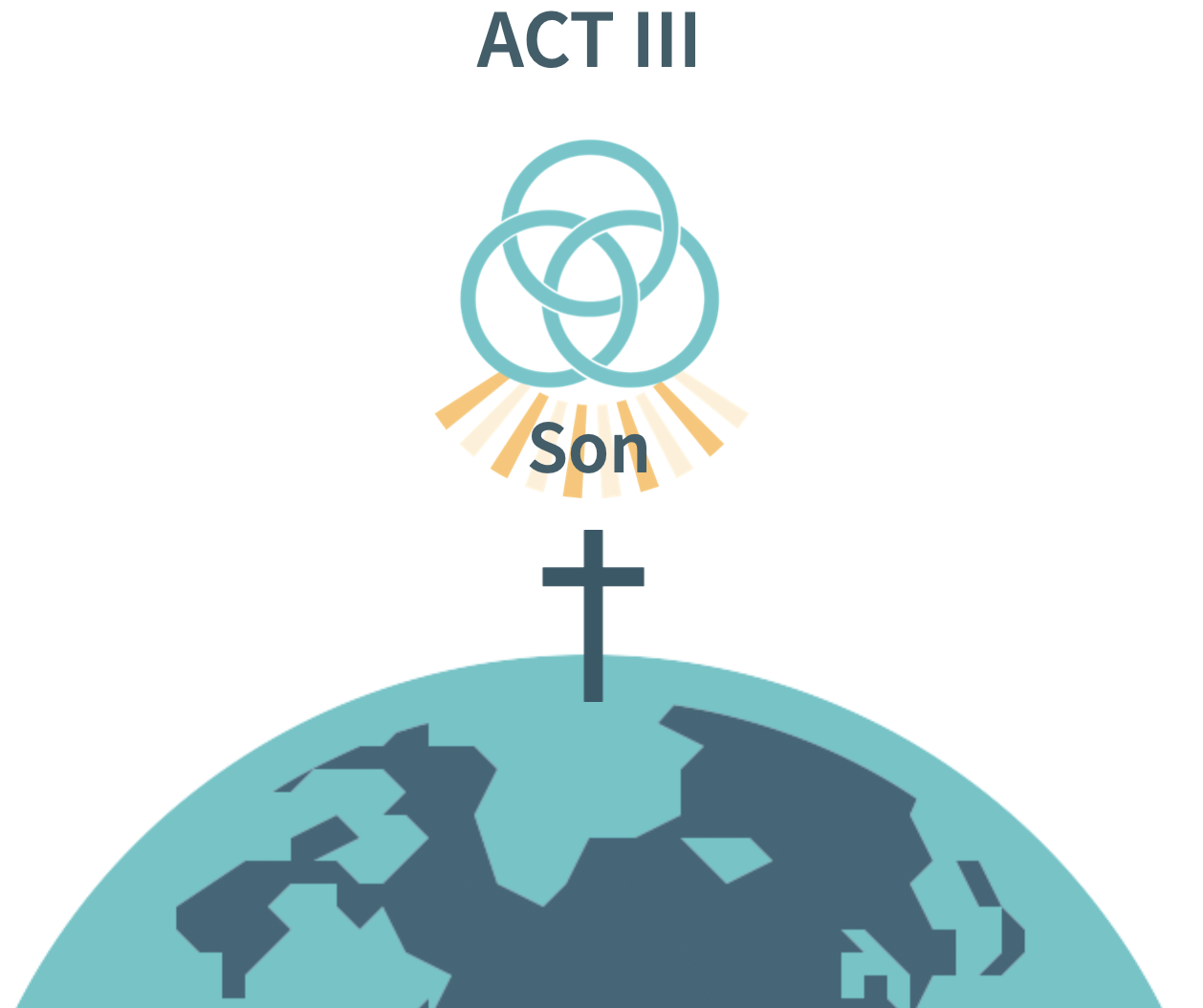
Act Three: The Magnificent Acts of the Son in Redemption
The third act opens with astonishing grace. Even in judgment, he promises a Redeemer who will defeat the serpent and rescue his fallen people and world (Gen. 3:15).
In Lesson 4, we'll discover that the Son’s redemptive work is far greater than many realize. Long before his incarnation, the eternal Son was at work redeeming Israel through God’s covenants and promises, all pointing toward a Redeemer King still to come.[10]
Then, in the fullness of time, that redemptive work reaches its climax as the eternal Son takes on humanity and extends salvation to every nation.
The cross stands at the center of the Son's magnificent acts as Redeemer, but it does not stand alone. His incarnation and birth, perfect life, sacrificial death, resurrection, and ascension reveal not only what Jesus did, but who he is—Savior and Lord.
But humanity is not the only captive needing rescue. The world itself lies under Satan’s tyrannical rule. At the cross, Jesus strikes the decisive blow against the powers of darkness: what appears to be Satan’s greatest victory becomes his greatest defeat as Christ triumphs over him Col. 2:15).[11]
His redemption is therefore not only personal but cosmic. Satan is defeated, but not destroyed. Death is conquered but not yet removed. The new creation has begun but has not yet filled the earth.[12]
This prepares the stage for the final act, in which the Holy Spirit applies the Son’s completed redemption and carries God’s mission toward its appointed fullness.
Act Four: The Magnificent Acts of the Spirit in Restoration
The final act begins at Pentecost, when the risen and ascended Christ pours out his promised Holy Spirit. The Son has accomplished redemption; now the Spirit applies that redemption, restores God’s people and world, and carries God’s mission toward its appointed fullness.
This act unfolds in two great scenes—and because both are so important, we will devote a full lesson to each.
Scene One: The Proclaimed Kingdom—Already
Lesson 5 will begin with a simple but important question: Where are we now in the unfolding drama of God’s mission? Pentecost gives us the answer. The risen Christ has been enthroned at the Father’s right hand and has poured out the Spirit upon his people. The age Scripture calls “the last days” has begun, and this is the part of the story in which we now live.
We will see how the Spirit applies the redemption accomplished by Christ by beginning to reverse the curse of the Fall. He gives God’s people a new standing before him through forgiveness and righteousness, a new heart through regeneration and indwelling, and the promise and
firstfruits of a new world.
In this way, the Spirit forms the church as the firstfruits of God’s new humanity, gathering people from every tribe, language, people, and nation into one body under one Lord.
But the Spirit does not merely gather God’s people out of the world—he sends them back into it. Through the church, the risen Christ continues his redemptive mission as his people obey the Great Commission by making disciples of all nations, calling others to repentance and faith, and restoring them to fellowship with God through Christ.
This redemptive mission also restores God’s people to their original creation mission. Redeemed by the Son and renewed by the Spirit, they are once again called to glorify God by reflecting his character, representing his gracious rule, and advancing his kingdom in every sphere of life.
Gathered for worship and scattered throughout daily life, God’s people enter their relationships, vocations, neighborhoods, and communities as salt and light—making Christ’s invisible kingdom increasingly visible through their witness, service, mercy, justice, and obedience.
This is the remarkable tension of the age in which we live: Christ reigns, the Spirit is at work, and the kingdom is truly present—yet not complete. Sin, suffering, injustice, and death remain.
In Lesson 5, we will see more clearly what it means to live faithfully in this “already, but not yet” kingdom—and how our lives fit into God’s mission today.
Scene Two: The Coming Kingdom—Not Yet
Lesson 6 takes us to the climactic final scene of the biblical drama: Christ’s return and the restoration of all things by the power of his Spirit. Many Christians assume our final destiny is to leave creation behind and spend eternity in heaven as disembodied spirits. But Scripture gives us a far greater hope.
When Christ returns, Satan, sin, and death will finally be defeated. The dead will be raised, God’s redeemed people will receive glorified bodies, and creation itself will be liberated
from its bondage to corruption.[13]
Our final destiny is not an escape from creation, but life with God in a renewed creation. Heaven and earth will be united. God will dwell with his people, suffering and death will be no more, and the One seated on the throne will declare, “Behold, I am making all things new” (Rev. 21:5).
And here we will discover another surprising truth: when God’s redemptive mission is completed, God’s original creation mission will not end. Instead, the mission introduced in Act One will finally be restored and fulfilled without opposition.
The new creation will be perfect, but like God’s original creation, it will not be static or exhausted.
Redeemed humanity will continue to grow in the knowledge and love of God, deepen in love for one another, develop our God-given capacities, and cultivate the renewed world entrusted to us. We will joyfully serve, create, discover, reign, and flourish under Christ’s lordship forever.
At last, humanity will fulfill God’s original mission without sin, Satan, or death opposing it: glorifying his name by making his invisible kingdom visible throughout creation through his people
by the power of his Spirit.
And this future is meant to reshape how we live now. Once we understand what God is preparing us to do forever in renewed bodies on a renewed earth, we are meant to connect the dots. The life of the coming kingdom is not merely something we wait for; it is something we begin to embody now.
By the Spirit, our lives today are meant to become a foretaste of the world to come. The mission we will fulfill forever is the mission we are called to begin living now.
III. How God’s Story Reshapes Our Stories
God’s magnificent acts are not merely events to understand. They reveal who the triune God is, what he is doing in the world, and how our lives can be transformed as we find our place within his unfolding story.
In the lessons ahead, we will view each act through three practical lenses, asking how God’s unfolding mission deepens our understanding and experience of three biblical realities: God’s gospel, God’s salvation, and God’s mission.
A. God’s Gospel
God’s unfolding mission deepens our understanding and experience of the gospel by showing us that it is far greater than many Christians realize. It is not only the good news of who Jesus is and what he has done, but also the good news of who the triune God is and what he is doing.
The cosmic good news is that the Father’s creation, ruined by humanity’s fall, has been redeemed by his Son and is being restored by his Spirit into the eternal kingdom of God on earth.
And this cosmic gospel is also deeply personal. It is the good news that the Father so loved the world that he sent his Son to redeem us and promises all who trust in him forgiveness of sins and the gift of his indwelling Spirit, who restores us to God and increasingly into the fullness of life and his original mission for which he created us.
B. God's Salvation
God’s unfolding mission also helps us deepen our understanding and experience of salvation by showing us that it is more than forgiveness or the promise of heaven after death—as glorious as those truths are. Salvation includes God’s work of restoring everything the Fall has broken.
Augustine described God as our “Creator and Re-Creator,” while Herman Bavinck summarized this biblical vision in the memorable words, “Grace restores nature.” God’s grace does not rescue us from creation, but from sin, so that humanity and creation may become what God always intended them to be.
C. God's Mission
Studying God’s unfolding mission in Scripture will also deepen your understanding and experience of mission by showing that it is far greater than making disciples alone—as central as the Great Commission is. God’s redemptive mission serves the larger purpose of restoring his people to the original mission he gave humanity at creation.
Jesus’ Great Commission tells the church what to do: make disciples of all nations. But the prayer Jesus taught us reveals the greater purpose behind that mission: that the Father’s name would be hallowed, his kingdom would come, and his will would be done on earth as it is in heaven.
So throughout the course, we will keep asking how each act of God in history deepens our understanding and experience of God's gospel, God's salvation, and God's mission—not merely so that we better understand God’s story, but so that we are drawn into it and find our place within it.
Conclusion: Serving God’s Purpose in Our Generation
This is where the purpose of this course becomes deeply personal, rooted in one central truth:
“God delights to manifest his presence and pour out his power on those who will dare to align their life mission with his mission for the world.”
Paul said of David that “after he had served the purpose of God in his own generation, [he] fell asleep” --meaning then he died (Acts 13:36). Like David, each of us has been given a brief span of life in which to serve God’s purposes.
Jesus gives us the greatest example. Near the end of his earthly life, he prayed, “I glorified you on earth, having accomplished the work that you gave me to do” (John 17:4). What greater hope could we have than to reach the end of our lives able to pray something similar?
When I was in my early twenties, an elderly pastor mentored me. I can still hear him saying, “Steve, never forget: Only one life will soon be past; only what’s done for Christ will last.”
You are not alive at this moment in history by chance. The God who created you is now recreating you in Christ so that you may find your place in his story, make his mission your mission, and serve his purposes in the time left he has entrusted to you.
So the question is not merely, “What in the world is God doing? The question is also, “Will you join him?”
FOOTNOTES
[1] The Bible is not a hodgepodge of disconnected stories, doctrines, and moral lessons that we must arrange into a coherent whole. Kevin Vanhoozer describes this traditional approach to theology when he writes, “For large swaths of the Western tradition, the task of theology consisted in mining propositional nuggets from the biblical deposit of truth. Kevin J. Vanhoozer, “Lost in Interpretation? Truth, Scripture, and Hermeneutics,” Journal of the Evangelical Theological Society 48, no. 1 (March 2005): 94.
[2] Michael Goheen warns: We have fragmented the Bible into bits … moral bits, systematic-theological bits, devotional bits, narrative bits, and sermon bits. And when the Bible is broken up in this way there is no comprehensive grand narrative to withstand the power of the comprehensive humanist narrative that shapes our culture. Michael W. Goheen, Reading the Bible Missionally (Eerdmans, 2016). See also Craig G. Bartholomew and Michael W. Goheen, The Drama of Scripture: Finding Our Place in the Biblical Story, 2nd ed. (Baker Academic, 2014).
[3] Edmund Clowney writes, "The Bible is much more than William How stated: ‘a golden casket where gems of truth are stored.’ It is more than a bewildering collection of oracles, proverbs, poems, architectural directions, annals, and prophecies. The Bible has a story line. It traces an unfolding drama .... The story is God’s story. It describes His work to rescue rebels from their folly, guilt, and ruin.... Only God’s revelation can build a story where the end is anticipated from the beginning, and where the guiding principle is not chance or fate, but a promise. Human authors may build fiction around a plot they have devised, but only God can shape history to a real and ultimate purpose." Edmund P. Clowney, The Unfolding Mystery: Discovering Christ in the Old Testament, 2nd ed. (P&R Publishing, 2013), 12–13.
[4] Jesus’ teaching in Luke 24 shows that the Old Testament must be read not only Christologically but also Missionally. See also John 5:39; Luke 24:27, 44–47.
[5] This is why Christian mission does not call people merely to adopt a new religion, as though faith belonged only to the sacred or private part of life. The gospel calls us to turn from every rival story and bring every sphere of life under the lordship of Christ. As Abraham Kuyper famously declared, “There is not a square inch in the whole domain of our human existence over which Christ, who is Sovereign over all, does not cry: ‘Mine!’” Herman Bavinck expresses the same comprehensive vision in his teaching that grace does not destroy nature but restores it. In other words, Christ’s redeeming work does not remove us from God’s created world, but restores us and the world according to God’s original design. See Abraham Kuyper, “Sphere Sovereignty,” in Abraham Kuyper: A Centennial Reader, ed. James D. Bratt (Grand Rapids: Eerdmans, 1998), 488; Herman Bavinck, Reformed Dogmatics, vol. 3, Sin and Salvation in Christ, ed. John Bolt, trans. John Vriend (Grand Rapids: Baker Academic, 2006), 577; Herman Bavinck, Reformed Dogmatics, vol. 4, Holy Spirit, Church, and New Creation, ed. John Bolt, trans. John Vriend (Grand Rapids: Baker Academic, 2008), 715–20.
[6] Lesslie Newbigin, A Walk Through the Bible (Regent College Publishing, 2005), 4. Newbigin tells the story of a Hindu leader in India who revealed their understanding of this when he challenged missionaries; “I can’t understand why you missionaries present the Bible to us in India as a book of religion. It is not a book of religion—and anyway we have plenty of books of religion in India. We don’t need any more! I find in your Bible a unique interpretation of universal history, the history of the whole of creation and the history of the human race. And therefore a unique interpretation of the human person as a responsible actor in history. That is unique. There is nothing else in the whole religious literature of the world to put alongside it.”
[7] This is why the biblical story continues to resonate across all cultures and generations. It is not a fairy tale, but it has given birth to thousands of fairy tales. All the themes found in humanity's greatest stories—a true king, a lost kingdom, a heroic deliverer, sacrificial love, exile and homecoming, death and resurrection, and a final happy ending—echo the deeper realities revealed in Scripture.
[8] Augustine captured this reality when he wrote, "You have made us for yourself, O Lord, and our hearts are restless until they rest in you." The French physicist Blaise Pascal similarly observed that every human heart contains a longing that only God can satisfy. John Piper has popularized Jonathan Edwards’s thesis that “God is most glorified in us when we are most satisfied in him.” At its core, this means learning to find your ultimate satisfaction and joy not only in who God is—his attributes—but also by participating in what God does: his magnificent acts and unfolding purpose for the world.” See Augustine, Confessions, trans. Henry Chadwick (Oxford: Oxford University Press, 1991), 3; Blaise Pascal, Pensées, trans. A. J. Krailsheimer (London: Penguin Books, 1995), 45; Jonathan Edwards, The End for Which God Created the World, in God’s Passion for His Glory, ed. John Piper (Wheaton, IL: Crossway, 1998); John Piper, Desiring God: Meditations of a Christian Hedonist, rev. ed. (Sisters, OR: Multnomah, 2003), 18.
[9] As C. S. Lewis writes, “Aim at Heaven and you will get earth ‘thrown in’: aim at earth and you will get neither.” See Augustine, Confessions, trans. Henry Chadwick (Oxford University Press, 1991), 3 (1.1.1). See Timothy Keller, The Freedom of Self-Forgetfulness: The Path to True Christian Joy (10Publishing, 2012); C. S. Lewis, Mere Christianity (HarperOne, 2001), bk. 3, chap. 10, “Hope.”
[10] Jesus taught that the Old Testament Scriptures revealed both himself and God’s unfolding mission. Jude even identifies Jesus as the one who delivered Israel from Egypt, while Paul writes that the spiritual Rock accompanying Israel was Christ (Jude 5; 1 Cor. 10:4).
[11] Like the White Witch in C. S. Lewis’s The Lion, the Witch and the Wardrobe, he mistakes sacrificial death for final victory. Yet Christ’s resurrection reveals a deeper triumph: death itself becomes the means through which the enemy’s power is broken.
[12] Like the Allied landing at Normandy in World War II, Christ’s victory has determined the outcome (D-Day) even though the battle continues. Satan is defeated but still active. Death is conquered but not yet removed. The new creation has begun but has not yet filled the earth. In the final act, we will see the parallel to VE-Day, when Christ’s decisive victory is brought to its final consummation.
[13] As Paul writes, creation now “waits with eager longing” and will one day be “set free from its bondage to corruption” to share in the freedom and glory of God’s children (Rom. 8:19, 21). The restoration of God’s people and the restoration of his world therefore belong together.