
Humanity’s Rebellious Acts in The Fall
The Mission of God: Lesson Three
By Steven L. Childers
Listen to the Audio
Want to go deeper? Take the Learning Path.
What is a Learning Path?
A Learning Path is a guided sequence of ten practical steps designed to move you beyond simply understanding biblical truth toward applying it to your mind, heart, and life with others. They include the full lecture transcript with academic footnotes, reflection and discussion questions, a prayer guide, an interactive quiz with answers, hymns for worship, recommended books, and more to help you go deeper.
You can use the Learning Path on your own for personal study—or, even better, invite a friend, spouse, mentor, or small group to walk through the ten steps with you. Better still, consider leading the group yourself. You don't need to be a trained teacher; you simply need to be one step ahead, guiding others through what you've already begun to learn.
Why learn with others—and even more, why lead? Because truth deepens when shared, and nothing teaches us like teaching others. As Seneca said, "While we teach, we learn."
Read the Article (Presentation Notes)
Introduction: Things Are Not the Way They’re Supposed to Be
Martin Luther once made a penetrating observation: if you see yourself as a little sinner, you will see Jesus as a little Savior.
That principle reaches far beyond our personal salvation. The degree to which we understand what humanity’s rebellion actually did to us and to the world will shape the degree to which we understand the greatness of God’s salvation—and the nature of his mission that follows.
Act Two is therefore essential.
Humanity’s Fall did far more than give us a bad record before God. It left us with corrupt, idolatrous hearts, alienated us from God, brought the world under the curse and Satan’s influence, and distorted the very mission God gave humanity.
Before we can understand the astonishing grace of what God does in the next Act III—and how his redemptive mission revealed in that next act relates to his original creation mission revealed in the last act—we must first understand how deeply humanity’s rebellion changed everything.
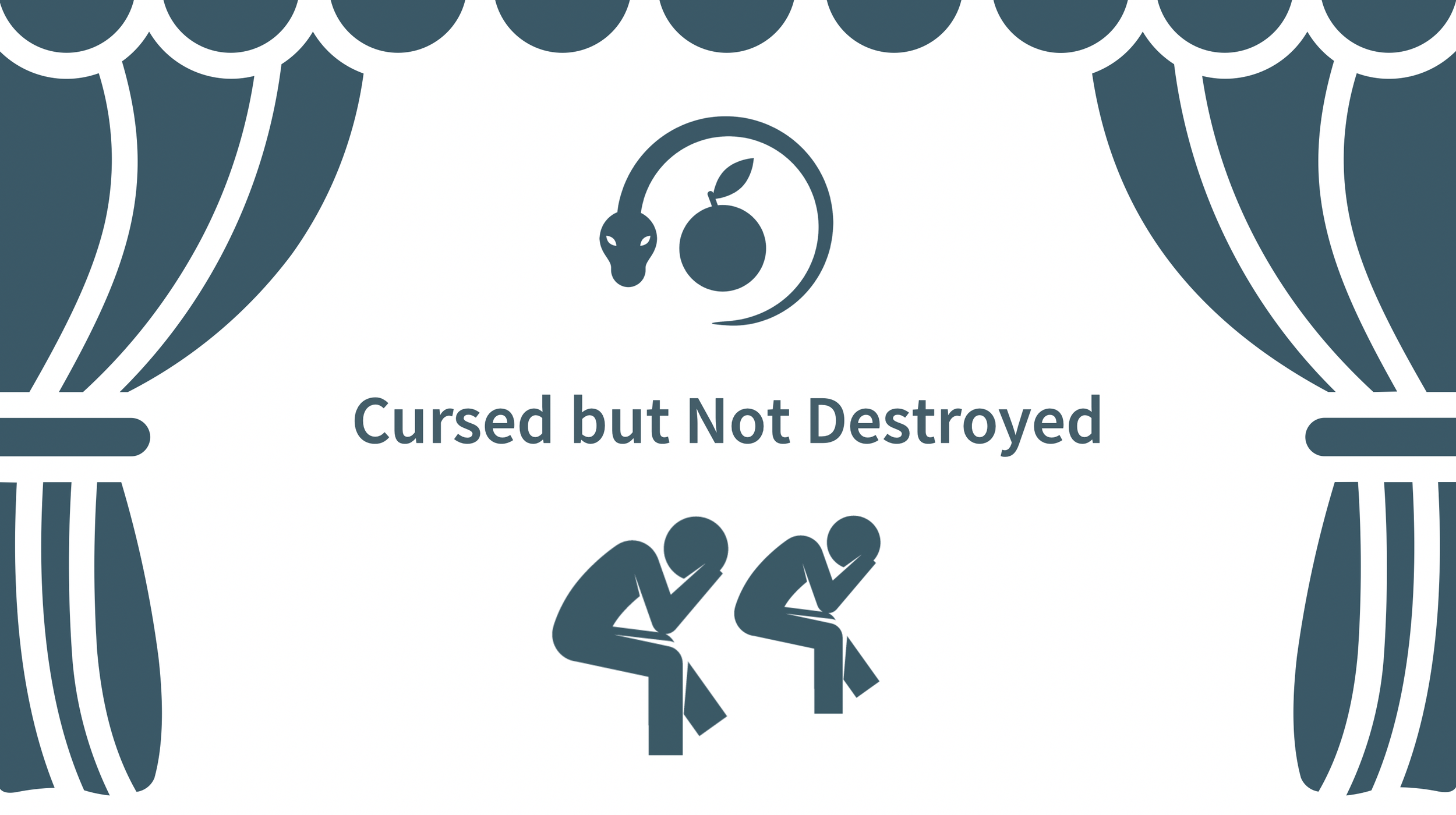
I. Humanity Rebels Against the Father: Cursed but Not Destroyed
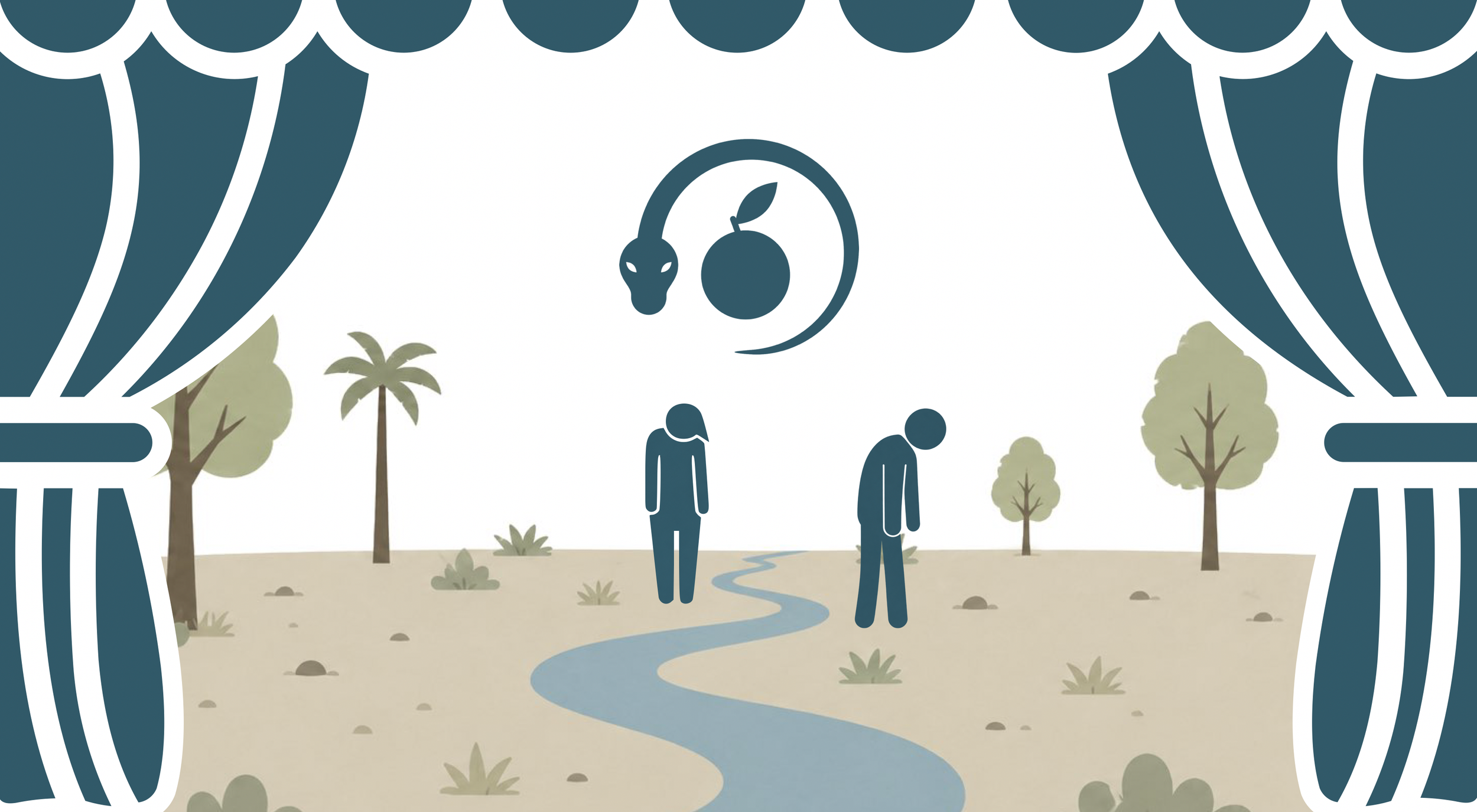
Satan’s temptation was far more than an invitation to eat forbidden fruit. It was an assault against the Father’s mission by turning God’s image bearers against their King.
Adam and Eve distrusted God’s goodness, rejected his word, and sought life, wisdom, and glory apart from him. Instead of living under God’s gracious rule, they claimed the right to determine good and evil for themselves.[1] Their rebellion brought humanity under God’s just curse.
The Fall reversed two great blessings humanity received in creation.
First, our perfect standing became a condemned standing. We now have what we might call a bad record before God. Adam’s “one trespass led to condemnation for all men” (Rom. 5:18). Our problem is therefore not merely that we sometimes do wrong things. We stand guilty before a holy and righteous Judge.[2]
Second, our pure hearts became corrupt hearts. Sin did not merely change our record; it changed us. Jesus teaches that our outward sins arise “from within, out of the heart of man” (Mark 7:21).
This brings us to one of the most practical truths about the Fall: our core heart problem is idolatry—the sin beneath our sins.[3]
We were created as worshipers, designed to find our deepest happiness, identity, security, and significance in God. But fallen hearts redirect those desires toward created things. And this is important: the desires themselves are often not wrong. Approval, success, comfort, control, pleasure, relationships, family, work, and ministry can all be good gifts from God.
The problem comes when we turn good things into ultimate things—when we look to the gifts to give us what only the Giver can ultimately provide. Then our loves become disordered and our hearts become captured by idols.
So beneath many of our visible sins is a deeper question: What am I wanting, trusting, loving, or fearing so much that it has become more important to me than God?
Our condemned standing and corrupt heart result in alienation from God. And that alienation flows like a polluted river into our relationships with ourselves, with others, and with the world God entrusted to us.[4]
Yet though humanity is cursed, it is not destroyed. We remain God’s image bearers with real dignity and God-given capacities, even though every dimension of our lives has been corrupted by sin.
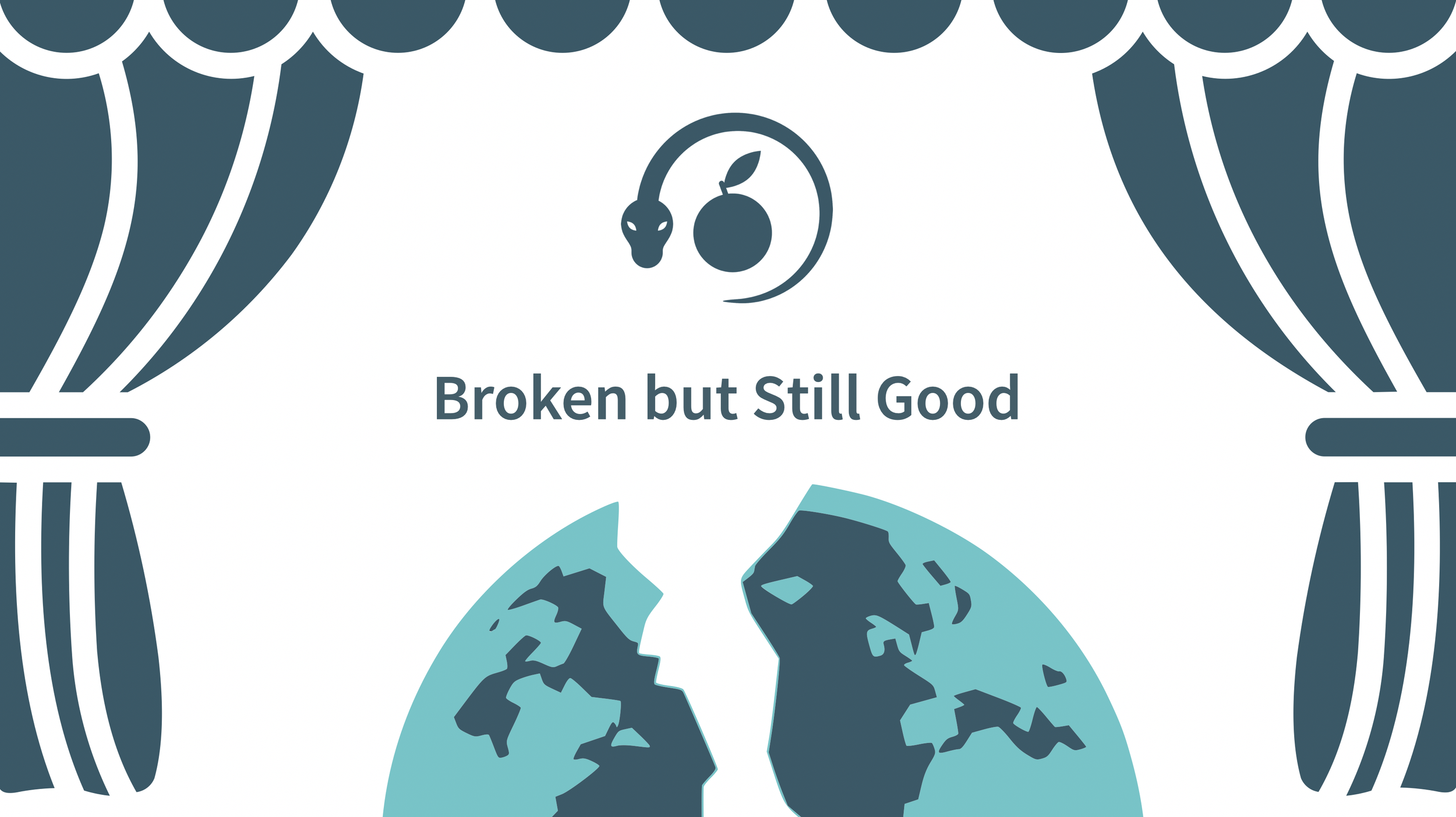
II. Humanity’s Rebellion Curses the World: Broken but Still Good
The Fall did not corrupt humanity alone. It brought the whole world under the influence of a new tyrannical ruler.
Jesus repeatedly calls Satan “the ruler of this world” (John 12:31; 14:30), and the apostle John writes that “the whole world lies in the power of the evil one” (1 John 5:19). This does not mean that Satan replaced God as the supreme ruler of creation. God remained—and remains—the sovereign Lord over all things, including Satan. But in his judgment, God allowed Satan to exercise a real, temporary, and subordinate rule over the fallen world.
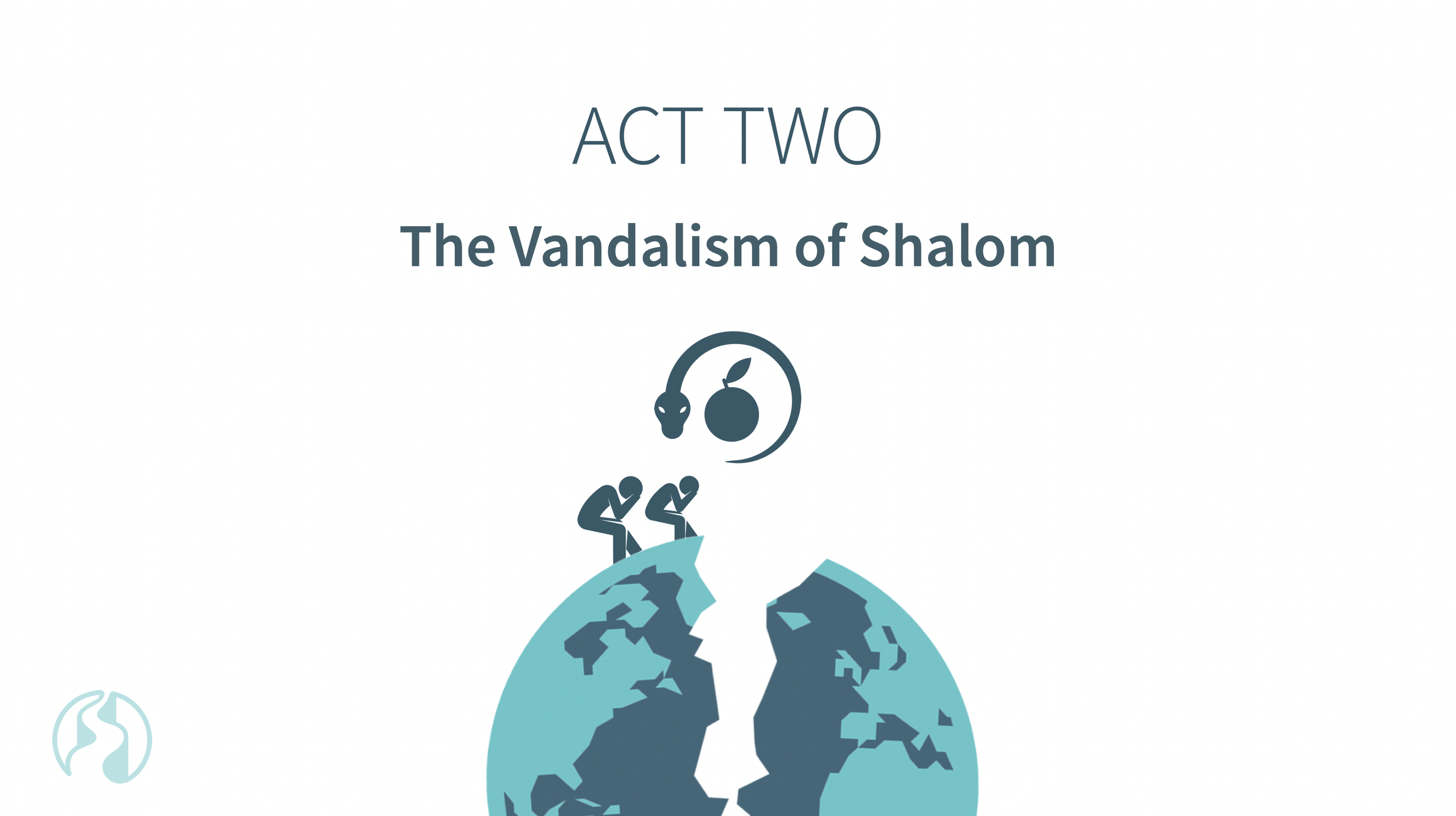
This was a cosmic coup. The evil one who had deceived humanity now became the great vandal of God’s good world.
Cornelius Plantinga describes sin as the “vandalism of shalom.” The peace, wholeness, beauty, justice, harmony, and flourishing of creation were violently defaced.[5] The perfect world became a broken world. The ground produced thorns and thistles. Work became painful and frustrating. Human bodies became subject to weakness, sickness, decay, and death. Creation itself was “subjected to futility” and now groans in “bondage to corruption” (Rom. 8:20–22).[6]
Satan carries out much of this vandalism through fallen, idolatrous image bearers. The people created to cultivate and bless God’s world now become instruments through whom disorder, exploitation, injustice, violence, and curse spread throughout it.
Yet the world is broken, not destroyed.
Marriage, family, work, government, education, art, technology, and culture remain good gifts from God, though deeply corrupted by sin. Through his common grace, God preserves their goodness, restrains evil, and refuses to surrender either his world or his mission.
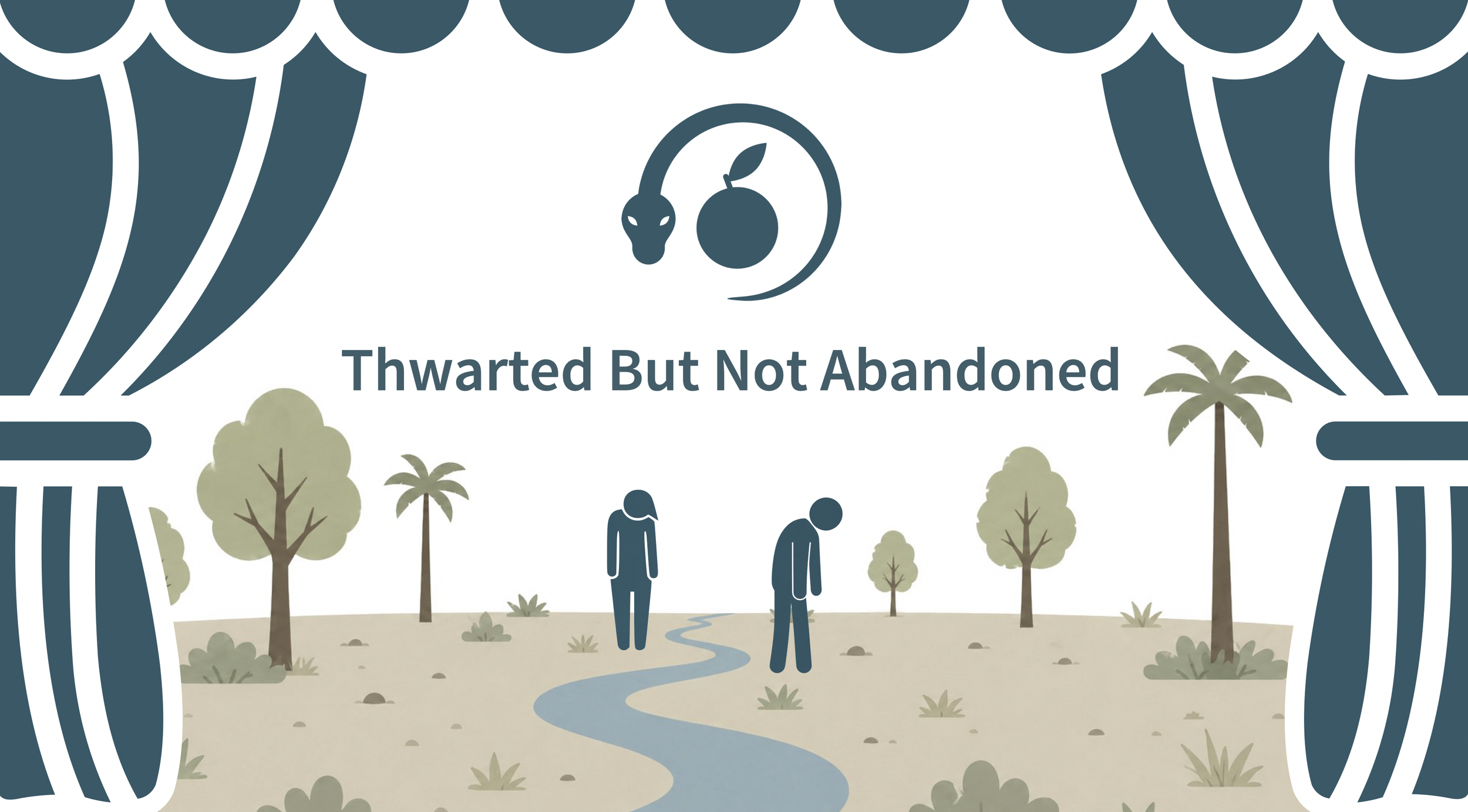
III. Humanity Distorts the Father’s Mission: Thwarted but Not Abandoned
The Fall did not erase humanity’s creation mandate. It distorted and redirected it.
Human beings still multiply, cultivate, create, build, and exercise influence. We remain image bearers with God-given gifts and capacities.
But instead of using those gifts to enjoy God’s presence, reflect his character, represent his gracious rule, cultivate his world, and extend his blessing, fallen humanity increasingly uses them to establish rival kingdoms.
Rather than advancing God's rule so that the earth is filled with God’s name and glory, humanity seeks its own name and glory.
Genesis 4 records the development of cities, agriculture, music, and technology alongside polygamy, vengeance, and violence. At Babel, humanity’s distorted mission becomes explicit: “Let us make a name for ourselves” (Gen. 11:4).
Sin therefore corrupts the cultural development of the world without making culture itself evil. Humanity continues exercising its creation mandate, but now toward idolatrous ends. Under Satan’s influence, the very capacities God gave humanity to cultivate and bless his world are bent toward self-glory, rival kingdoms, and rebellion against God.
But humanity’s distortion of its mission does not mean the Father has abandoned his.
Here we reach a critical turning point in the grand story of God’s mission. Humanity’s rebellion made a new redemptive mission necessary: fallen humanity and the broken world must now be rescued, redeemed, and restored from God’s curse and Satan’s rule, if God’s original creation mission is to continue.
God’s creation mission and redemptive mission are therefore distinct, yet inseparably related. The redemptive mission became necessary because sin corrupted the people through whom the creation mission was meant to advance.
And here is the astonishing grace: rather than abandon his rebellious people, his broken world, or his original purpose, God determines to redeem and restore them so that his people can once again participate in his creation mission.
So, the creation mission has been thwarted, but God’s mission has not been abandoned.
Humanity seeks its own glory. Satan seeks to rule God’s world. But the Father refuses to surrender his people, his world, or his mission.
What he does in the first scene of the next act—which we’ll explore in the next lesson—is an astonishing display of grace..
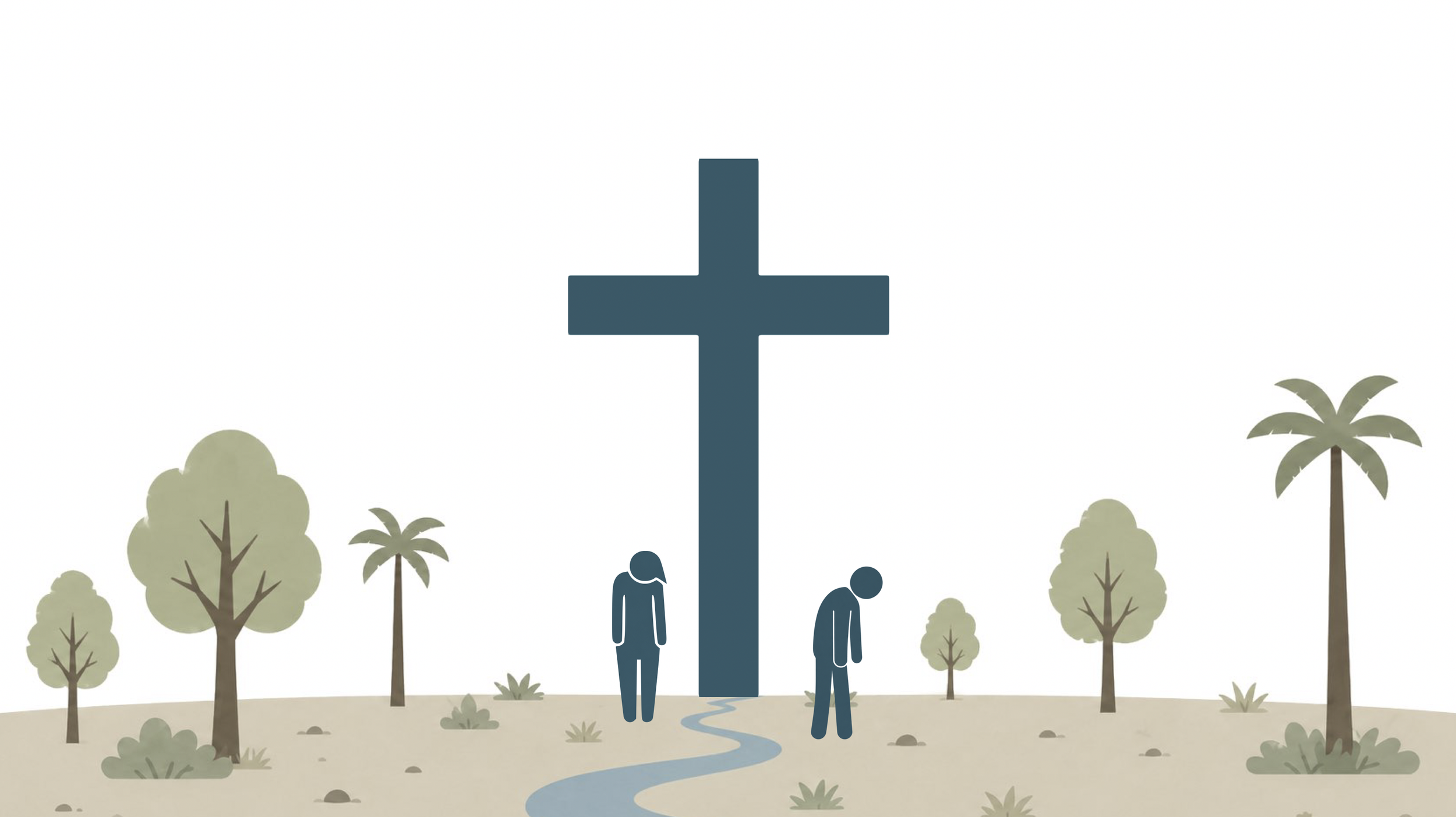
IV. How Humanity’s Fall Reshapes Our Mission
The deeper we understand what the Fall has ruined, the more clearly we will understand the gospel we proclaim, the salvation we need, and the mission God has given us.
A. How it reshapes our understanding of the gospel
Humanity’s fall into sin is meant to reshape not only how we understand the gospel, but also how we experience and proclaim it.
After telling people the good news that God created them in love for a relationship with himself and a place in his purposes for the world, we must tell them the bad news: humanity has rebelled against God, leaving us with a condemned standing, a corrupt heart, and a broken world.
Our problem is therefore deeper than a bad record that needs forgiveness. We also have corrupt, idolatrous hearts that need to be made new.
This is why Peter promises those who repent and turn to Christ both “the forgiveness of your sins” and “the gift of the Holy Spirit” (Acts 2:38).[7] The gospel promises not only a new standing before God, but also a new heart from God.
The old hymn “Rock of Ages” calls this the “double cure”: deliverance from both sin’s guilt and its power.
So when we call people to “repent and believe in the gospel” (Mark 1:15), we are calling them to turn from idols to the living God. Repentance pulls our heart affections away from created things we have made ultimate; faith redirects those affections toward the risen and ascended Christ.
The gospel therefore addresses both dimensions of our fallen condition: guilty people need forgiveness, and idolatrous people need new hearts.
B. How it reshapes our understanding of salvation
Given what the Fall actually did to humanity and the world, what kind of salvation do we need?
Our understanding of the Fall determines our understanding of salvation.
If sin has corrupted only our record before God, then salvation would need only to change our record. But the Fall has done far more. It has left us condemned, corrupted, alienated from God, broken in our relationships, and living in a world under the curse.
So God’s salvation must be as comprehensive as the ruin sin has caused.
Because we have a condemned standing, we need forgiveness through Christ’s blood and justification—the gift of his righteousness and a new standing of acceptance before God.
Because we have corrupt, idolatrous hearts, we need regeneration and sanctification—new hearts made alive by the indwelling Spirit and increasingly freed from sin’s power.
Because we are alienated from God, we need reconciliation—a restored relationship with the One for whom we were created.
Because that alienation has flowed into our relationships with ourselves, others, and creation, salvation must increasingly bring renewal there as well—including our work, vocation, and calling to join God in his mission.
And because creation itself is subject to corruption and death, biblical salvation ultimately reaches toward the restoration of humanity and the world.
A salvation that remedies only part of what the Fall ruined is less than the full biblical vision of salvation. As Herman Bavinck summarized it, “Grace restores nature.” God’s saving grace does not discard his creation; it redeems and restores what sin has ruined.
C. How it reshapes our understanding of God’s mission
The Fall should first heighten our awareness of the reality of spiritual warfare.
Christian mission does not take place on neutral territory. We live and minister in a fallen world where Satan still exercises real, though subordinate, power. Scripture warns that our enemy “prowls around like a roaring lion, seeking someone to devour” (1 Pet. 5:8). Mission therefore involves a real battle against the world, the flesh, and the devil.
Second, we must learn to “put on the whole armor of God” (Eph. 6:11). Paul reminds us that “we do not wrestle against flesh and blood,” and names the armor God provides: truth, righteousness, the gospel of peace, faith, salvation, and the word of God. These are not merely doctrines to understand, but realities we must depend on as we participate in God’s mission.
Paul then concludes by calling us to pray “at all times in the Spirit” (Eph. 6:18).
God’s sovereignty should never weaken our expectation that prayer changes things. The sovereign God ordains both the ends of his mission and the means—including the prayers of his people.
This is why prayer for world missions should never be relegated to a handful of faithful older Christians. We need younger generations learning what Jack Miller called frontline kingdom prayers—bold, expectant prayers for God’s kingdom to advance against the powers of darkness.[8]
William Carey captured that spirit: “Expect great things from God. Attempt great things for God.” John Piper gives us a memorable picture in Let the Nations Be Glad: prayer should function more like a wartime walkie-talkie than a domestic intercom. It is given to call for the direction, power, and resources needed for Christ’s kingdom to advance in a real spiritual war.
If we truly believe that, prayer will not be peripheral to mission. Prayer will be on the front line.
Conclusion: God’s Mission Continues After the Fall
Act Two shows us why things are not the way they are supposed to be.
Humanity’s rebellion left us with a condemned standing and corrupt, idolatrous hearts. It brought God’s good world under the curse and Satan’s subordinate rule, and it distorted humanity’s original mission toward self-glory and rival kingdoms.
Yet the Father did not abandon his people, his world, or his mission.
Instead, the Fall made a new redemptive mission necessary—one that would rescue and restore fallen humanity and creation so that God’s original mission he gave at creation could continue.
And that is where the next act will begin.
Act Three will reveal the greatest rescue in the history of the world: the Father sends his Son to rescue and restore his fallen people to himself and to reclaim his fallen world by defeating Satan, its tyrannical ruler, and beginning to restore all that sin has ruined.
That act begins with an astonishing promise embedded in God’s curse on the serpent—a promise pointing forward to the magnificent acts of the Son in redemption.
The next act has rightly been called “the greatest story ever told.”
FOOTNOTES
[1] Gen. 3:1–7. For further discussion, see Steve Childers, “All Things New (Act 1): Creation – The Way Things Are Supposed to Be,” Pathway Learning Blog, Pathway Learning, April 17, 2026, and Steve Childers, “All Things New (Act 2): The Fall – The Way Things Are Not Supposed to Be,” Pathway Learning Blog, Pathway Learning, April 20, 2017, https://www.pathwaylearning.org/search?q=All+Things+New.
[2] Although God is a loving and merciful Father, he is also a perfectly holy and righteous Judge. He cannot remain neutral toward evil or treat rebellion as though it does not matter. Humanity now stands guilty before God’s heavenly court, condemned under his just curse and separated from his loving presence. See Exodus 34:6–7 and Romans 1:18; 3:19–20; 5:12–19. The Westminster Confession of Faith describes Adam and Eve as becoming “dead in sin, and wholly defiled in all the parts and faculties of soul and body,” with the guilt of their sin imputed to their descendants (1646; repr., Lawrenceville, GA: Confessional Publications, 2018), 6.2–3.
[3] An idol is anything or anyone we look to as our ultimate source of happiness, identity, security, or significance apart from God. Approval, success, comfort, control, pleasure, power, possessions, money, and relationships are good gifts. But when we cherish these gifts above the Giver, our loves become disordered and our hearts turn away from God. Jesus teaches that our outward sins arise “from within, out of the heart of man” (Mark 7:21; See Jer. 2:11–13; Mark 7:20–23; Rom. 1:21–25; Eph. 2:1–3). The corrupt heart is “dead to God, enslaved to idols,” with disordered loves producing lives of disobedience.
[4] This “polluted river” image and relational sequence appear explicitly in Steve Childers, “Amazing Grace, Part One” (sermon, Grace Fellowship, May 7, 2023), and in Mission Course, lesson 3, “Primary Sources.” On the inseparable knowledge of God and self, see John Calvin, Institutes of the Christian Religion, 1.1.
[5] Cornelius Plantinga Jr. describes sin as the “vandalism of shalom”—the culpable disruption of the peace, wholeness, justice, and flourishing God intended for humanity and creation. See Cornelius Plantinga Jr., Not the Way It’s Supposed to Be: A Breviary of Sin (Eerdmans, 1995), 10–16.
[6] See Gen. 3:16–19; Rom. 5:12; 8:18–25; 1 Cor. 15:21–22. Creation’s subjection to futility is joined to humanity’s fall and will be overcome when creation shares “the freedom of the glory of the children of God” (Rom. 8:21).
[7] God’s new-covenant promises join forgiveness with inner renewal through the Spirit (Jer. 31:31–34; Ezek. 36:26–27). Peter proclaims these two gifts together at Pentecost: “the forgiveness of your sins” and “the gift of the Holy Spirit” (Acts 2:38). See also Gospel in Theology by Steven Childers and John Frame, where these promises are summarized as a new standing and a new heart.
[8] William Carey captured that spirit: “Expect great things from God. Attempt great things for God.” John Piper gives us a memorable picture in Let the Nations Be Glad: prayer should function more like a wartime walkie-talkie than a domestic intercom. It is given to call for the direction, power, and resources needed for Christ’s kingdom to advance in a real spiritual war.

We provide resources to help leaders
plant, grow, and multiply healthy churches worldwide.