Biblical Perspective of Worship
The First and Second Commandments
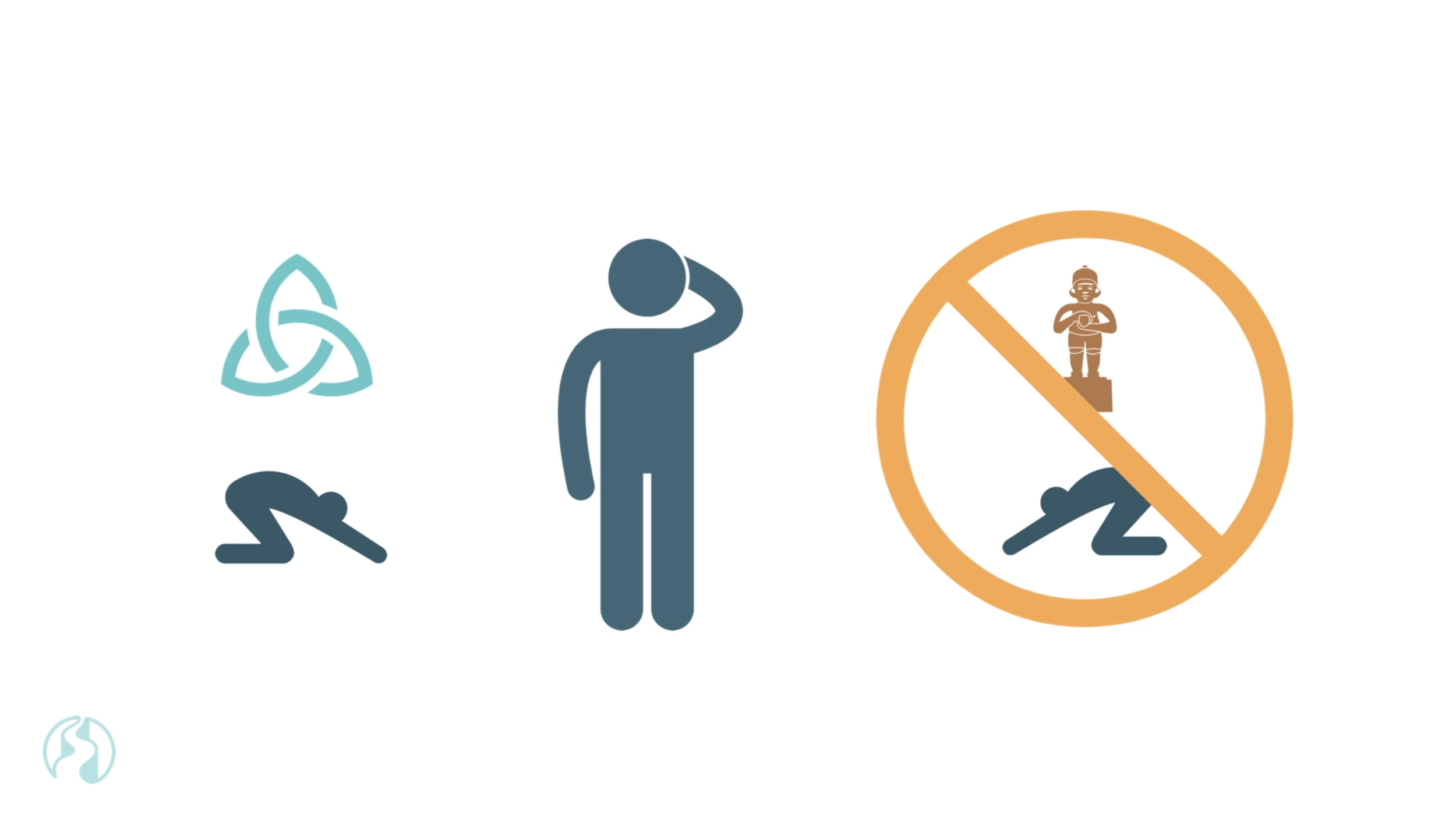
Most people know about the Ten Commandments, but most people don't understand the difference between the first and second commandments. The first commandment is: "You shall have no other gods before me." And the second commandment is: "You shall not make for yourself a carved image."
Aren't these two commandments telling us basically the same thing — that we are only to worship the one true God and not worship idols? The answer is no. These are very different commandments. The first commandment clearly rules out worshipping a false god, but the second commandment addresses a different issue: it forbids the worship of the one true God in a false way, through the use of images.
Soon after God gave the Ten Commandments, Aaron the high priest was guilty of violating the second commandment by making a golden calf for Israel's worship. Aaron told the people to use the golden calf to worship the Lord — the God who brought them out of the land of Egypt. Aaron did not tell Israel to worship other gods, but to worship the one true God, Lord Yahweh, in a false way. Likewise, when most people throughout history use graven images to worship God, they're not usually worshiping the graven image, but the God the image represents.
So the second commandment calls us to worship the one and only true God only as he commands us to worship him.
How Are We to Worship God?
This raises the question: how are we to worship God? We can invent all kinds of interesting ways we think God should be worshipped, but in the Bible, God tells us what pleases and honors him in worship.
The understanding of the sufficiency of Scripture alone — Sola Scriptura — and not church traditions, to direct our worship, helped spark the flame of the Reformation. The application of the principle of Sola Scriptura to worship is called the regulative principle. The Westminster Confession states:
"The acceptable way of worshiping the true God is instituted by himself, and so limited by his own revealed will, that he may not be worshipped according to the imagination and devices of men, or the suggestions of Satan, under any visible representation, or any other way not prescribed in the Holy Scripture."
The Regulative Principle
The regulative principle teaches that everything we do in worship must be biblical. This means it must be prescribed, warranted, and required by Scripture through explicit commands, approved examples, or theological inference. Some examples include:
The object of worship — the first commandment: no other gods
The way of worship — the second commandment: no graven images of God
The focus of worship — the third commandment: honor the name
The day of worship — the fourth commandment: honor the Sabbath
Prayer and lifting up hands
Teaching Scripture and reading Scripture
Observing the Lord's Supper
Singing Psalms, hymns, and spiritual songs
Offering tithes and gifts
Properly exercising tongues, prophecy, and interpretation
Encouraging one another
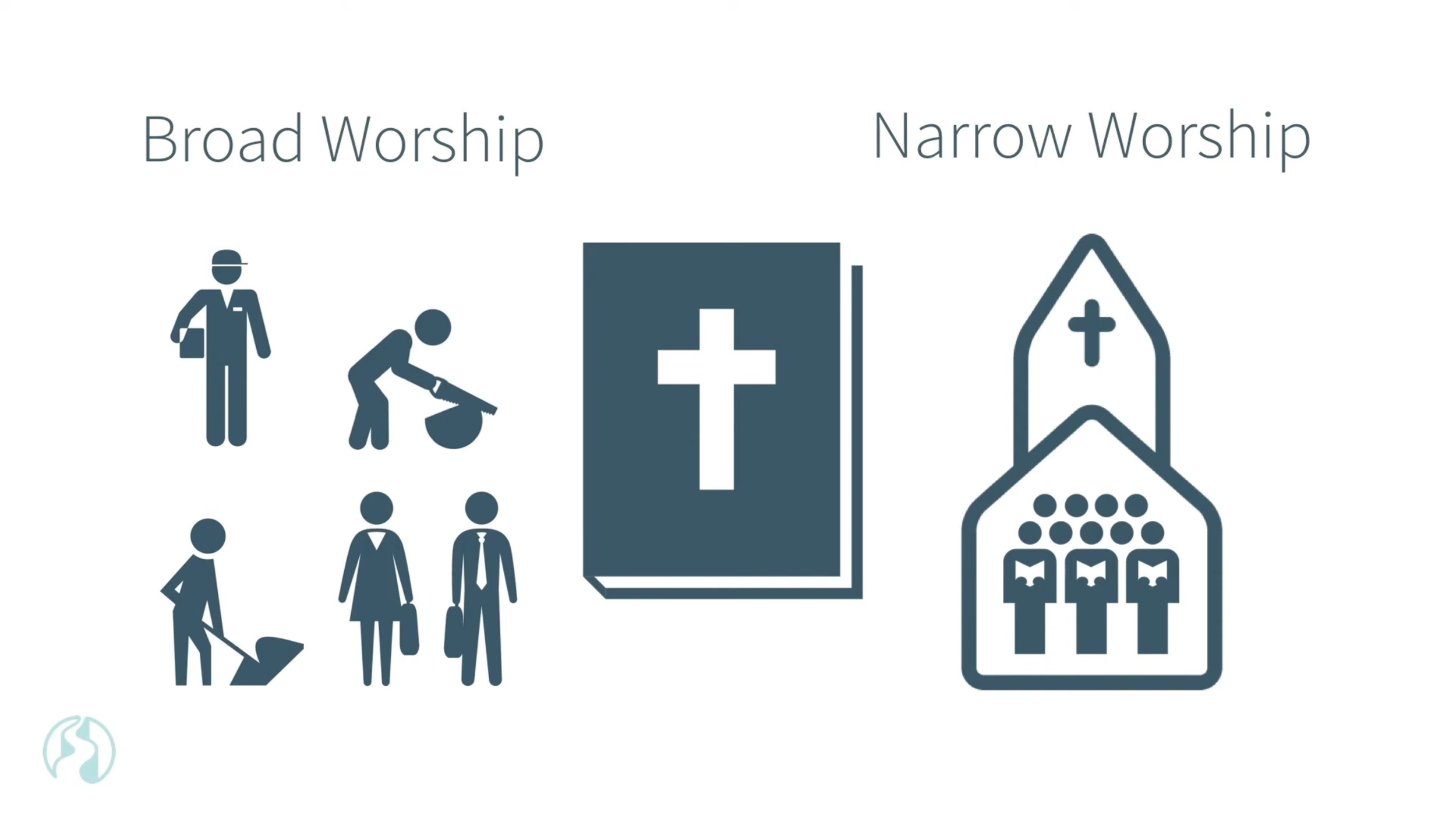
Just as we are to worship God in all of life according to the rule of Scripture, so we are to worship God in our public worship services in obedience to God's Word.
The Limits of the Regulative Principle
The regulative principle helps protect the church from improper and unbiblical practices in worship. However, it doesn't answer all our questions about how to apply biblical principles in worship, particularly in our own time. Consequently, the regulative principle should not be used to determine whether traditional or contemporary songs should be used in worship, or whether the Lord's Supper should be observed with real wine or grape juice.
What is often neglected in these discussions is the important role of the sufficiency of Scripture — Sola Scriptura — and the principle of conscience. We must be on our guard against clergy and Bible scholars who use their expertise in theology to teach for or against certain elements in worship that cannot be clearly affirmed or denied by the plain meaning of Scripture.
Conscience Captive to the Word of God
So what is the proper response to church leaders who accuse you of displeasing God if you don't worship according to their practices, when you can't see these practices condemned or required in the Bible? The victims of such bullying should embrace the words of Martin Luther:
"Unless I am convicted by Scripture and plain reason, I do not accept the authority of popes and councils, for they have contradicted each other. My conscience is captive to the Word of God."