
BY Steven L. Childers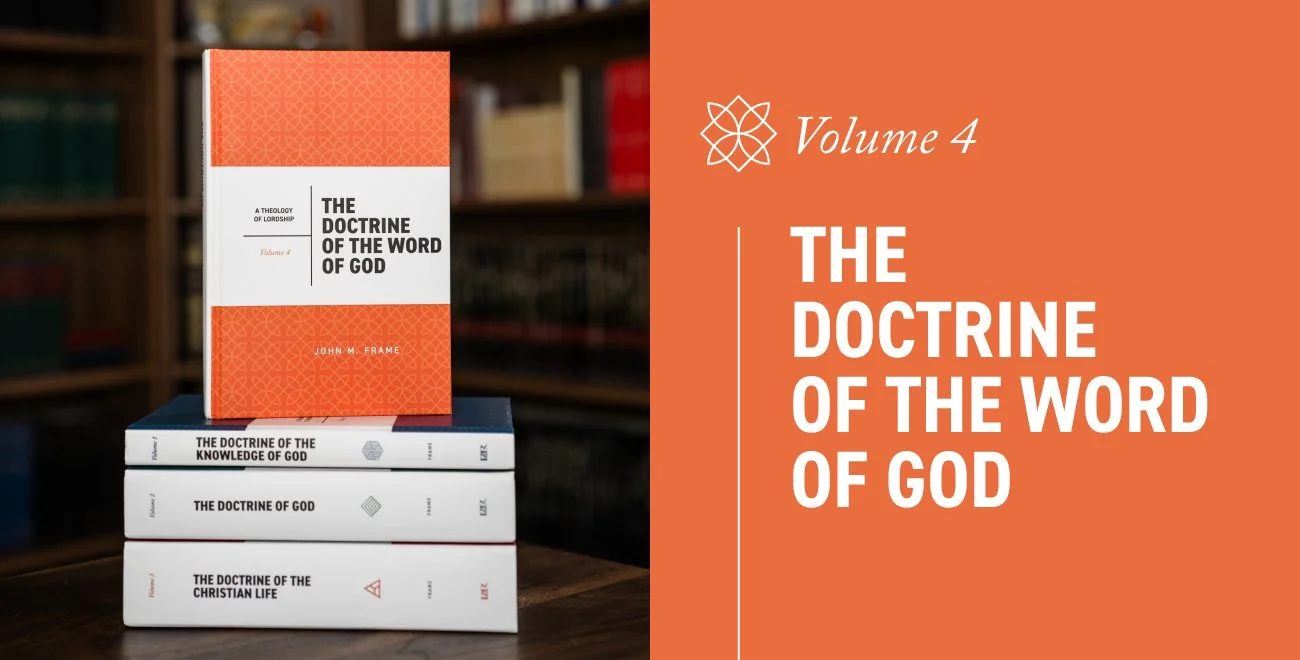
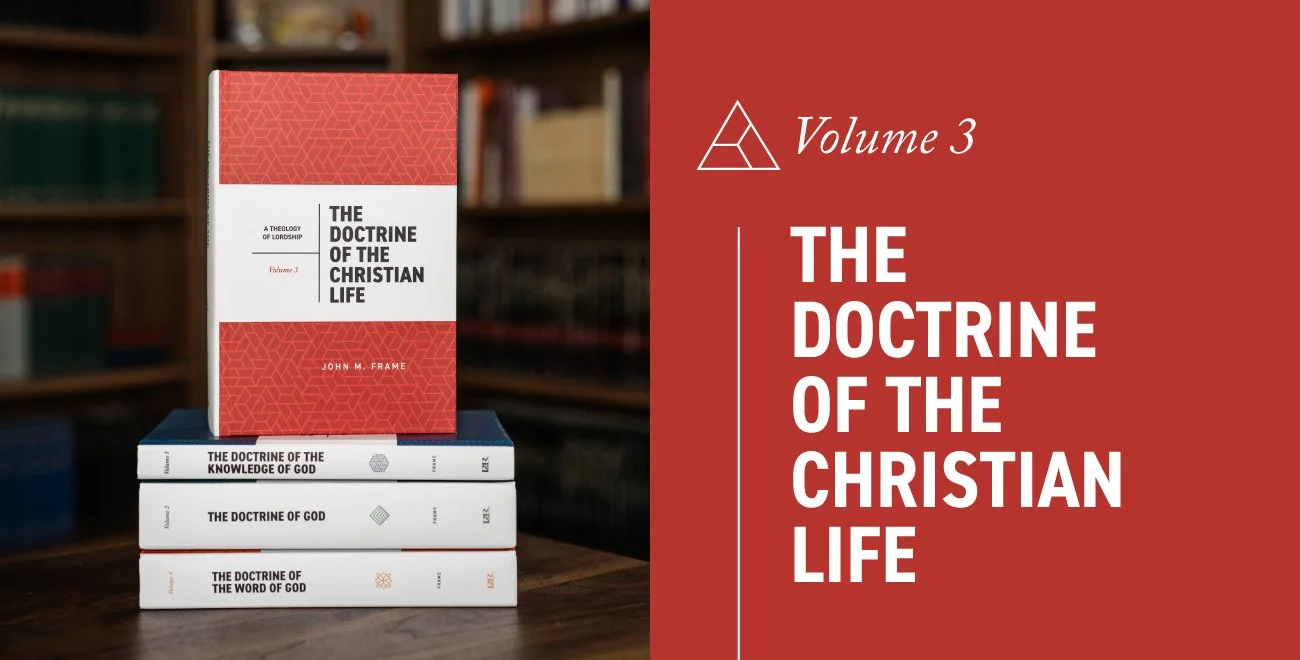
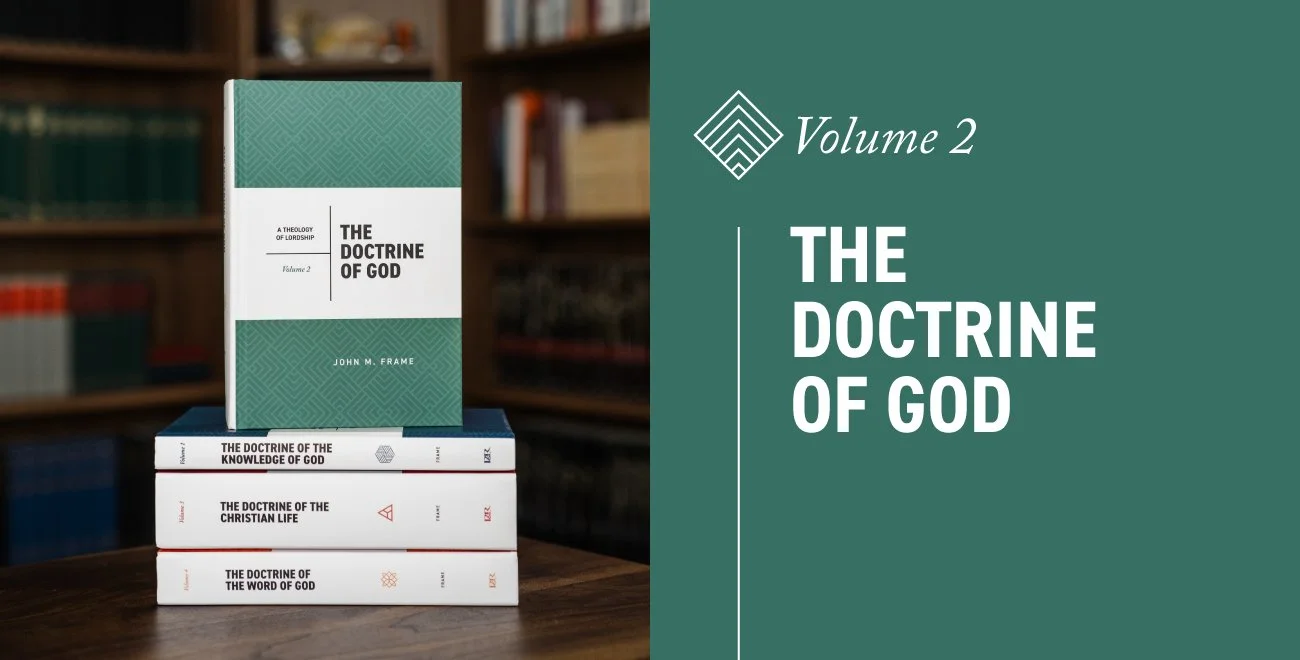
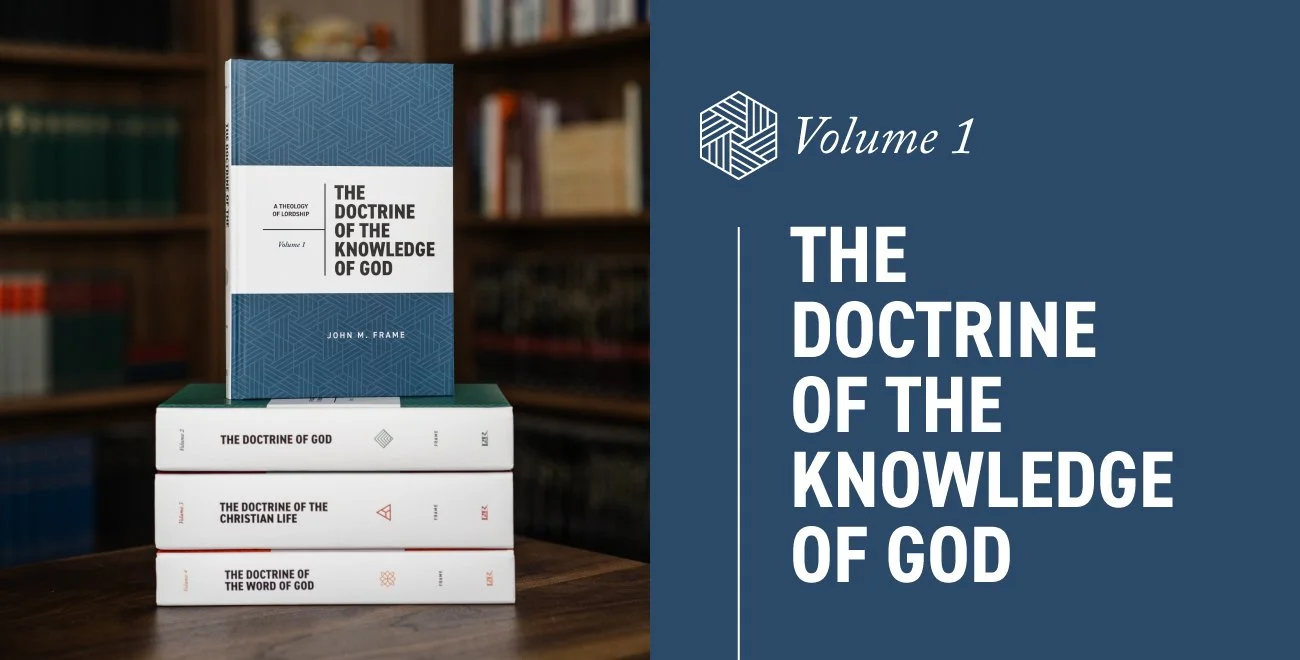
Few theologians have demonstrated as powerfully as John Frame how the lordship of Christ transforms not only what we believe, but how we think, worship, live, and serve. His landmark four-volume Theology of Lordship series offers a profoundly biblical, practical, and life-changing vision of Reformed theology. In this article, Steven Childers explores what makes Frame’s approach so distinctive and why these remarkable volumes are an invaluable resource for pastors, students, and all who desire to know God more deeply and live more faithfully for his glory.
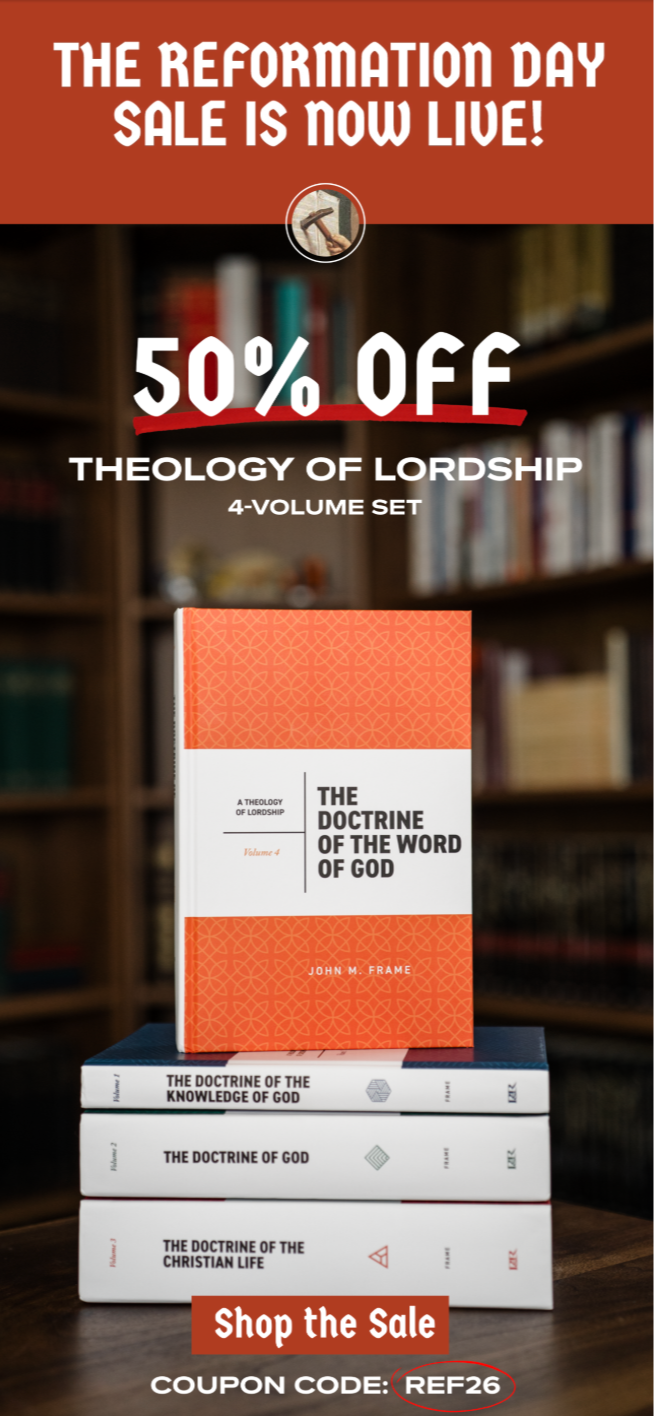
Celebrate Reformation Day with P&R Publishing’s newly reissued four-volume Theology of Lordship series—now 50% OFF with code REF26. Discover the riches of this extraordinary theological resource!
AbstractThis article explores the enduring theological and pastoral significance of John Frame’s four-volume Theology of Lordship series in light of its recent reissue by P&R Publishing. Situating Frame within the Great Tradition and the Reformed lineage, the article highlights his distinctive contribution: a vision of theology as the faithful application of God’s word to every sphere of life under the lordship of the triune God. Special attention is given to The Doctrine of the Knowledge of God as the essential entryway into Frame’s theological method, as well as to his “winsomely Reformed” posture that is marked by conviction, charity, and contextual wisdom. Written for pastors, seminarians, and academically minded readers, the essay argues that the Theology of Lordship series continues to offer the church a unifying framework in which doctrine, life, and mission belong together—providing timely guidance for faithful ministry in a fragmented theological landscape.
A Life’s Work Reissued for the Church P&R’s newly retypeset edition of John Frame’s Theology of Lordship series represents a significant service to the church. For more than five decades, Frame has been among the most influential Reformed theologians and Christian philosophers of his generation, and this series stands at the center of his life’s work. Across these volumes, theology is presented not as a detached academic discipline, but as the faithful application of God’s word to every sphere of human experience under the lordship of the triune God.
Only a small number of theologians have successfully combined intellectual rigor, biblical faithfulness, and pastoral usefulness in a way that genuinely serves both the academy and the church. Within the Reformed tradition, figures such as Calvin, Edwards, Warfield, and Bavinck readily come to mind. John Frame stands firmly within this lineage—not as a mere custodian of inherited insights, but as a theologian who has labored to bring the riches of that tradition to bear on the concrete realities of contemporary Christian life and ministry.
The reissue of the Theology of Lordship series arrives at a fitting moment. With fresh typography, reader-friendly design, and helpful new indices, these volumes are now more accessible than ever to pastors, students, and serious readers of theology. What is offered here is a renewed invitation to engage a theological vision that continues to shape church leaders across diverse contexts.
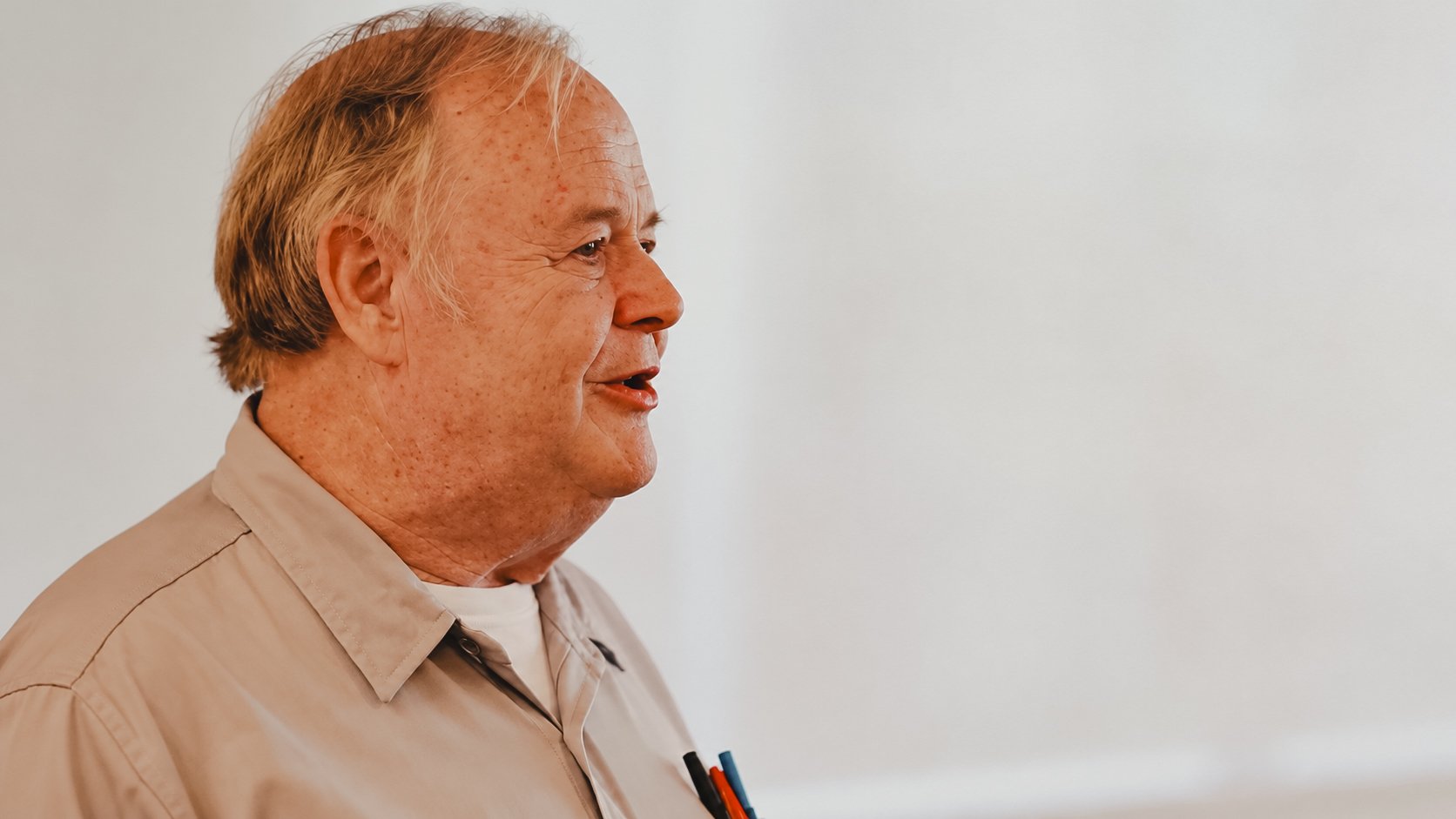
Who John Frame Is
—and Why SHOULD Church Leaders Listen?
John M. Frame is a theologian whose vocation has been shaped by both rigorous academic formation and sustained service to the church. Educated at Princeton University, Westminster Theological Seminary, and Yale University, Frame was trained within demanding intellectual environments. Yet his career has never been defined by scholarship alone. Over more than three decades on the faculty of Westminster Theological Seminary, followed by his years at Reformed Theological Seminary in Orlando, he devoted himself to forming pastors and church leaders for faithful ministry under the authority of Scripture.
Frame’s work is marked not only by depth of scholarship but by unusual breadth. His writings span systematic theology, apologetics, ethics, and philosophy, while also engaging worship, music, film, and other forms of cultural expression. This breadth reflects a pastoral conviction: the lordship of Christ addresses not only what Christians believe, but how they worship, communicate, and live in the world.
What has made Frame especially influential among church leaders is his refusal to separate theology from life. He writes not as a detached observer, but as a teacher attentive to the realities of ministry. As he has often said, and as his work consistently demonstrates, “theology is application.” For this reason, pastors and scholars alike have found him a trustworthy guide whose theological clarity serves the church’s life and mission.
Theology of Lordship:
Theology as Application under the Triune God
At the heart of the Theology of Lordship series lies a governing conviction: theology is the life-giving application of God’s word to every sphere of human experience. Theology, for Frame, is not an abstract system meant only for intellectual mastery. It is God addressing his people through Scripture and calling them to faithful belief, worship, and obedience under his gracious reign.
This conviction explains why the series consistently presses doctrinal reflection into the daily life of the church. Frame shows how theology shapes worship that is reverent and joyful, evangelism confident in God’s sovereign grace, discipleship oriented toward maturity, church planting rooted in the gospel rather than technique, and missions directed toward God’s glory rather than institutional success. Doctrine, in each case, serves faithful practice.
Underlying this pastoral vision is a biblical understanding of divine lordship. God rules with supreme authority, exercises sovereign control over all things, and remains personally present with his people. These emphases are not technical abstractions, but confessional affirmations drawn from Scripture. Together they testify that the triune God claims every dimension of human life as his own and governs it for redemptive purposes.
Taken as a whole, the Theology of Lordship series offers the church a unifying vision in which doctrine, life, and mission belong together. Knowing God cannot be separated from loving him, obeying him, and bearing witness to him in the world.
The Essential Entryway:
The Doctrine of the Knowledge of God
Among the volumes in the series, The Doctrine of the Knowledge of God stands as the essential entryway into Frame’s theological vision. Here he addresses a foundational question: how do we know God, and how does that knowledge shape faithful life and ministry?
Frame explains that genuine knowledge involves the integration of three inseparable perspectives. The normative perspective centers on God’s authoritative word. The situational perspective attends to the world God has made and governs. The existential perspective considers the human knower—our hearts, consciences, and personal responses to God. Frame illustrates this structure pastorally by relating it to Christ’s offices as Prophet, King, and Priest: Christ speaks God’s truth authoritatively, rules sovereignly over all things, and draws his people near through redemptive presence.
By refusing to reduce knowledge to a single abstract standpoint, this approach resists the fragmentation that has long troubled theology and philosophy. It guards against separating truth from life, doctrine from context, or belief from personal commitment.
For pastors and church leaders, these concerns are far from theoretical. How one understands knowledge shapes preaching, counseling, leadership, and discernment. This volume equips leaders to handle Scripture faithfully, engage complex situations wisely, and shepherd people compassionately.
Rooted in the Great Tradition
—Yet Distinctively Reformational
Frame’s Theology of Lordship series stands firmly within the Great Tradition of the Christian church. His work draws deeply from figures such as Athanasius, Augustine, Anselm, and Aquinas, whose theological reflection shaped the church for centuries. These voices are treated not as historical artifacts, but as enduring conversation partners read through a biblical lens.
At the same time, Frame’s theology is unmistakably Reformational. The series reflects the recoveries of Luther and Calvin, the pastoral refinements of the English Puritans, and later Reformed developments, particularly the Dutch Calvinism of Abraham Kuyper and Herman Bavinck and the Princeton tradition of Charles Hodge, B. B. Warfield, and J. Gresham Machen. Frame writes, “I yield to no one in admiration of three brilliant and godly men, friends of one another, who set the highest standards for Reformed theology in the 1900s: B. B. Warfield, Abraham Kuyper, and Herman Bavinck.”
What distinguishes the Theology of Lordship is the way it gathers these streams into a unified vision, bringing the wisdom of the Great Tradition and the Reformers to bear on the church’s calling to live faithfully under God’s reign.
“Winsomely Reformed”:
Courage, Charity, and Contextual Wisdom
Those who attempt to categorize John Frame often find him difficult to place. Some theologians emphasize evangelical breadth; others stress Reformed precision. Frame fits neatly into neither pattern. Instead, he exemplifies what may be described as a “winsomely Reformed” posture—holding firmly to Reformed convictions while exercising pastoral wisdom about emphasis and context.
This discernment explains why Frame’s work can unsettle critics on opposite sides. In some settings, he speaks clearly about distinctively Reformed commitments; in others, he foregrounds shared evangelical convictions. This is not the result of compromise, but of confidence in Scripture coupled with concern for the church’s mission.
In a theological climate marked by polarization, Frame’s approach offers a compelling alternative. His work demonstrates that faithfulness and generosity need not be opposed, and that contextual wisdom can serve the unity and witness of Christ’s church.
The Lordship Series and the Church Today The Theology of Lordship speaks with particular relevance to contemporary challenges facing the church. In recent decades, Reformed and evangelical communities have often gravitated toward distorted views of worship, evangelism, church, and culture—either minimizing Scripture’s authority in the name of relevance or retreating into isolation that neglects public witness.
Yet there is also reason for hope. God is raising up pastors and church leaders hungry for a robust, biblically grounded Reformed theology that speaks to both belief and practice. Many are discovering that the categories articulated in the Theology of Lordship provide a steady compass in a confused theological landscape.
Later developments in applied and explicitly Trinitarian theology grow organically from the vision set forth in these volumes. They do not replace the Lordship framework but build upon its central insight: theology must always be accountable to Scripture and oriented toward obedient life under God’s reign.
Conclusion: Knowing and
Following the Living Lord
The reissue of John Frame’s Theology of Lordship series offers the church a renewed opportunity to engage an enduring theological vision. With improved accessibility and careful presentation, these volumes are well positioned to serve a new generation of pastors, students, and teachers.
Frame’s work consistently reminds the church that sound theology is never an end in itself, but a servant of faithful worship, obedient discipleship, and courageous witness. These volumes invite readers not merely to admire a theological achievement, but to enter a way of thinking and living that unites doctrine, life, and mission under the lordship of Christ.


Take a deeper look at how the Triune God works in creation, redemption, and restoration. This week’s Lordship Catechism sample opens the Scriptures for everyday life.